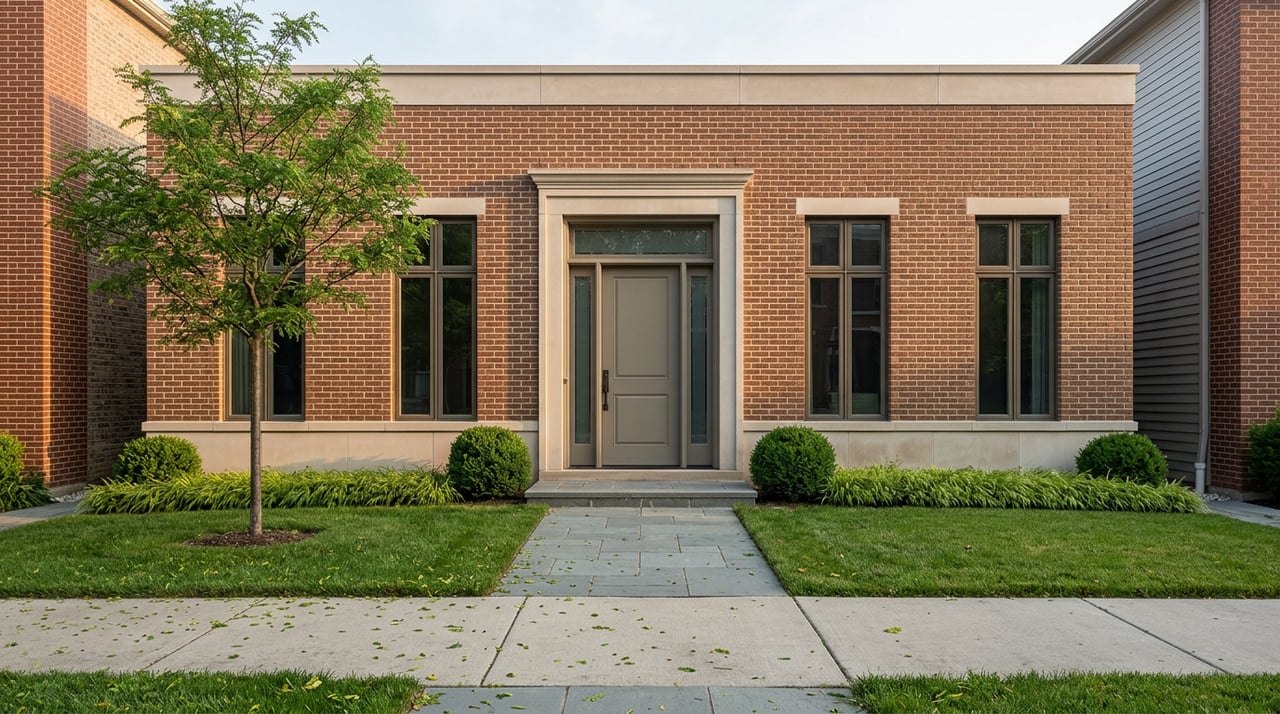
If you are looking for a Chicago value-add play where small multifamily is the main housing type, East Garfield Park deserves a closer look. This is not a submarket where a loose pro forma or an aggressive flip mindset usually wins. If you want to invest in a 2-flat, 3-flat, or 4-unit building here, you need realistic rent expectations, disciplined rehab planning, and a clear path to stabilization. Let’s dive in.
Why East Garfield Park Stands Out
East Garfield Park is a West Side Chicago community area with 20,526 residents and 7,737 households, according to CMAP’s community data snapshot. The neighborhood is heavily renter-occupied at 71.4%, with a 12.3% vacancy rate, which means rental demand is important here, but so is careful underwriting.
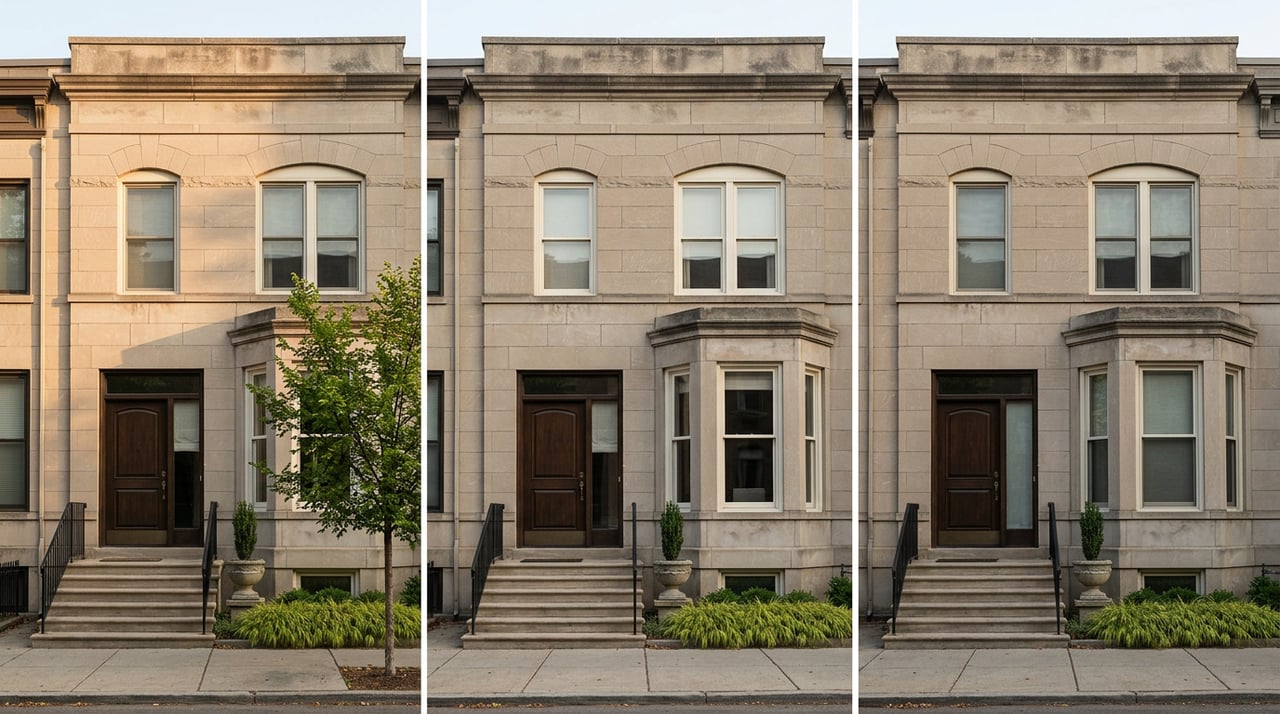
The housing stock also tells a clear story. CMAP reports that 49.5% of units were built before 1940, the median year built is 1941, and 48.9% of housing units are in 2- to 4-unit buildings. In practical terms, that makes East Garfield Park a natural fit for investors focused on small multifamily rather than large apartment projects.
Why Value-Add Works Here
In East Garfield Park, value-add investing is often less about dramatic repositioning and more about improving existing buildings thoughtfully. Population was essentially flat from 2010 to 2023, and CMAP shows lower per-capita income and higher unemployment than citywide averages. That means rent growth assumptions should stay grounded in what local renters can actually support.
For many investors, the most realistic path is to improve operations and building condition without overbuilding the finish level. In this kind of submarket, value often comes from:
- Unit turns
- Cosmetic updates
- Utility separation where feasible
- Exterior stabilization
- Mechanical improvements
- Better leasing presentation
That is a very different strategy from buying a distressed building and assuming top-of-market luxury rents after a heavy renovation.
Know the Rent Range Before You Bid
One of the biggest mistakes in value-add underwriting is anchoring to a single rent source. In East Garfield Park, the available data suggests you should think in ranges, not absolutes.
Recent published snapshots vary quite a bit:
- RentCafe lists East Garfield Park average rent at $1,420
- Apartments.com shows average asking rents of $1,060 for one-bedrooms, $1,177 for two-bedrooms, and $1,708 for three-bedrooms
- Zumper reports a median all-bedroom rent of $1,850, with $1,650 for two-bedroom units
That spread matters. If you are underwriting a renovated 2- to 4-unit property, you should avoid choosing only the highest visible comp and calling it market rent. A safer approach is to test multiple scenarios and ask whether your projected rents still make sense if lease-up takes longer or comparable renovated inventory is limited.
Entry Prices Still Require Discipline
Sales data also points to opportunity, but not certainty. Realtor.com reported a median home sale price of $239,900 in December 2025 with 55 average days on market, while Redfin showed a $305,000 median sale price in March 2026 with 110 days on market.
That kind of variation is a reminder that you need to underwrite conservatively. A deal may still work here, but you should build in room for rehab surprises, lease-up time, and a resale window that may not be especially fast.
Focus on Improvements That Move Value
Because East Garfield Park has an older building base, the best upgrades are often the ones that improve function, safety, durability, and day-one appeal. Cosmetic work matters, but only if the building fundamentals are also addressed.
For many 2- to 4-unit buildings, the most practical value-add improvements include:
- Fresh paint and flooring
- Updated kitchens and baths at a market-appropriate level
- Improved lighting and hardware
- Common-area cleanup and presentation
- Roof, porch, masonry, and exterior repairs
- Mechanical system stabilization
- Utility planning where legally and physically feasible
The goal is not to create the flashiest renovation in the neighborhood. The goal is to create a clean, durable, rentable product that supports believable rents and reduces operational surprises.
Watch for Older-Building Rehab Risks
East Garfield Park’s housing stock can create real upside, but it also creates real rehab risk. With nearly half of housing built before 1940, you should expect older-building issues to show up during due diligence and construction.
One major concern is lead-safe compliance. The EPA’s lead-safe renovation rules are especially relevant because work that disturbs paint in pre-1978 homes can create dangerous lead dust and must be done by certified contractors. If you miss this in your budget, your rehab numbers can move quickly in the wrong direction.
Beyond lead-safe work, investors should be careful not to underbudget for:
- Mechanical replacements
- Masonry repairs
- Roof work
- Porch repairs
- Deferred maintenance hidden behind cosmetic issues
These items may not look exciting in a listing package, but they often determine whether a value-add project actually performs.
Verify Zoning and Legal Units Early
Before you get too far into underwriting, verify what you are actually buying. In Chicago, zoning and use questions are parcel-specific, and the City of Chicago zoning map lets you search by address, PIN, or intersection.
For a small multifamily deal in East Garfield Park, some of the most important questions are simple:
- Is the current unit count legal?
- Is any basement or attic space conforming?
- Do zoning layers or planned development rules affect your plan?
- Are there overlays or other restrictions tied to the parcel?
This matters because a deal that looks attractive on paper can become much less attractive if part of the income depends on a nonconforming unit or unverified layout.
Transportation Access Supports Rental Demand
Location still matters in a value-add strategy, and East Garfield Park benefits from useful transportation access. Apartments.com’s neighborhood overview highlights access to the Blue and Green Lines as well as proximity to I-290.
That does not guarantee premium rents, but it does support the case for renter demand from people who want central-city access at a lower entry point than many closer-in neighborhoods. Recent reinvestment, including the 43-unit Fifth City Commons project that opened in January 2025, also shows that capital continues to flow into the area.
Plan for a Longer Hold
A value-add project here usually works best when you give it time. CBRE notes that a five- to seven-year hold period is a common multifamily underwriting horizon, and that framework makes sense in East Garfield Park.
Why? Because your timeline is not just rehab. You also need time for lease-up, stabilization, possible refinancing, and a resale process that may depend more on cash flow and rent roll quality than on rapid appreciation alone.
If your entire strategy depends on a quick flip, this submarket may not be the best match unless the building is already close to stabilized when you buy it.
Avoid Common Underwriting Mistakes
The best East Garfield Park investors are usually the ones who stay realistic. This neighborhood can offer a compelling value-add story, but only when your assumptions line up with how the local market actually behaves.
Here are some of the biggest mistakes to avoid:
- Underwriting to the highest renovated rent comp you can find
- Ignoring permit history or legal-unit questions
- Assuming cosmetic updates alone will solve major building issues
- Underbudgeting lead-safe work and core building repairs
- Expecting a fast exit in a market with variable days on market
A believable business plan is often more valuable than an ambitious one.
Where a Local Broker Adds Real Value
In a neighborhood like East Garfield Park, broker support matters most before, during, and after the renovation plan takes shape. You need help not only finding a building, but also pressure-testing rents, improvement scope, and future resale positioning.
That is where a design-aware, data-driven approach can make a real difference. Julie Latsko’s work includes guidance on presentation and pre-sale improvements through Compass Concierge, along with support for staging, flooring, painting, and market-ready preparation. For investors working on small multifamily assets, that kind of planning can help you spend more intentionally and present the finished product more effectively.
If you are weighing a 2-flat, 3-flat, or 4-unit opportunity in East Garfield Park, the goal is not just to buy at the right price. It is to create a practical renovation and leasing plan that fits the neighborhood, protects your downside, and supports a clean exit when the time comes. If you want help evaluating value-add opportunities or planning the smartest next steps, connect with Julie Latsko.
FAQs
What rent can a renovated East Garfield Park multi-unit realistically achieve?
- Published rent data varies, so it is best to underwrite using a range. Current sources show East Garfield Park rents from about $1,177 for average two-bedrooms on Apartments.com to $1,650 for median two-bedrooms on Zumper, with broader averages also reported by RentCafe.
What improvements add the most value in East Garfield Park multi-units?
- In many buildings, the most effective improvements are cosmetic updates paired with core stabilization, including kitchens, baths, flooring, paint, lighting, roof work, masonry, porches, and mechanical systems.
How do you verify legal unit count in East Garfield Park?
- Start by reviewing the parcel on the City of Chicago zoning map and confirm whether the existing layout, basement space, attic space, and unit count align with zoning and any parcel-specific rules.
Is East Garfield Park better for flips or longer holds?
- A longer hold is usually more realistic. A five- to seven-year horizon is a common multifamily framework, and local sale timelines suggest stabilization and patient exit planning are often a better fit than a quick flip.
Why use a broker for an East Garfield Park value-add deal?
- A local broker can help you source opportunities, review neighborhood rent ranges, shape an improvement plan, and position the property for resale once the asset is stabilized.