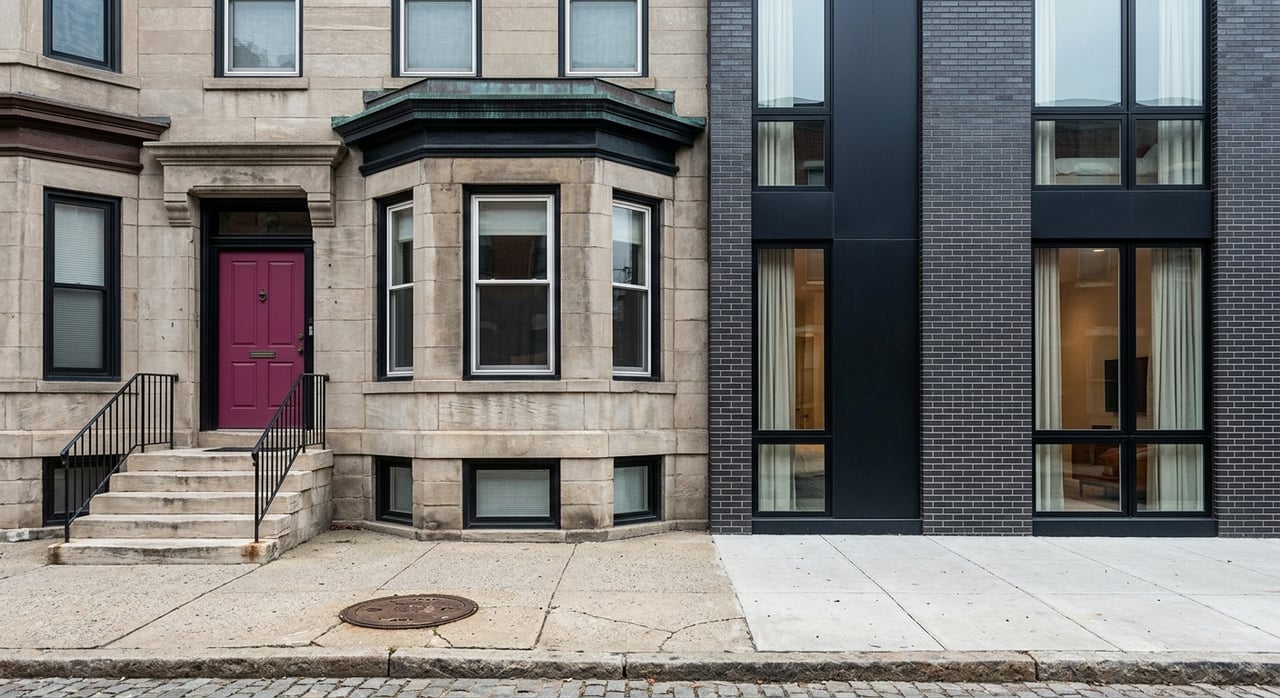
If you are looking at Bronzeville, you are not just shopping for square footage. You are choosing between historic character, modern convenience, and a neighborhood where architecture and redevelopment are both part of the story. For buyers, that can feel exciting and a little complex at the same time. This guide will help you understand the housing mix, where new development is concentrated, and what to compare before you make a move. Let’s dive in.
Why Bronzeville Feels Different
Bronzeville stands apart because its identity is deeply tied to Chicago history. The National Park Service describes the Bronzeville-Black Metropolis National Heritage Area as a place that tells the story of the Great Migration and the Civil Rights Movement, while also recognizing Bronzeville as a major center of business, arts, music, culture, politics, and entrepreneurship.
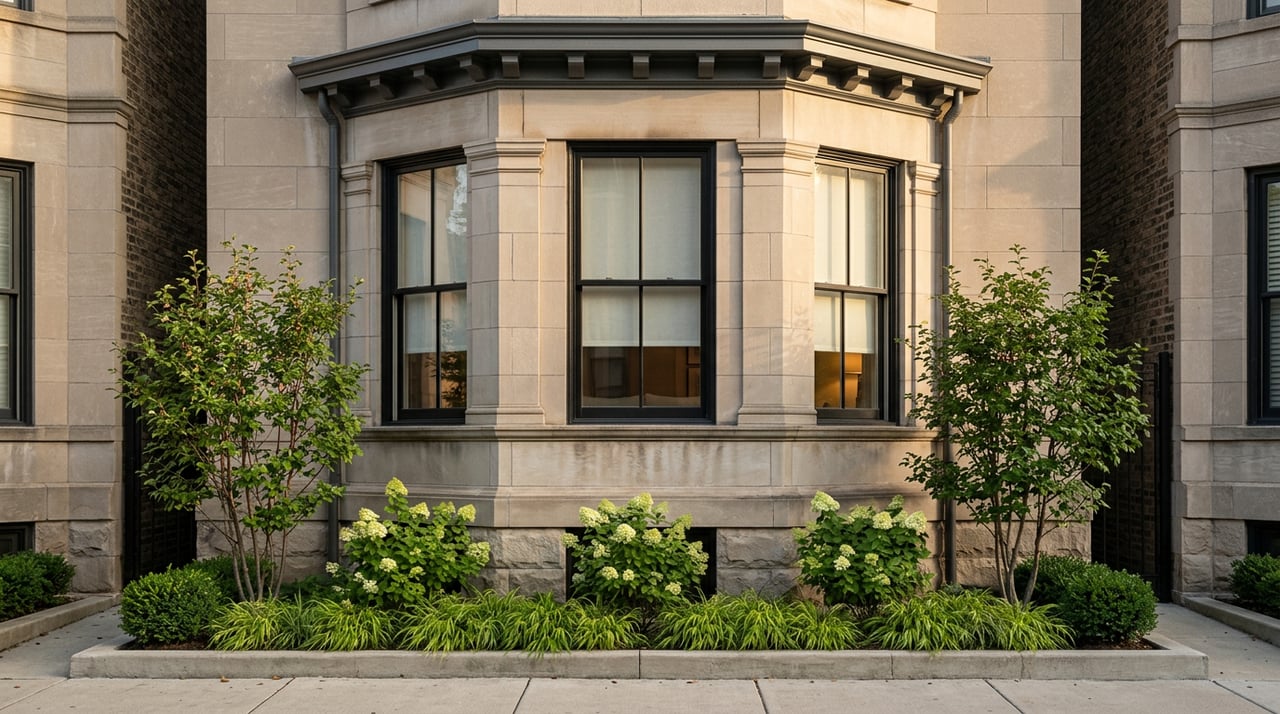
That history still shapes the housing stock you see today. Instead of one dominant building era, Bronzeville offers a layered mix of preserved historic buildings, adaptive reuse projects, renovated masonry homes, and newer infill construction. For you as a buyer, that means the right fit often comes down to lifestyle, maintenance preferences, and how much character or turnkey finish you want.
Bronzeville Homes Buyers Commonly See
Historic flats and greystones
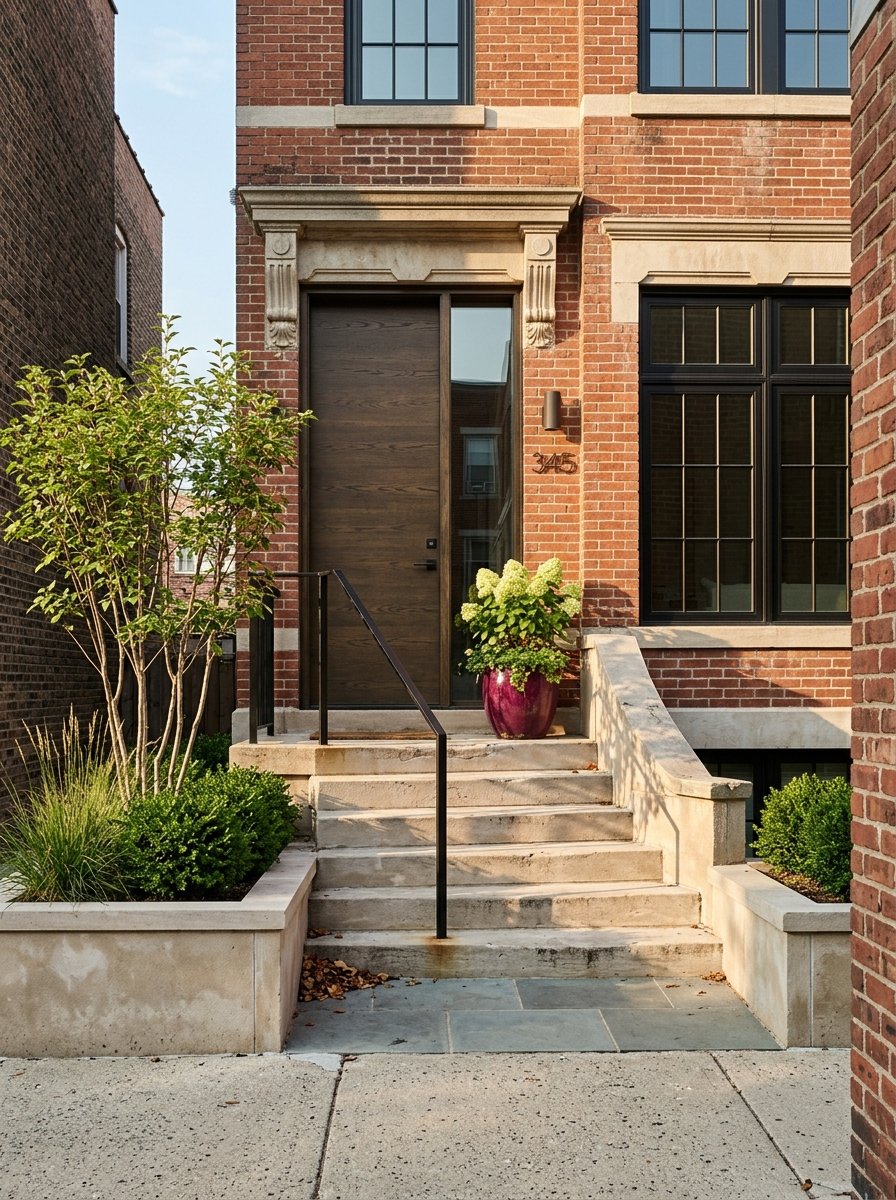
Many buyers in Bronzeville will come across two-flats, three-flats, rowhouses, six-flats, courtyard buildings, and greystones. The Chicago Architecture Center notes that two-flats and similar middle-density buildings make up a major share of Chicago housing and were commonly built from 1900 to 1920, often with brick or greystone facades.
These homes often appeal to buyers who value original masonry, classic proportions, and a stronger sense of architectural detail. In practical terms, they can also come with older systems, more exterior upkeep, and a wider range of renovation quality from one property to the next.
Courtyard buildings and adaptive reuse
Courtyard buildings are another important part of the area’s housing mix. According to the Chicago Architecture Center, these were typically three- to four-story brick buildings arranged around semi-public garden spaces to bring in light and air.
A standout Bronzeville example is Rosenwald Courts. HUD describes it as a 1929 garden-apartment complex that reopened in 2016 as 239 mixed-income units with retail, office space, and a restored courtyard. For buyers, projects like this show how a historic property can be updated for modern living without losing its original architectural identity.
New construction and full renovations
Bronzeville also has a growing share of newer or fully renovated homes. Current listings highlighted on Redfin’s Bronzeville market page show the range, from lower-priced condos to high-end new-construction single-family homes and large historic properties with updated interiors.
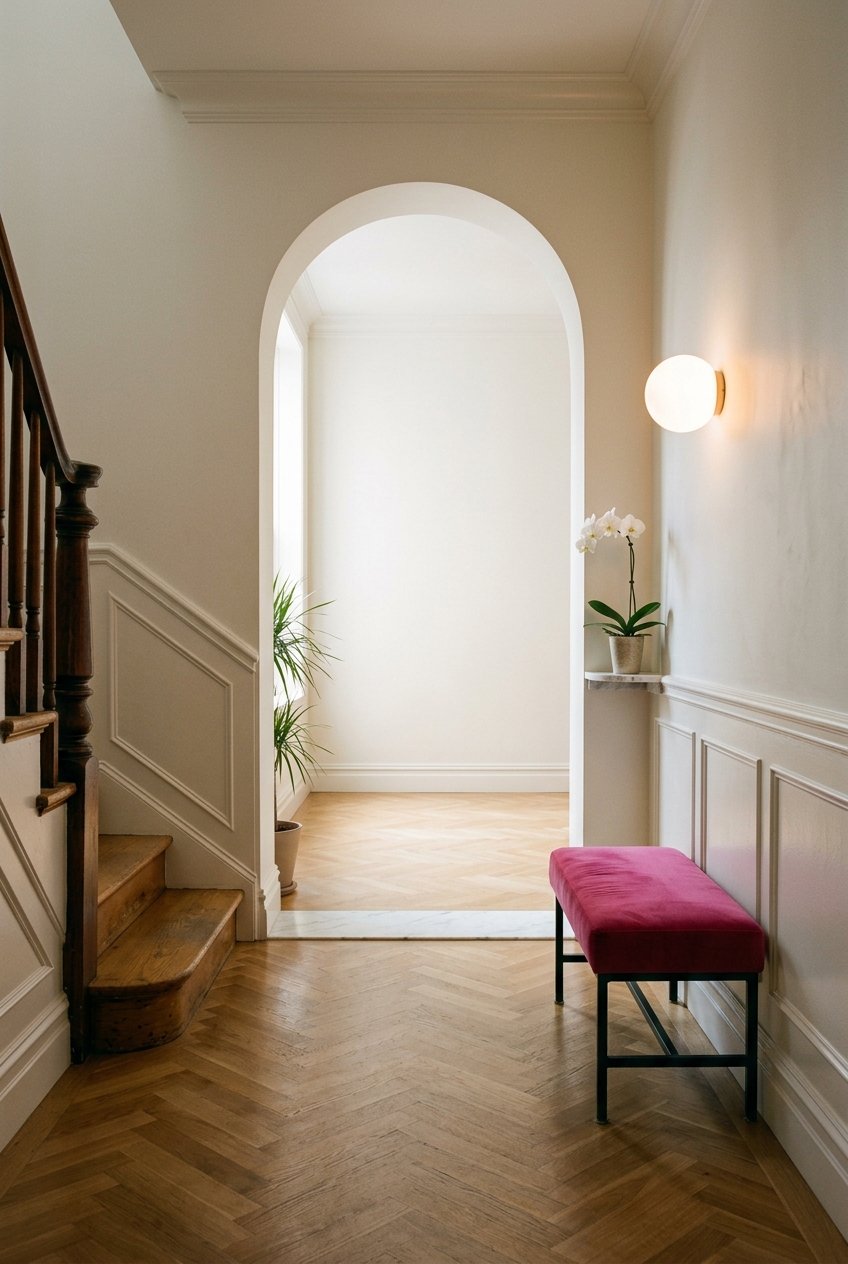
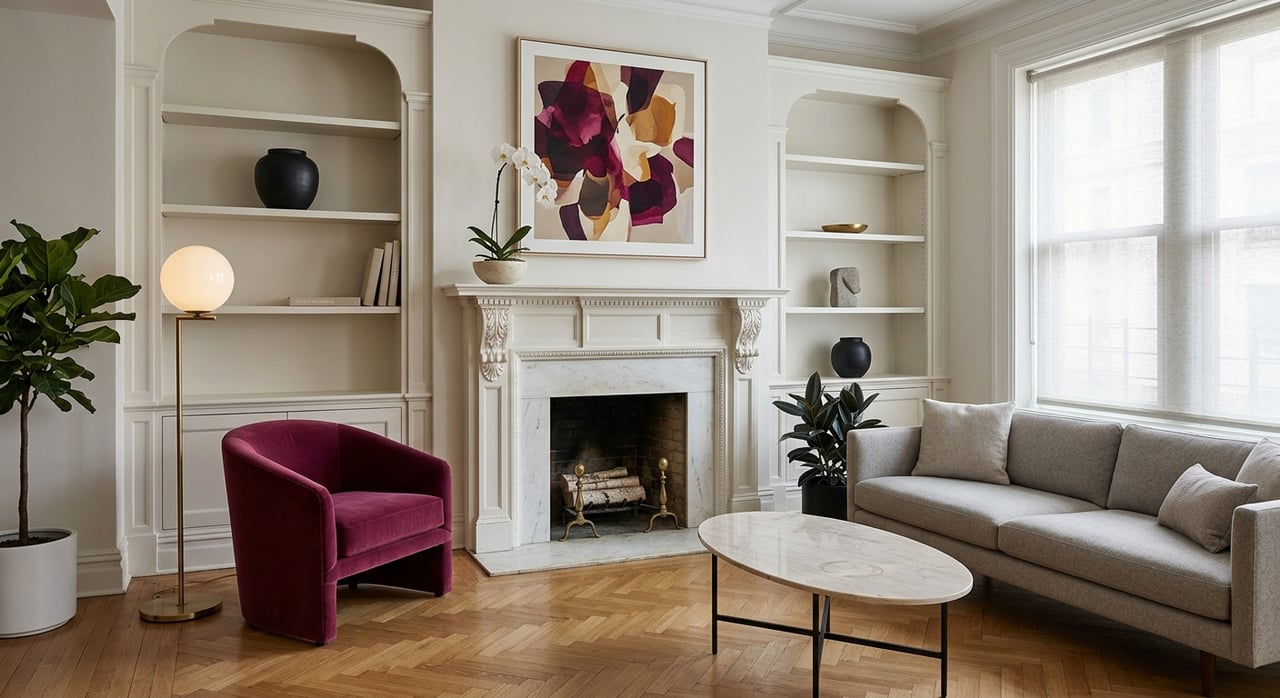
In these homes, you are more likely to see features like open layouts, quartz counters, high ceilings, modern kitchens, and turnkey finishes. That can reduce your upfront project list, but it may also come with a higher price point depending on the size, location, and finish level.
What the Market Looks Like Now
Bronzeville covers a broad price range, which is one reason buyers need to compare carefully. As of February 28, 2026, Zillow reports a typical home value of $286,420 and a median list price of $329,133.
Recent sales tell a similar story with slightly different math. Research cited from Redfin shows a February 2026 median sale price of $320,000, 98 median days on market, and a somewhat competitive market. Put together, those figures suggest that many Bronzeville homes trade in the high-$200,000s to low-$300,000s, while active listings stretch from entry-level condos to homes priced above $1 million.
Where New Development Is Most Visible
State Street corridor
One of the clearest redevelopment zones is the State Street corridor from Cermak Road to Garfield Boulevard. The Chicago Housing Authority’s State Street NOW program is focused on accelerating mixed-income housing and economic development in this stretch.
CHA says the latest phase at Legends South A3 will add 52 apartments and the first retail component at Legends South. The broader community has already reached 841 apartments, including 335 CHA homes. For buyers, this points to continued investment in the corridor and a more mixed housing environment over time.
47th Street corridor
The 47th Street corridor has also been a long-term focus for housing and retail planning. HUD explains that CMAP’s Bronzeville Retail District Land Use Plan targeted development along 47th Street, and Rosenwald Courts was viewed as a catalytic project for the mixed-use corridor.
If you are comparing blocks in Bronzeville, this matters because commercial and housing investment often shape convenience, street activity, and future buyer interest. It does not guarantee value growth, but it does help explain where momentum has been concentrated.
Bronzeville Lakefront
The largest future-facing project in the area is Bronzeville Lakefront on the former Michael Reese site. According to HUD’s case study, this redevelopment is planned as a 48.6-acre, $3.8 billion mixed-use project with mixed-income housing, senior housing, parkland, a medical research and innovation hub, restoration of the Singer Pavilion, and a new Metra station.
For buyers, that scale matters. Large redevelopment projects can reshape how people think about access, amenities, and long-term potential in surrounding areas, especially when transit and public space are part of the plan.
Bronzeville Trail
Infrastructure can influence buyer interest even when it does not add homes directly. WTTW reported in May 2025 that the Bronzeville Trail project would transform a disused rail line into a walking, biking, and gathering path running from near 40th and Dearborn east to Lake Park Avenue.
For you, that means certain pockets may gain stronger connectivity and a more polished public realm over time. When you are buying in a neighborhood with active planning and investment, those details can be worth tracking alongside the home itself.
Historic Character vs New Construction
Bronzeville is often best understood as a split market. On one side, you have historic masonry homes, flats, and adaptive-reuse buildings. On the other, you have newer infill and heavily renovated properties designed for modern expectations.
Neither option is automatically better. The smarter question is which tradeoffs fit your goals, your budget, and how much work you want to take on after closing.
| Feature | Historic or Adaptive Reuse | New Construction or Fully Renovated |
|---|---|---|
| Character | Often stronger architectural detail and original materials | Usually cleaner, more contemporary finishes |
| Maintenance | May require more upkeep or future repairs | Often lower near-term maintenance |
| Layout | Can feel more traditional or segmented | Often more open and turnkey |
| Flexibility | May be limited if landmark rules apply | Often fewer design restrictions |
| Price Positioning | Can vary widely based on condition and updates | May command a premium for finish and convenience |
What Buyers Should Compare Closely
Building age and upkeep
Older homes can offer lasting appeal, but they may come with a longer maintenance list. Roofs, masonry, windows, mechanical systems, and common-area conditions can have a major effect on your true cost of ownership.
If you are considering a condo in a historic building, look beyond the unit finishes. You will want a clear picture of reserves, planned repairs, and building rules before you decide what the monthly cost really feels like.
Turnkey finishes vs rehab budget
Some Bronzeville homes are ready for immediate move-in, while others may need updates. Research based on current listings shows newer and renovated homes often feature details like high ceilings, quartz counters, updated kitchens, and polished millwork.
That is where a design-aware buying strategy can help. A home that is less turnkey may offer upside if the layout, structure, and location work for your goals, but only if you go in with realistic renovation numbers and a clear vision.
Landmark status and renovation limits
If you are drawn to historic properties, check whether the home sits within a landmark district or has individual designation. The City of Chicago Commission on Chicago Landmarks reviews designated landmarks and districts, and the city notes that preservation incentives may be available for qualifying owners.
That can be a benefit, but it can also affect how you approach exterior updates and major work. In other words, a beautiful historic property may offer more character, while a newer infill home may offer more freedom to personalize.
Parking, HOA rules, and daily function
Bronzeville inventory is diverse enough that daily-living details can vary just as much as architecture. Parking arrangements, storage, outdoor space, rental policies, and HOA rules can all shape whether a home feels easy or frustrating once you move in.
When buyers focus only on finishes, they can miss the details that matter most six months later. A smart comparison looks at both design and day-to-day use.
How to Shop Bronzeville Strategically
The best way to approach Bronzeville is to compare homes by category before you compare them by emotion. A renovated greystone, a condo in an adaptive-reuse building, and a new-construction single-family home may all serve different goals even if they share a similar asking price.
Start by narrowing your priorities:
- If you want architectural character, focus on masonry buildings, greystones, courtyard properties, and adaptive-reuse opportunities.
- If you want lower-maintenance living, pay close attention to newer construction or recently renovated homes.
- If you want long-term flexibility, check landmark status, HOA rules, and renovation potential early.
- If you are budget-conscious, compare not just purchase price, but expected updates, monthly costs, and parking value.
Bronzeville rewards buyers who look at the full picture. When you balance architecture, location, condition, and development context, you can make a decision that feels both financially sound and personally right.
If you are considering Bronzeville, working with an agent who can evaluate both design quality and market positioning can make the process much clearer. Julie Latsko brings a design-trained eye and data-driven approach to help you compare historic homes, renovated properties, and new development with confidence.
FAQs
What types of homes are most common for buyers in Bronzeville?
- Buyers in Bronzeville commonly see historic two-flats, three-flats, courtyard buildings, greystones, adaptive-reuse properties, and a growing number of newer infill and fully renovated homes.
What areas of Bronzeville show the most new development activity?
- Visible development activity is concentrated along the State Street corridor, the 47th Street corridor, the Bronzeville Lakefront site, and areas connected to the planned Bronzeville Trail.
What price range should buyers expect in the Bronzeville housing market?
- Current market data points to many Bronzeville homes trading in the high-$200,000s to low-$300,000s, with active listings ranging from condos around $240,000 to properties priced above $1 million.
What should buyers check before purchasing a historic Bronzeville property?
- Buyers should review the building’s age, maintenance needs, renovation quality, condo or HOA rules if applicable, parking, and whether the property falls within a landmark district or has historic designation.
What is the difference between buying historic housing and new construction in Bronzeville?
- Historic housing often offers more architectural character and original materials, while new construction or full renovations may offer more modern layouts, newer systems, and less near-term maintenance.