If you picture Chicago lakefront living as something that only exists at a premium price point, South Shore may surprise you. This neighborhood puts you close to beaches, trails, green space, and a landmark cultural destination, all within a part of the South Side defined by public waterfront access and everyday convenience. If you are exploring where lifestyle, transit, and housing options meet, South Shore gives you a lot to consider. Let’s dive in.
Why South Shore stands out
South Shore is a lakefront neighborhood in every practical sense of the word. According to DePaul’s Institute for Housing Studies, it is a densely populated South Side community shaped by its position along Chicago’s southern lakefront, with access to Lake Shore Drive and proximity to major destinations like Jackson Park, the University of Chicago, and the Museum of Science and Industry (Institute for Housing Studies).
For you as a buyer or local explorer, that means the shoreline is not just a backdrop. It is part of daily life. The strongest draw here is the combination of public lakefront access, connected recreation, transit options, and a housing mix that includes many condos and multi-unit buildings.
South Shore parks and beaches
The heart of South Shore’s lakefront identity is South Shore Cultural Center Park. At 70.84 acres, it offers far more than open grass near the water. You will find a beach, a nine-hole golf course, the Paul Robeson Theater, a solarium, a butterfly garden, and plenty of open space for walking, gathering, or simply taking in the lake.
The beach itself, located at 7059 S. South Shore Dr., is accessible and offers a free beach wheelchair with valid ID. That makes it an especially useful amenity for residents who want easy shoreline access without leaving the neighborhood.
Another standout is the South Shore Nature Sanctuary. This six-plus-acre space includes dune, beach, wetland, pond, woodland, prairie, savanna, and shrubland habitats. Its trail surfaces include pavement, boardwalk, and crushed gravel, giving you a more natural lakefront experience that feels distinct from a traditional city park.
If you want nearby variety, 63rd Street Beach in Jackson Park expands your options. It offers bike rentals, a boat launch, restrooms, showers, meeting rooms, and an ADA-accessible beach walk. It is also served by multiple CTA bus routes, which makes it easy to fit into a weekend plan or an after-work outing.
You may also hear people mention Rainbow Beach. It is adjacent to South Shore in South Chicago rather than inside South Shore proper, but it is still part of the broader south lakefront recreation network. With 60.98 acres, dune habitat, an accessible beach walk, and a free beach wheelchair, it adds another strong option nearby.
Chicago lakefront access is public
One of the biggest lifestyle advantages here is simple: Chicago beaches are free. The Chicago Park District manages 26 miles of open lakefront, and swim season runs from the Friday before Memorial Day through Labor Day. Lifeguards are on duty from 11 a.m. to 7 p.m., and water conditions are updated daily.
That matters because your cost of enjoying the lakefront is not tied to beach admission. In practical terms, the bigger decision is where and how you want to live near the shoreline, not whether you have to budget for access once you get there.
The Lakefront Trail supports daily routines
South Shore is not just about scenic weekends. The Lakefront Trail serves both recreation and everyday mobility, running from Ardmore Avenue to 71st Street. Since the Park District separated the corridor into dedicated bike and pedestrian trails in 2018, it has become easier to use for walking, running, and cycling.
If your ideal neighborhood supports a more active routine, this is an important part of the appeal. You can build lakefront time into your normal day, whether that means a morning walk, a run after work, or a bike commute tied into the broader shoreline network.
Transit makes the lakefront easier to use
Lakefront living works best when it fits your actual routine, and South Shore has solid transit connections that support that. South Shore station on the Metra Electric line sits at 71st Street near Yates and South Shore Drive. The station includes accessibility features, a 24-hour waiting room, ticket vending machines, and CTA connections on routes 6, 26, and 71.
That transit-friendly setup is worth noting because no parking lots are listed at the station. It reinforces the fact that this area can work well for residents who rely on walking, transit, or a mixed transportation routine.
Beach access is also not limited to drivers. The Park District notes that South Shore Beach and 63rd Street Beach are reachable by CTA bus, which adds flexibility if you want to enjoy the shoreline without planning your day around a car.
What the housing mix means for buyers
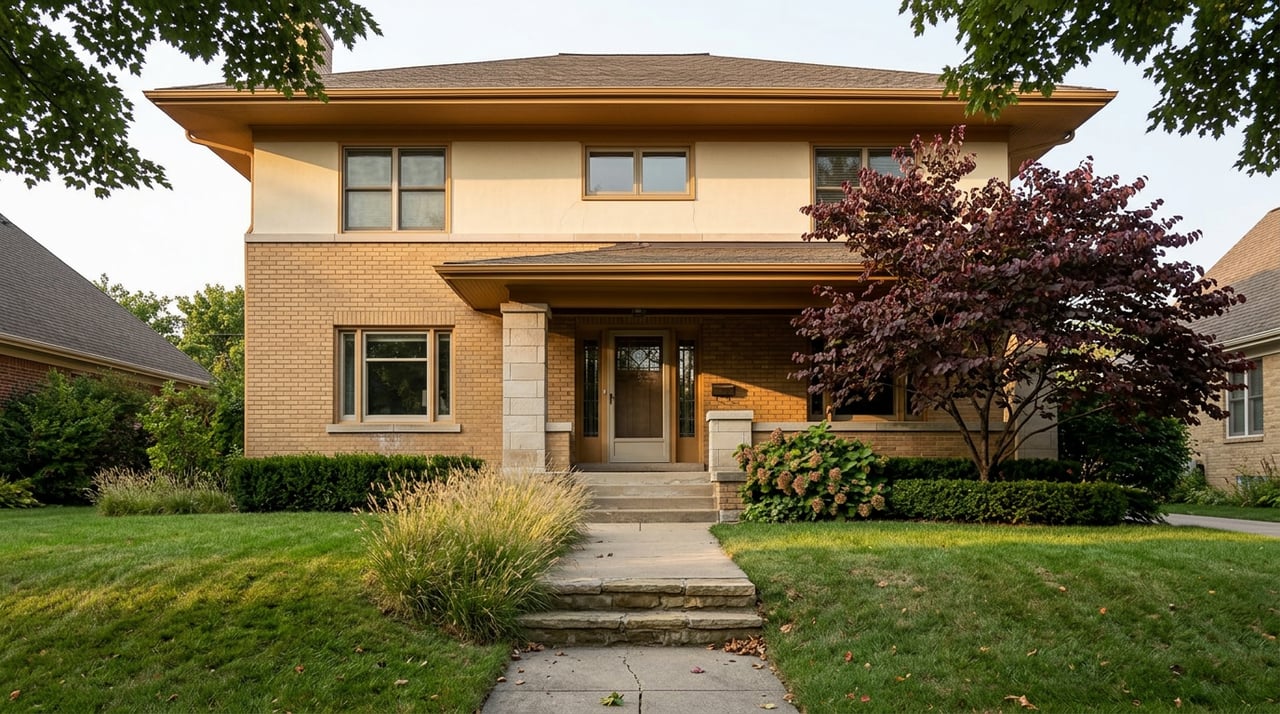
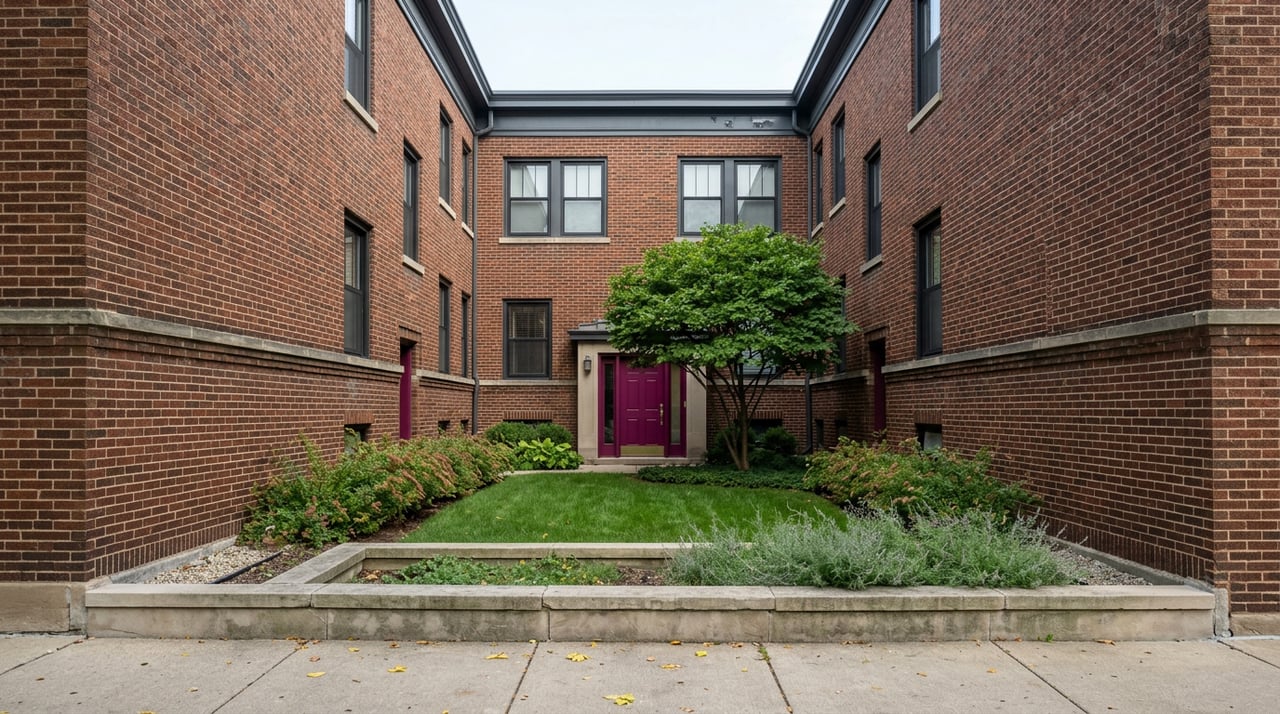
South Shore’s housing stock is one of the clearest clues to how the neighborhood functions. DePaul’s data shows that 62.3 percent of housing units are in buildings with 5 or more units, 14.9 percent are in 2 to 4 unit buildings, 12.3 percent are single-family homes, and 10.4 percent are condominiums (housing data for South Shore).
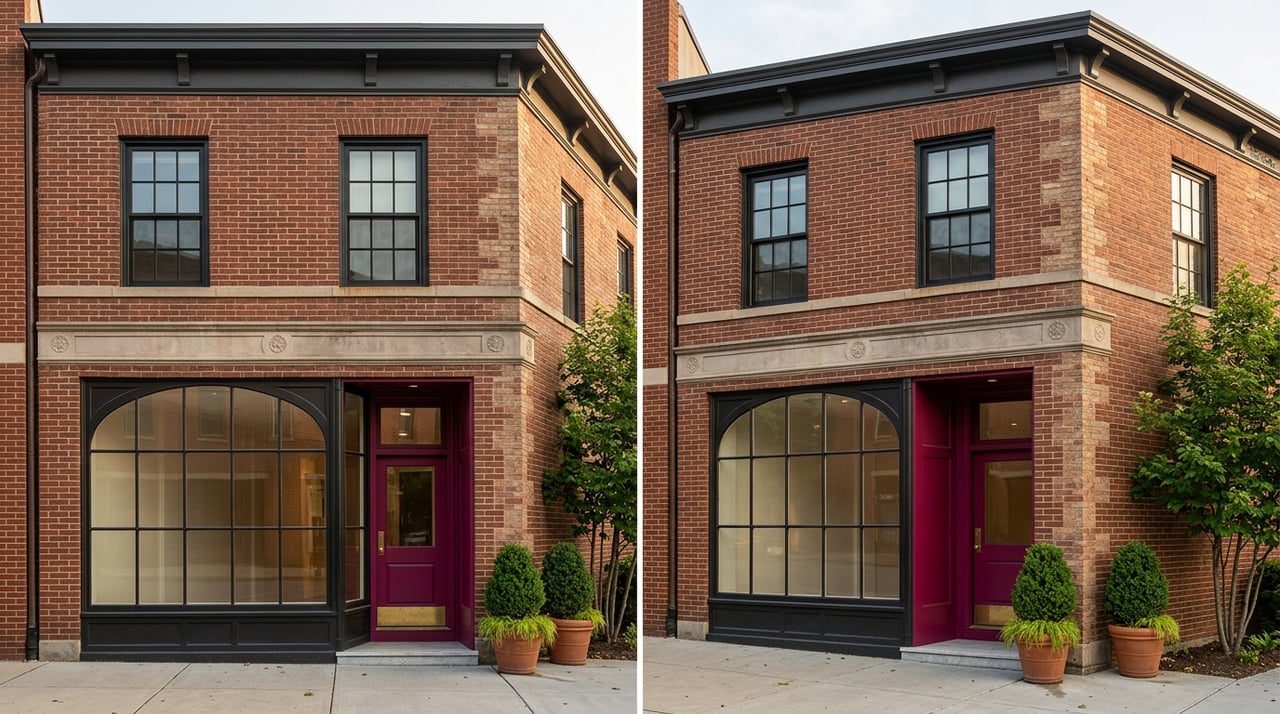
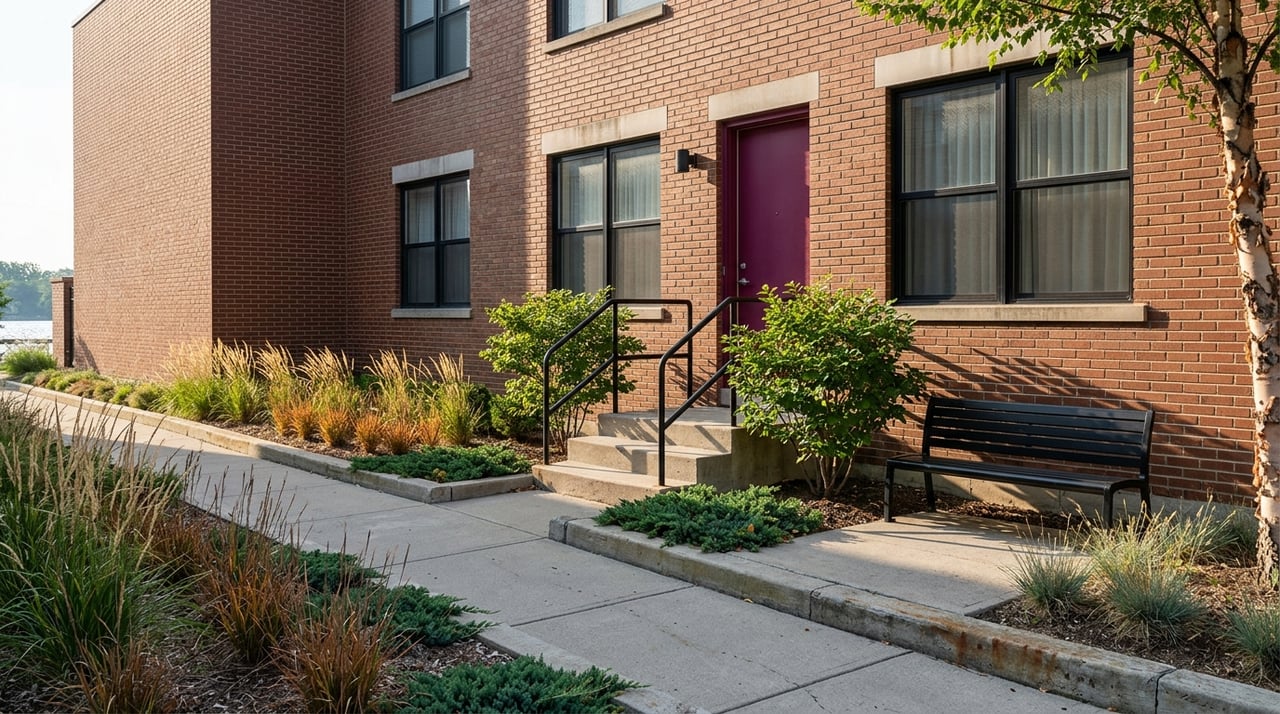
For you, this usually means more choices in condos and multi-unit properties than detached lakefront houses. That can be especially appealing if you want lower-maintenance living, an investment-oriented purchase, or a way to prioritize location and access over lot size.
It also makes South Shore relevant to several kinds of buyers. First-time buyers, value-focused shoppers, and investors may all find the housing mix worth a closer look because the neighborhood offers a different entry point into Chicago lakefront living than many buyers expect.
South Shore and relative affordability
If you are comparing neighborhoods along or near the lake, South Shore stands out on price. The Cook County Assessor’s 2024 Chicago reassessment report lists the neighborhood’s single-family median sale price at $90K, compared with $200K in Hyde Park and $222K in Woodlawn (Cook County Assessor report).
That does not mean every property will fit every buyer or renovation plan. It does mean South Shore can offer a lower-cost path to living near one of Chicago’s most valuable shared assets: the lakefront itself.
The cultural center shapes the vibe
South Shore’s lifestyle is not only about water and open space. The neighborhood’s signature civic anchor is the South Shore Cultural Center, a Chicago Landmark and a site on the National Register of Historic Places.
The Park District highlights its solarium, formal dining hall, Paul Robeson Theater, nature sanctuary, butterfly garden, day camp, after-school programming, and special events. That combination gives the neighborhood a cultural layer that goes beyond scenery. It supports the feeling that the lakefront here is active, social, and woven into community life.
Its history also helps explain South Shore’s identity. The site began as the South Shore Country Club, was later purchased by the Park District, and restored after a community campaign. The Park District also notes that many African Americans began settling in South Shore as the club’s membership peaked in the late 1950s, linking the property’s evolution to broader neighborhood history.
Today, arts partnerships with the Chicago Symphony Orchestra, Civic Orchestra of Chicago, South Chicago Dance Theatre, and South Shore Opera Company continue that story. For buyers who care about both place and character, that is a meaningful part of the neighborhood’s appeal.
Is South Shore right for your lifestyle?
South Shore may be a strong fit if you want a neighborhood where the lakefront is part of your real routine, not just an occasional destination. The mix of beaches, parkland, trail access, transit connections, and multi-unit housing creates a practical version of waterfront living that can feel more attainable than many buyers assume.
It may also be worth a closer look if you are comparing housing types. In a neighborhood with a large share of multi-unit buildings, the right purchase might be a condo, a two-to-four-unit building, or a single-family home depending on your budget and goals.
If you are thinking about buying, selling, or evaluating opportunity in South Shore, local context matters. From housing type to presentation strategy to neighborhood positioning, working with an advisor who understands both numbers and lifestyle can help you make a clearer decision. If you are ready for tailored guidance, connect with Julie Latsko for a personalized conversation about your next move.
FAQs
What makes South Shore different from other Chicago lakefront neighborhoods?
- South Shore stands out for its public waterfront access, the South Shore Cultural Center, access to beaches and the Lakefront Trail, transit connections, and a housing mix that includes many condos and multi-unit buildings.
What parks and beaches are in South Shore?
- Key lakefront destinations in South Shore include South Shore Cultural Center Park, South Shore Beach, and South Shore Nature Sanctuary, with 63rd Street Beach nearby in Jackson Park.
Is Rainbow Beach in South Shore?
- No. Rainbow Beach is in South Chicago, but it is adjacent to South Shore and is often part of the broader south lakefront recreation conversation.
Are Chicago beaches free to use in South Shore?
- Yes. The Chicago Park District states that Chicago beaches are free, with swim season typically running from the Friday before Memorial Day through Labor Day.
Is South Shore a good area for transit-based lakefront living?
- South Shore offers Metra Electric access at South Shore station, CTA bus connections, and bus access to beach destinations, which supports a transit-friendly lifestyle.
What types of homes are common in South Shore?
- South Shore has a housing stock dominated by larger multi-unit buildings, along with smaller multi-unit properties, single-family homes, and condominiums.
How does South Shore compare on home prices near the lakefront?
- Based on the Cook County Assessor’s 2024 Chicago reassessment report, South Shore’s single-family median sale price was lower than nearby Hyde Park and Woodlawn, making it a notable value comparison for buyers exploring the south lakefront.