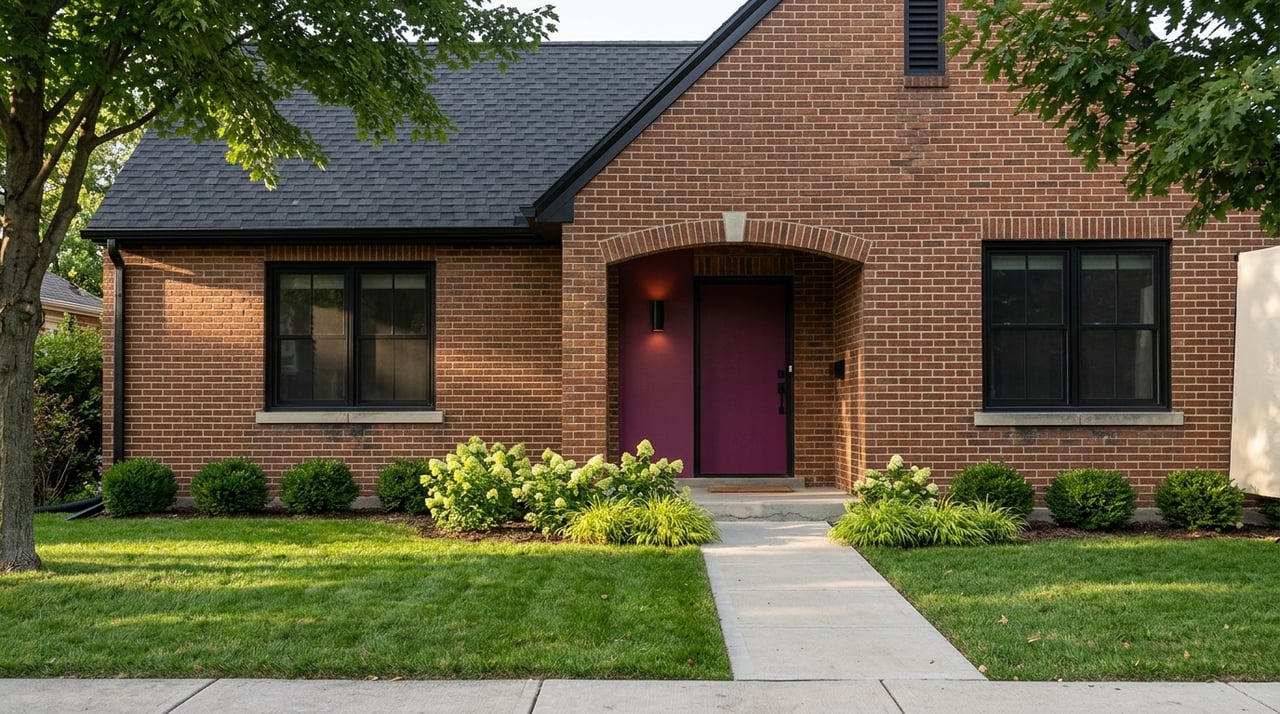
If you want a Chicago address but do not want a dense, condo-heavy lifestyle, Beverly may be one of the first neighborhoods worth a serious look. For many buyers, the big question is whether Beverly offers the right mix of space, character, commute options, and long-term value. This guide will help you understand how Beverly lives day to day, what types of homes you can expect, and where the trade-offs may show up so you can decide if it fits your next move. Let’s dive in.
What Beverly feels like
Beverly sits on Chicago’s southwestern edge, and it tends to feel more residential than many city neighborhoods. According to CMAP, the neighborhood has 19,570 residents, 7,451 households, an average household size of 2.6, and a median age of 43.3. Those numbers point to a more established, long-term residential pattern than you may find in denser parts of Chicago.
One of the clearest signs of that stability is homeownership. CMAP reports that 83.7% of occupied homes in Beverly are owner-occupied, compared with 45.5% citywide. If you are looking for a neighborhood where many residents stay put and invest in their homes over time, that is a meaningful detail.
Beverly’s physical setting also shapes its identity. The neighborhood developed along a glacial ridge, and early commuter rail helped define its growth. That history helps explain why Beverly often feels like a place of detached homes, yards, and quieter residential blocks while still being fully within Chicago.
Who Beverly tends to fit best
Beverly is often a strong fit if you want more room to spread out without leaving the city. Buyers who are moving up in space, prioritizing detached homes, or looking for a neighborhood with a steadier residential rhythm often find Beverly appealing. It can also make sense if you want a more house-focused environment instead of a high-rise or condo-centered one.
This neighborhood may also appeal to you if architectural character matters. Beverly is known for homes with distinct styles, older craftsmanship, and a less uniform housing stock. That can make the buying process more interesting, but it can also mean each property needs a closer look.
On the other hand, Beverly may be a weaker fit if your top priority is instant access to rapid transit, a dense nightlife scene, or a highly walkable condo lifestyle. The neighborhood has strong commuter rail access, but it does not function like a CTA-centered urban core. If your day-to-day routine depends on spontaneous late-night transit or a short walk to a dense commercial strip, that difference matters.
Housing in Beverly
Housing is one of Beverly’s biggest draws. CMAP’s local housing profile shows a median purchase price of $395,000, compared with $355,000 citywide and $335,000 regionwide. That suggests Beverly is often more of a move-up market than an entry-level one, even though it can still offer value compared with some nearby suburban options.
CMAP also reports a median homebuyer income of $132,000. In practical terms, that means many buyers entering the neighborhood are purchasing with a moderate-to-strong budget and are often looking for a longer-term home rather than a short stop.
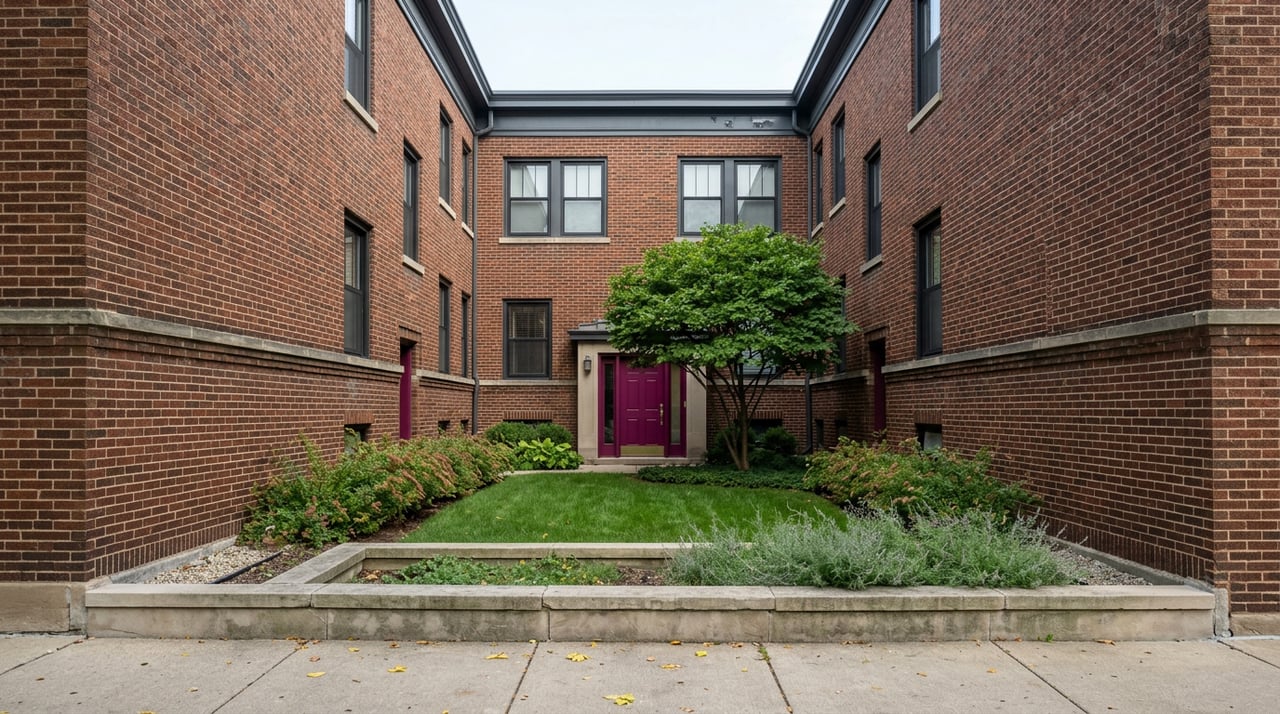
What you are often paying for here is not just square footage. You are also paying for lot size, detached-home living, architectural identity, and a neighborhood pattern that feels more residential than many other parts of the city. For the right buyer, that combination can be the reason Beverly stands out.
Architecture stands out here
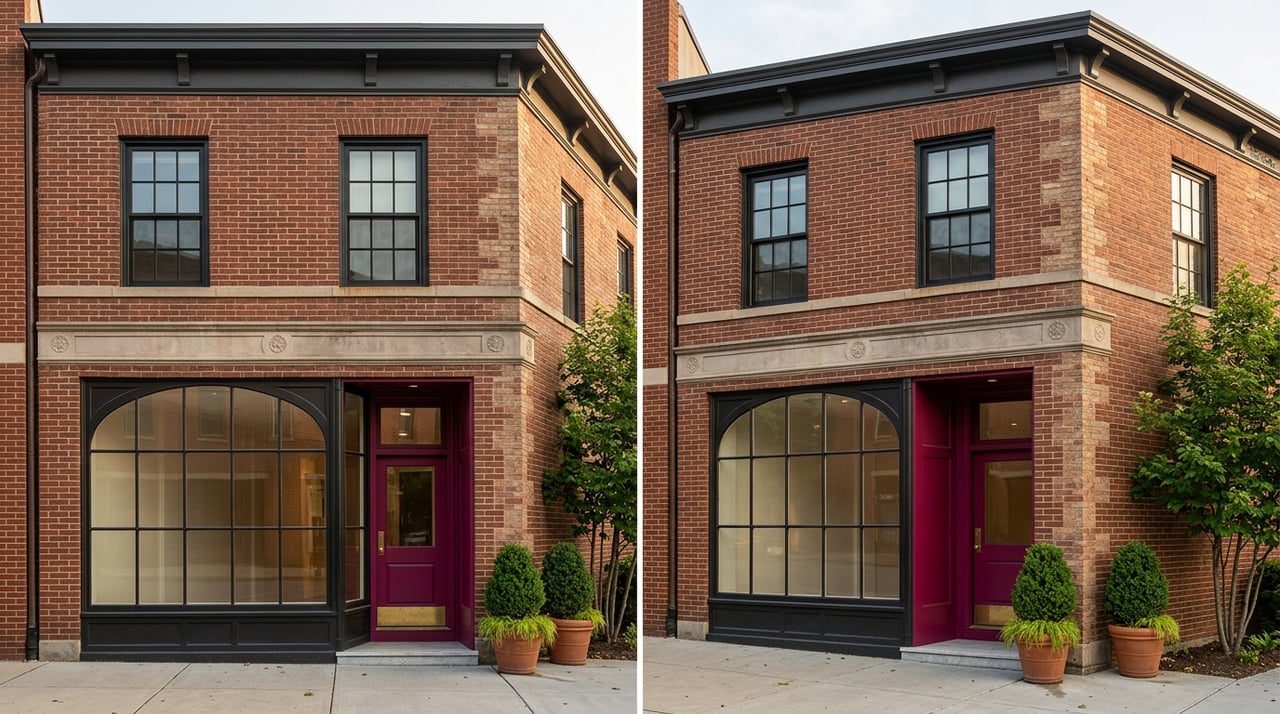
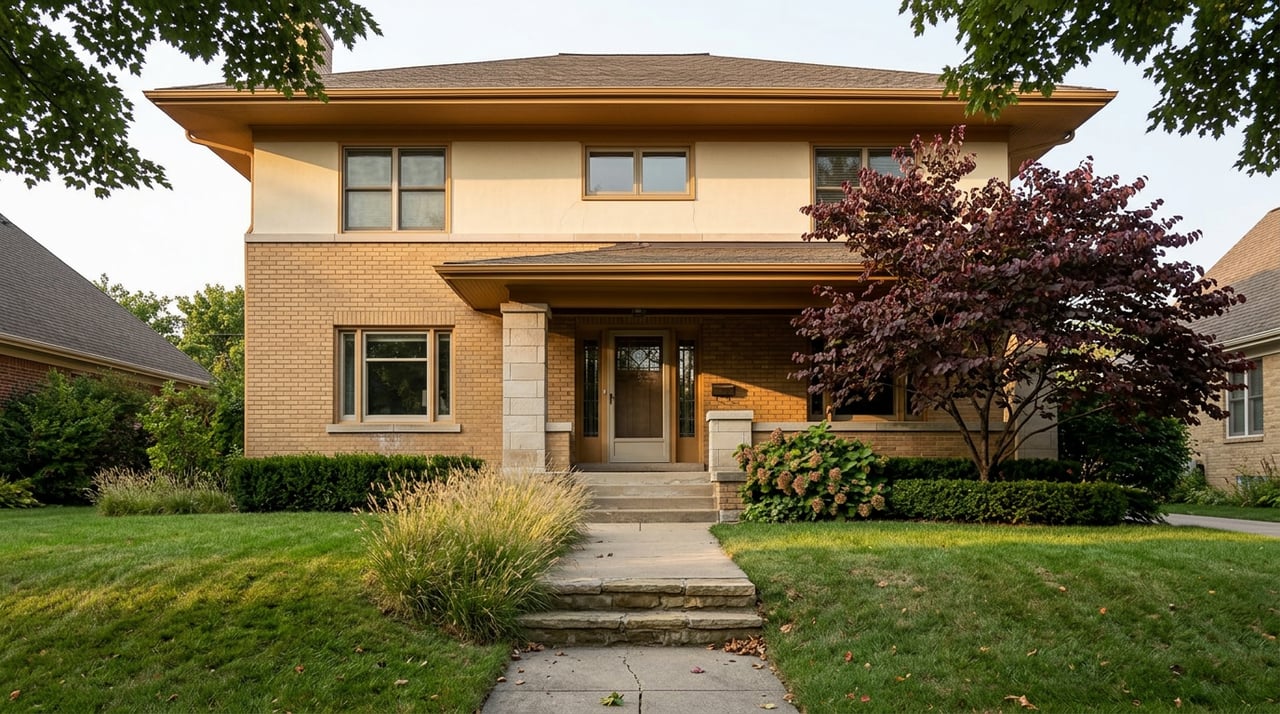
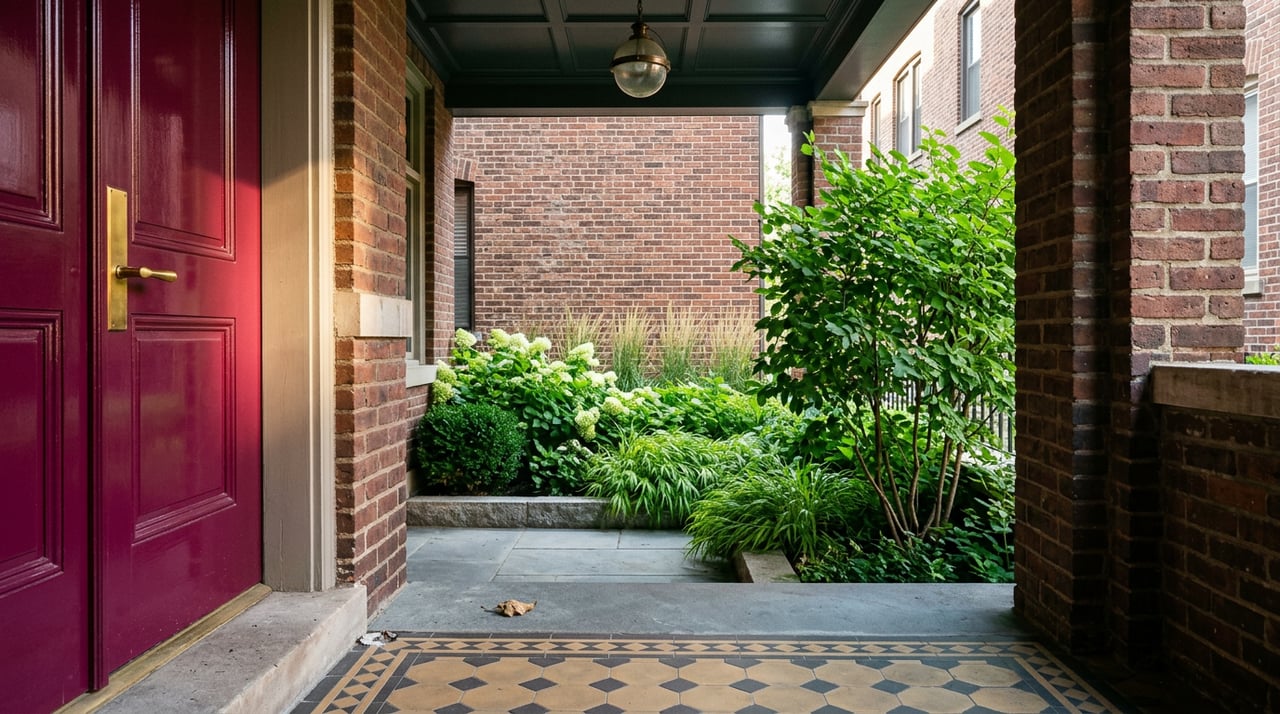
Beverly is not a commodity housing district. The neighborhood includes a rich mix of architectural styles, including Italianate, Carpenter Gothic, Queen Anne, Shingle, Prairie School, Renaissance Revival, Tudor Revival, American Four-Square, and Colonial Revival. That variety gives the area a sense of visual identity that many buyers find compelling.
The Longwood Drive District is a designated Chicago Landmark district, and the Beverly/Morgan Park Railroad Station District is another landmark district tied to the neighborhood’s commuter rail history. If you love homes with craftsmanship and individuality, that can be a major plus. If you prefer newer construction with more standardized systems and finishes, it may feel like more work.
Older homes can mean more upkeep
Beverly’s housing stock often comes with age-related maintenance considerations. Older systems, custom details, and renovation needs are common realities in neighborhoods with historic housing. That does not make Beverly a bad fit, but it does mean you should evaluate homes carefully and budget with maintenance in mind.
If a home is located within a landmark district, exterior changes may require additional review. That matters if you are already thinking about window replacements, additions, or facade updates. In Beverly, it is smart to evaluate not just the home itself, but also the specific address and any rules that could affect future plans.
Commuting from Beverly
Beverly is more car-oriented than Chicago overall, but it is not disconnected. CMAP reports that 61.3% of workers drive alone, 15.3% use transit, 15.5% work from home, and the mean commute time is 30.4 minutes. Compared with Chicago overall, that points to a neighborhood where driving plays a larger role in daily life.
Still, commuter rail is a real advantage here. Beverly is served by the Metra Rock Island Line, which runs to LaSalle Street Station downtown. Multiple accessible Zone 2 stations serve the neighborhood, including 91st Street/Beverly Hills, 95th Street/Beverly Hills, and 107th Street/Beverly Hills.
Some stations also connect with CTA and Pace routes. For example, 91st Street connects with CTA Route 9, 95th Street connects with CTA Routes 9 and 95 plus Pace routes 381 and 395, and 107th Street connects with CTA Routes 111 and 112. If your routine includes a regular downtown commute, that can be a meaningful benefit.
The key is to be honest about how you live. If you want structured commuter-rail access and do not mind planning around train schedules, Beverly may work well. If you need the flexibility of rapid transit at all hours, it may feel less convenient than other Chicago neighborhoods.
Parks, recreation, and daily lifestyle
Beverly’s lifestyle leans residential, recreational, and community-oriented. The neighborhood has strong park assets that support day-to-day living, especially if you value outdoor space and local programming. That helps explain why the area often feels calmer and more house-focused than more commercial parts of the city.
Beverly Park spans 13.56 acres and includes five baseball diamonds, a playground, tennis courts, a spray pool, and programs for young children and families. Ridge Park spans 10 acres and includes a gymnasium, auditorium, indoor pool, fitness center, woodshop, tennis courts, and a walking path. Ridge Wetlands adds a 1.21-acre nature area, and the Major Taylor Bike Trail also runs through Beverly and nearby South Side neighborhoods.
The neighborhood also has a cultural anchor in the Beverly Arts Center. The center includes a 400-seat theater, galleries, studios, and programming in dance, visual arts, music, film, and theater. If you want a neighborhood that combines residential space with local recreation and arts access, Beverly offers a more layered lifestyle than some buyers might expect.
Schools and address-level research
For buyers considering public school options, Beverly includes both neighborhood and choice options within Chicago Public Schools. CPS identifies Sutherland Elementary as serving Beverly families within its attendance boundaries. Kellogg Elementary in North Beverly offers an IB middle-grades program, and Clissold in West Beverly offers Montessori in the early grades and IB MYP in middle school.
For high school, Morgan Park High School serves grades 7 through 12 and offers IB, AP, Dual Credit, Honors, JROTC, and extracurricular activities. CPS also identifies Chicago High School for Agricultural Sciences as a nearby option serving the Beverly geographic area. These options can be important if you want to stay within Chicago while exploring a range of public school programs.
That said, school access is highly address-specific. Attendance boundaries and program availability can vary, so it is important to verify the exact address through CPS tools when you narrow your search. In Beverly especially, broad neighborhood impressions are useful, but final decisions are best made at the block and property level.
Questions to ask before buying in Beverly
Before you decide Beverly is the right fit, it helps to pressure-test the neighborhood against your real lifestyle. A beautiful home can still be the wrong choice if the commute, maintenance needs, or location details do not line up with how you live.
Here are a few smart questions to ask:
- Do you want a detached home and more yard space, or would you actually use a lower-maintenance condo lifestyle more?
- Will Metra work for your commute, or do you need faster, more flexible rapid transit access?
- Are you comfortable with the upkeep that can come with older homes?
- Are you considering renovations that could be affected by landmark district review?
- Have you checked the exact school and transit details for the addresses you are considering?
- Does Beverly’s quieter, more residential pace match what you want now and a few years from now?
So, is Beverly the right fit?
Beverly can be an excellent fit if you want a Chicago neighborhood defined by detached homes, strong architectural character, established residential streets, parks, and commuter-rail access. It is especially worth considering if you are moving up in space, looking for a longer-term home, or comparing city neighborhoods with nearby suburbs. The neighborhood offers a combination that can be hard to find elsewhere: a city address with a more residential form.
At the same time, Beverly is not one-size-fits-all. It tends to work best when you value space, ownership stability, and neighborhood character more than dense nightlife, condo inventory, or rapid-transit convenience. The smartest way to evaluate Beverly is at the address level, with close attention to home condition, landmark status, commute patterns, and your day-to-day priorities.
If you are weighing Beverly against other Chicago neighborhoods or nearby suburban options, working with an agent who can help you compare homes through both a market and property-condition lens can make the decision much clearer. If you are ready to explore Beverly with a practical, design-aware perspective, connect with Julie Latsko for a free home valuation & design consultation.
FAQs
Is Beverly in Chicago a good fit for buyers who want more space?
- Beverly is often a strong fit for buyers who want detached homes, yard space, and a more residential neighborhood pattern while still staying within Chicago.
Is Beverly in Chicago easy for commuting downtown?
- Beverly offers Metra Rock Island Line access to LaSalle Street Station, which can work well for regular downtown commuters, but it is generally less flexible than neighborhoods built around rapid-transit rail.
Are homes in Beverly Chicago mostly owner-occupied?
- Yes. CMAP reports that 83.7% of occupied homes in Beverly are owner-occupied, which is much higher than the citywide rate of 45.5%.
Are Beverly Chicago homes older and more unique?
- In many cases, yes. Beverly is known for older homes and a wide range of architectural styles, which can offer character but may also come with more maintenance needs.
Do some Beverly Chicago homes have landmark restrictions?
- Yes. Certain properties are located within landmark districts, and exterior changes may require additional review, so buyers should check each address carefully.
What is the median home price in Beverly Chicago?
- CMAP’s local housing profile shows a median purchase price of $395,000 for Beverly.
Does Beverly Chicago have parks and recreation options?
- Yes. Beverly includes Beverly Park, Ridge Park, Ridge Wetlands, and access to the Major Taylor Bike Trail, along with arts programming at the Beverly Arts Center.
Should buyers research Beverly Chicago block by block?
- Yes. In Beverly, school assignments, landmark implications, and station convenience can vary by address, so property-level research is especially important.