What if your morning run starts at Oak Street Beach and ends with coffee on a tree‑lined side street? If you are weighing a move to Chicago’s Gold Coast, you are likely picturing a car‑optional lifestyle with great dining, rich history, and lake views. This guide walks you through daily rhythms, housing types, and practical tradeoffs so you can decide if the Gold Coast fits the way you want to live. Let’s dive in.
Gold Coast at a glance
The Gold Coast sits on Chicago’s Near North Side along the lakefront. In common usage, you will hear boundaries described as North Avenue to the north, Lake Shore Drive to the east, Oak Street to the south, and Clark or LaSalle to the west. The Gold Coast Historic District was added to the National Register in 1978, reflecting its preserved architecture and storied past. You can read more about the district’s history and layout on the Gold Coast Historic District page.
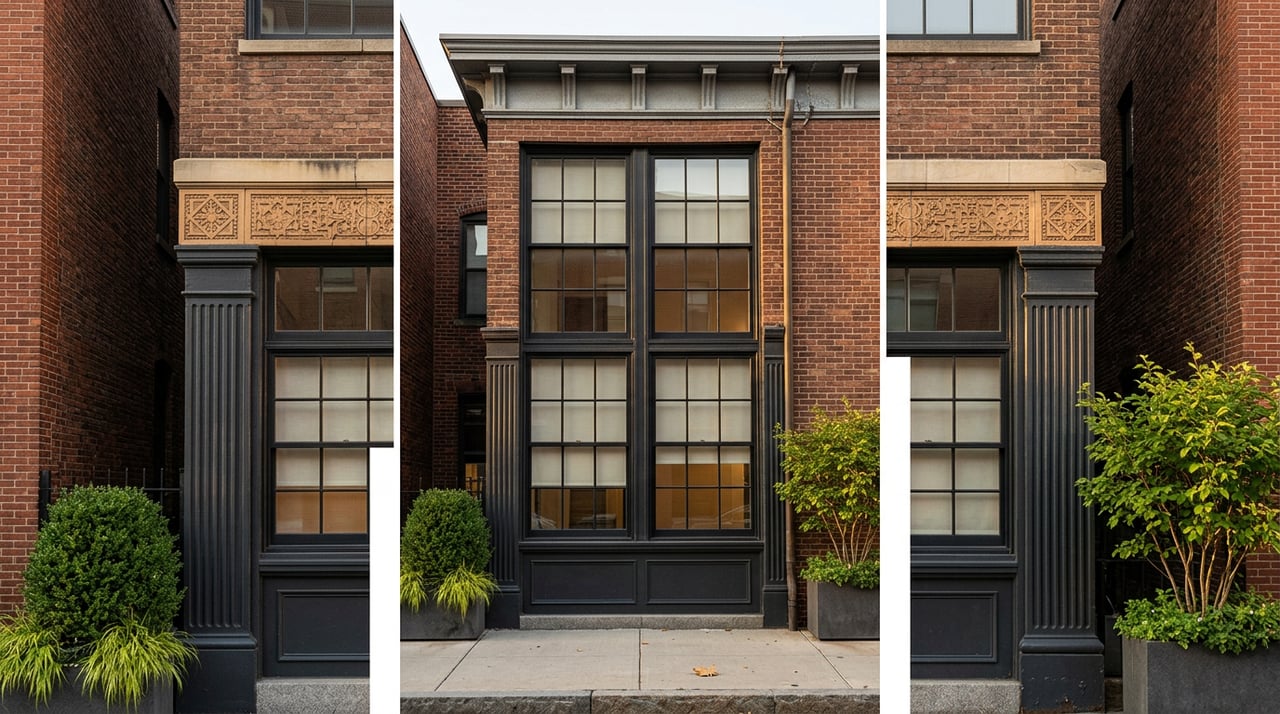
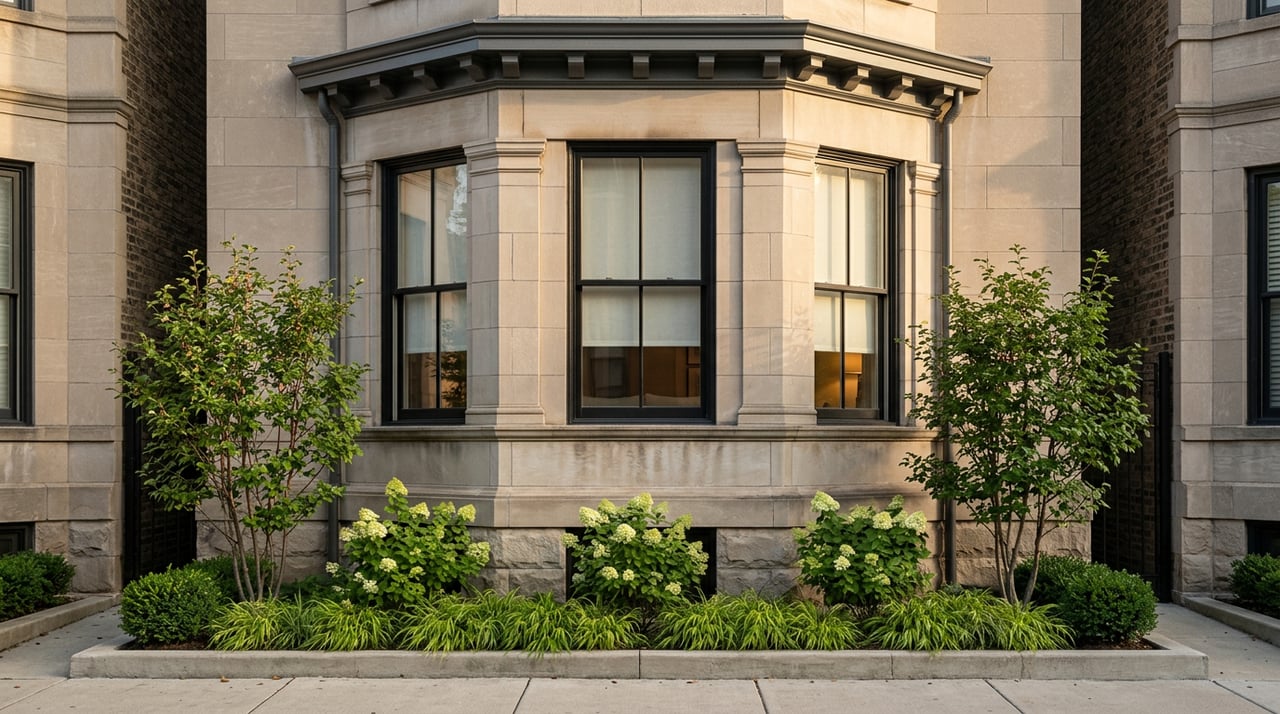
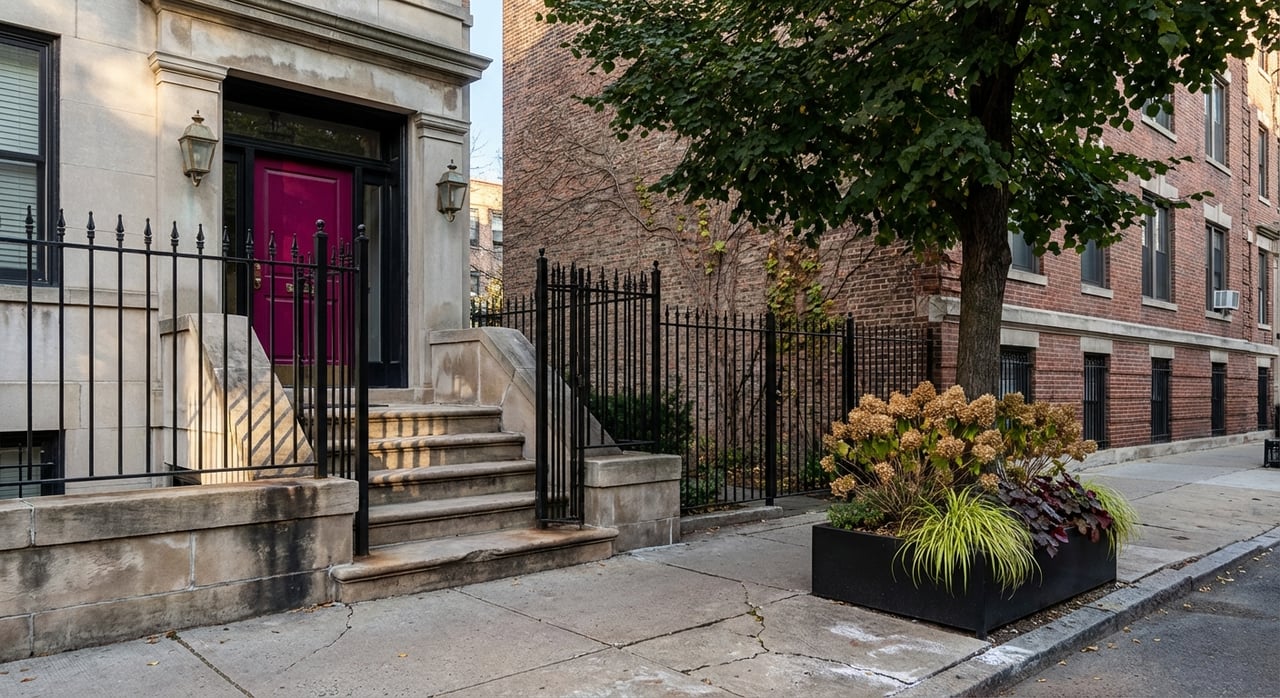
Architecturally, you will find a compact mix of late‑19th‑century mansions and brownstones, boutique rowhouses, prewar low‑rise courtyards, and many full‑amenity high‑rise towers near Michigan Avenue and Lake Shore Drive. That blend gives the neighborhood a historic yet polished feel with easy access to the lake and the Magnificent Mile. Sources commonly highlight Astor Street for its character and the high‑rise corridors for modern convenience. See a concise overview of the area’s fabric on Wikipedia.
Demographics vary by block and building, but a nearby lake‑edge ZIP used as a proxy (60611) shows high educational attainment, smaller household sizes, and median household income in the mid‑$120k range. Explore summary data for 60611 on Census Reporter.
Day‑to‑day living: walk, commute, lake
Walkability is a defining feature. Central Near North addresses often score in the mid‑90s on Walk Score, which is considered a Walker’s Paradise. Many residents run errands, meet friends, and dine without getting in a car. Check neighborhood‑level metrics on Walk Score.
Transit coverage is strong. The Chicago and Clark/Division Red Line stations sit nearby, and multiple CTA bus routes run along Clark, Dearborn, and Lake Shore Drive. That makes commuting to the Loop and other parts of the city straightforward. View route and destination info on the CTA’s destination guide.
Lakefront access shapes daily life. Oak Street Beach and the Lakefront Trail are right at the eastern edge of the neighborhood, around 1000 N. Lake Shore Drive. It is an easy spot for a morning run, volleyball, cycling, or a summer swim day. The Chicago Park District manages beach operations and seasonal rules, which you can find on the beaches page.
Everyday shopping is close at hand. Oak Street and the Magnificent Mile offer designer boutiques, luxury retail, and a range of everyday services. Many residents rely on short walks for groceries, coffee, and dry cleaning. The retail presence and historic architecture are both noted in the Gold Coast overview.
Dining, shopping, and culture
The Gold Coast dining scene spans classic steakhouses and new, chef‑driven concepts. Names you will hear include Gibsons and Maple & Ash, and the stretch near Rush Street stays lively into the evening. For context on the area’s restaurant energy, read about Maple & Ash’s opening in the neighborhood via Eater Chicago.
Cultural options are close. You can walk to institutions like the Newberry Library and the International Museum of Surgical Science, and you are within easy reach of lakefront events and street festivals. The annual Air & Water Show often becomes a stay‑local weekend for Gold Coast residents who can stroll to the lakefront for spectacular views.
Housing types and how they shape life
Your building type will define your routines. Here is how the most common options feel day to day.
Historic rowhouses and townhouses
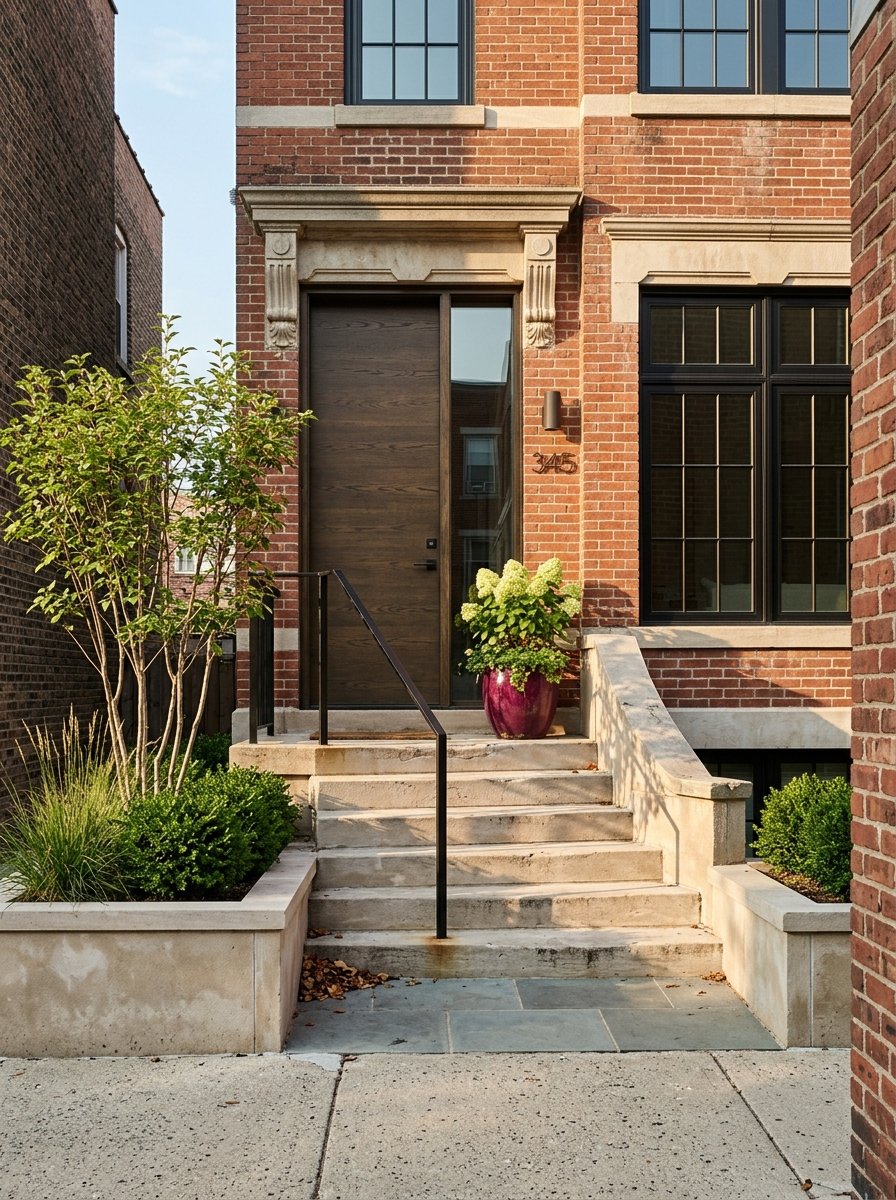
These 19th‑century homes cluster around Astor Street and side streets. Expect architectural detail, private stoops, and a more house‑like rhythm inside the city. You will likely handle some maintenance personally or through a small association. Amenities like doormen, gyms, or valet are less common, and parking can be limited. Learn more about the district’s historic housing on the Gold Coast Historic District page.
Prewar courtyard and low‑rise condos
Pre‑1940 courtyard buildings offer character and a neighborly feel with fewer units per floor. Many have simple lobbies and lighter amenity packages, which can translate into lower monthly assessments than full‑service towers. Layouts sometimes reflect historic footprints, so storage and furniture planning matter.
Full‑amenity high‑rise condos and towers
Along Lake Shore Drive, Michigan Avenue, and nearby streets, you will find multi‑hundred‑unit towers with convenience‑heavy routines. Common features include 24‑hour door staff, fitness centers, rooftop decks or pools, package rooms, resident lounges, and in‑building garage or valet parking. Rules around guests, pets, and renovations often apply, which helps set expectations and keeps operations smooth.
Large mansions and trophy townhomes
A small number of landmark mansions and high‑end townhouses remain in the core historic area. These are rare purchases that require significant upkeep and are best for buyers who want a singular residence with a long horizon. Historic context appears in the Gold Coast district overview.
Co‑ops vs. condos: what to know
Legal structure changes everything from financing to monthly cash flow. In a condo, you own your unit via a deed. In a co‑op, you buy shares in a corporation and receive a proprietary lease for your unit. That shift affects taxes, fees, and governance. Get a clear primer on the differences from Investopedia’s co‑op vs. condo guide.
Here is how those differences show up in daily life:
- Board approvals and subletting. Co‑ops commonly require more rigorous vetting and often restrict subletting, which matters if you want the option to rent your unit. Condos tend to have simpler transfers and more flexible rental policies. See governance basics in the Investopedia overview.
- Monthly charges and what they cover. Co‑op maintenance fees often include a share of the building’s property taxes and sometimes utilities. Condo HOA dues usually cover common areas, while you pay property taxes separately. This changes your monthly budgeting. Read a breakdown of inclusions on Nationwide’s condo vs. co‑op explainer.
- Financing and resale. Co‑ops can require higher down payments, and lenders may have stricter underwriting for share loans. That narrows the buyer pool and can influence future time to sell. Condos often attract a broader pool. Find a high‑level summary of financing differences on Investopedia.
In the Gold Coast, many prewar buildings use co‑op structures or stricter associations, while newer towers skew condo. Always confirm the legal form before you buy or sell.
Parking, noise, and practical fit
Parking is limited and can be costly. Dense, walkable blocks mean many residents either choose buildings with on‑site garage or valet parking or go car‑light and rely on transit or rideshare. If you plan to keep a car, prioritize a building with a deeded or assigned space.
Nightlife is part of the texture. The Rush Street area can stay lively late, while residential pockets such as Astor Street and some stretches of Dearborn and Oak feel more subdued. If you are a light sleeper, pay attention to building orientation and ask about window glazing when you tour.
Schools are available within and near the neighborhood. For public options, Ogden International maintains an East Campus at 24 W. Walton in the Near North area. You can read more about the school system on the Ogden International School page. Always verify current boundaries and admissions policies.
A day in the Gold Coast
Here are two quick lifestyle snapshots to help you picture the fit.
High‑rise amenity day
- Early workout in the building gym, then coffee two blocks away.
- Midday run or ride on the Lakefront Trail, accessed at Oak Street Beach.
- Package pickup from the door team, quick swim on the rooftop, and dinner on or near Rush Street.
Brownstone weekend
- Morning coffee and a slow walk under the canopy on Dearborn or Astor.
- Errands on Oak Street or Michigan Avenue, then an afternoon at a nearby museum.
- A quiet evening on the stoop or a low‑key bistro nearby.
Buyer checklist for this neighborhood
Use this practical list to focus your search:
- Confirm legal form. Is the building a condo or a co‑op, and what does that mean for board approvals and subletting? Review the basics on Investopedia.
- Scan what monthly fees include. Look for heat, water, property taxes, reserves, and any underlying mortgages in co‑ops. For context on building finances, see CooperatorNews.
- Verify parking. Ask if a deeded or assigned space is included, if valet is available, and what guest parking options exist.
- Assess amenity needs. Decide if a door team, fitness center, pool, or package room is essential to your routine.
- Check proximity metrics. Note walk time to Oak Street Beach and to the nearest Red Line station. Use Walk Score and the CTA destination guide to estimate daily travel times.
- Consider noise and orientation. Tour at different times of day and ask about street exposure and window specifications.
Ready to explore?
If the Gold Coast’s mix of historic beauty, walkability, and lake access sounds like your next chapter, let’s plan your search together. With a designer’s eye, deep neighborhood insight, and access to Compass tools, Julie Latsko helps you compare buildings, decode co‑op vs. condo tradeoffs, and spot value in layout and finishes. Ready to see what fits your lifestyle and budget? Connect with Julie Latsko for a free home valuation and design‑forward consultation.
FAQs
What is daily commute like from the Gold Coast?
- You can reach the Loop and other neighborhoods using nearby Red Line stations at Chicago and Clark/Division and multiple CTA bus routes along Clark, Dearborn, and Lake Shore Drive. See options on the CTA destination guide.
How walkable is Chicago’s Gold Coast for errands?
- Central blocks often earn Walker’s Paradise ratings, so most errands, coffee runs, and dinners happen on foot. Check address‑level scores on Walk Score.
How close is the beach and Lakefront Trail?
- Oak Street Beach and the Lakefront Trail sit at the neighborhood’s eastern edge, around 1000 N. Lake Shore Drive. Find seasonal details on the Chicago Park District beaches page.
What is the difference between a condo and a co‑op in the Gold Coast?
- Condos convey a deed to your unit, while co‑ops give you shares in a corporation and a proprietary lease. This affects approvals, subletting, monthly fees, financing, and resale. Read the basics on Investopedia.
Is parking necessary in the Gold Coast?
- Many residents go car‑light due to strong walkability and transit. If you need a car, look for a building with garage or valet parking and confirm fees and availability.
Are there quieter blocks within the neighborhood?
- Yes. Rush Street and certain corridors are lively at night, while residential pockets like Astor Street and some stretches of Dearborn and Oak feel more subdued. Building orientation and window quality also matter.
What schools serve the area around the Gold Coast?
- Public options include Ogden International’s East Campus at 24 W. Walton in the Near North area. Always confirm current boundaries and admissions policies. Learn more on the Ogden International School page.