Trying to choose between Lincoln Park and Old Town? You are not alone. These north-side neighbors both offer walkable streets, strong transit, and great dining, but the daily rhythm feels different once you live there. In this guide, you will see how housing, parks, transit, and lifestyle compare so you can match each area to your priorities. Let’s dive in.
Lincoln Park vs Old Town at a glance
Lincoln Park feels larger and more residential with a park-first identity. You will see tree-lined blocks, a wide mix of housing types, and quick access to beaches, trails, and family programming along the lakefront.
Old Town feels intimate and historic with a village-like core centered on Wells Street and the Old Town Triangle. You get boutique shops, smaller parks, and a lively dining and theater scene in a compact footprint.
Housing options compared
Lincoln Park homes
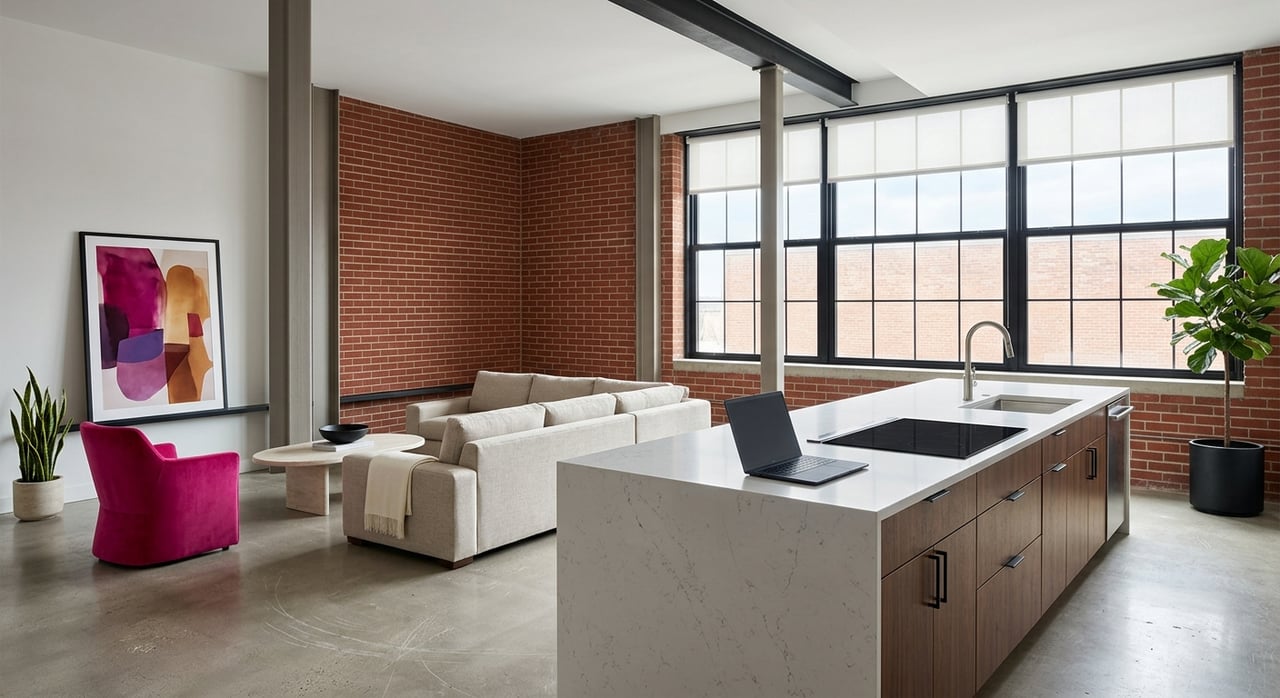
Lincoln Park offers a broad range of homes. You will find larger single-family houses and townhomes, historic greystones and brick walk-ups, and mid- to high-rise condos near major corridors. Newer infill and condo conversions appear in select pockets. Many buyers choose Lincoln Park for more space and proximity to the park and lake.
Old Town homes
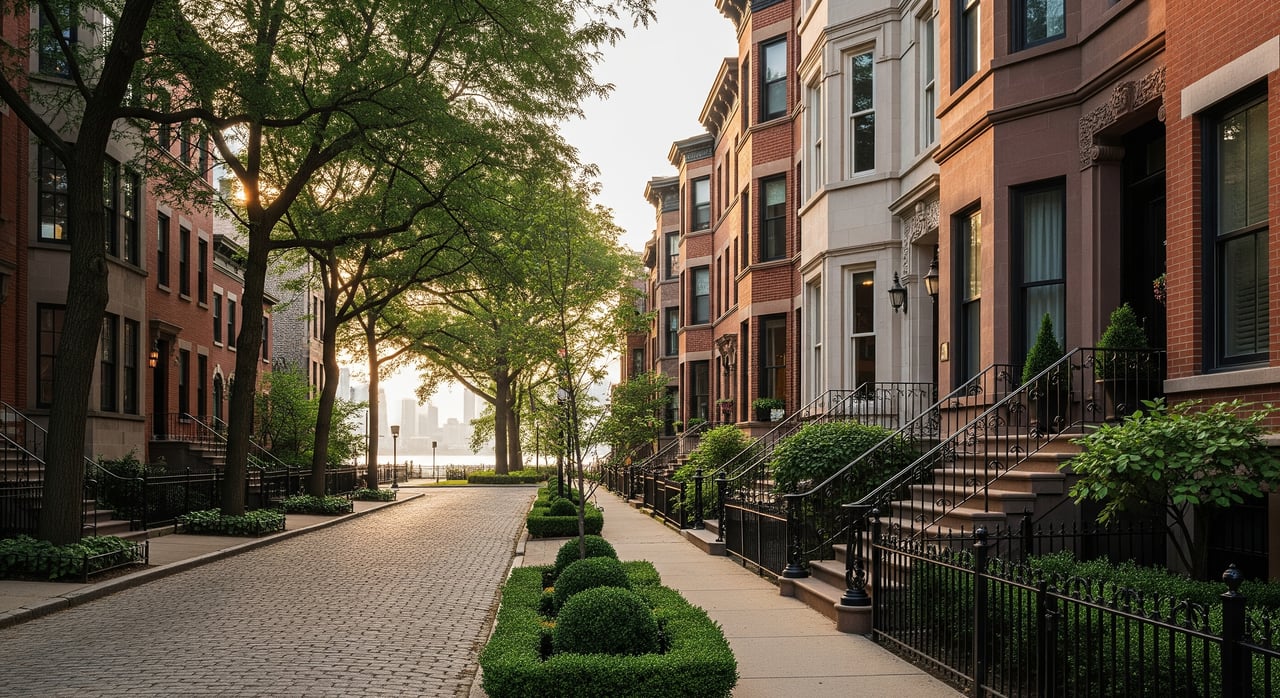
Old Town leans historic and low-rise. Expect Victorian and 19th-century homes, many preserved in the Old Town Triangle, plus attached townhomes and converted walk-ups. There are fewer high-rises than in adjacent Lincoln Park. Buyers often choose Old Town for architecture, charm, and the boutique feel around Wells Street.
Price signals to watch
Both areas are high-demand with tight inventory. Lincoln Park often commands premiums for larger homes and park or lake access. Old Town can command strong prices per square foot for well-preserved historic homes and prime Wells Street locations. Focus on trend direction for your property type rather than a single number, and make sure you compare HOA dues, taxes, and parking.
Getting around and daily routine
Transit and commuting
Both neighborhoods are walkable and well served by CTA buses and nearby Red, Brown, and Purple Line stations. Downtown access is straightforward. If commute time matters, test your route during typical hours and note which station or bus stop you will use daily.
Parking and cars
Street parking is limited in many blocks and often permit-based or metered. If you own a car, confirm garage or deeded parking options and any monthly costs. Ride-hail and bike-share are widely available if you prefer to go car-light.
Green space and outdoor time
Lincoln Park offers a clear advantage in immediate access to large green spaces, the zoo, conservatory, athletic fields, and trails. Old Town has smaller parks and easy reach to the lakefront, but many streets are more urban and less park-facing. If you want daily walks in big parkland, Lincoln Park tends to fit. If you want short walks to cafes and nightlife with smaller parks nearby, Old Town is compelling.
Dining, shopping, and culture
Lincoln Park spans casual cafes, family-friendly spots, and destination dining along Armitage, Clark, and parts of Lincoln Avenue. You get variety across many blocks. Old Town is more concentrated, with restaurants, boutiques, comedy, and theater clustered around Wells Street and the historic triangle. If you like a lively evening scene in a compact area, Old Town delivers. If you want a broader mix across multiple corridors, Lincoln Park works well.
Schools, taxes, and rules to know
Schools and programs
Both neighborhoods are served by Chicago Public Schools and include access to private and early childhood options. If school access is a priority, review current CPS attendance boundaries, program availability, and commute times to private options. Boundaries and offerings can change, so verify details before you write an offer.
Taxes, HOAs, and carrying costs
Cook County property tax assessments apply to both neighborhoods. For condos and townhomes, factor HOA dues that cover common insurance, maintenance, and amenities. If parking is not included with a unit, plan for garage leases or permits as part of your monthly budget.
Preservation and short-term rentals
Old Town includes the Old Town Triangle historic district with design guidelines for exterior changes. Parts of Lincoln Park also include landmarked structures and overlays. If you plan to renovate, confirm any review procedures before you purchase. Chicago also regulates short-term rentals with registration and building rules that can limit operations, especially in condo buildings. Review building policies and city requirements early.
Safety and due diligence
Both areas are generally considered safe relative to many parts of the city, but crime patterns vary by block and time. Review current block-level data and visit properties at different hours to understand foot traffic, lighting, and nearby nightlife.
Which fits your lifestyle? A decision guide
Ask yourself
- What is your top housing type: larger single-family or a condo/townhome near the action?
- How much space do you need today and in three years?
- Do you want daily access to major parkland or a compact, boutique street scene?
- Which CTA line or station will you use most, and how far is it on foot?
- Do you need a specific school boundary or a manageable commute to a private program?
- Will you renovate, and do landmark rules affect your plans?
- Do you need deeded parking, or can you rely on street or garage parking nearby?
Buyer scenarios
- Family seeking parks and more living space: You may lean Lincoln Park for larger single-family options and immediate access to lakefront greenspace.
- Couple prioritizing nightlife and historic charm: You may lean Old Town for its intimate streets, theater venues, and concentrated dining.
- Investor targeting rental demand: Lincoln Park’s proximity to DePaul supports robust rental interest, though both areas draw young professionals.
- Preservation-minded buyer: Old Town’s historic triangle offers character and a village feel.
Touring checklist
- Confirm school boundaries and feeder patterns for the address.
- Review HOA dues, reserves, and any pending assessments.
- Ask about landmark or historic district rules affecting renovations.
- Time your commute during peak hours and test your route.
- Check evening and weekend noise levels if nightlife matters to you.
- Verify parking availability, permits, and any garage options.
- Map your grocery, pharmacy, and health services within a short walk.
- Review property tax history and recent assessments.
Ready to compare homes?
If you are weighing Lincoln Park against Old Town, a focused tour can make the choice clear. With a design-forward approach and data-backed process, you can see how each home fits your routine, budget, and long-term plans. For guidance on layout potential, staging strategy, and neighborhood fit, connect with Julie Latsko for tailored advice.
FAQs
How do Lincoln Park and Old Town differ in housing?
- Lincoln Park offers more large single-family homes and high-rise condos, while Old Town leans historic with smaller homes, townhomes, and low- to mid-rise condos.
Which area is better for parks and outdoor access?
- Lincoln Park places you next to expansive lakefront parkland, the zoo, and trails; Old Town has smaller parks and easy reach to the lakefront but feels more urban on many blocks.
What should I consider about schools in these neighborhoods?
- Both are served by Chicago Public Schools and have private options; verify current attendance boundaries, programs, and commute times before making a decision.
Are there historic district rules in Old Town?
- Yes, the Old Town Triangle is a historic district with design guidelines for exterior changes; confirm requirements if you plan to renovate.
How is parking in Lincoln Park vs Old Town?
- Street parking can be limited in both; many blocks use permits or meters. If you need a car, look for deeded or garage options and factor those costs into your budget.
Can I run a short-term rental in these neighborhoods?
- Chicago requires registration and compliance for short-term rentals, and many condo buildings have restrictions; review city rules and building policies early.