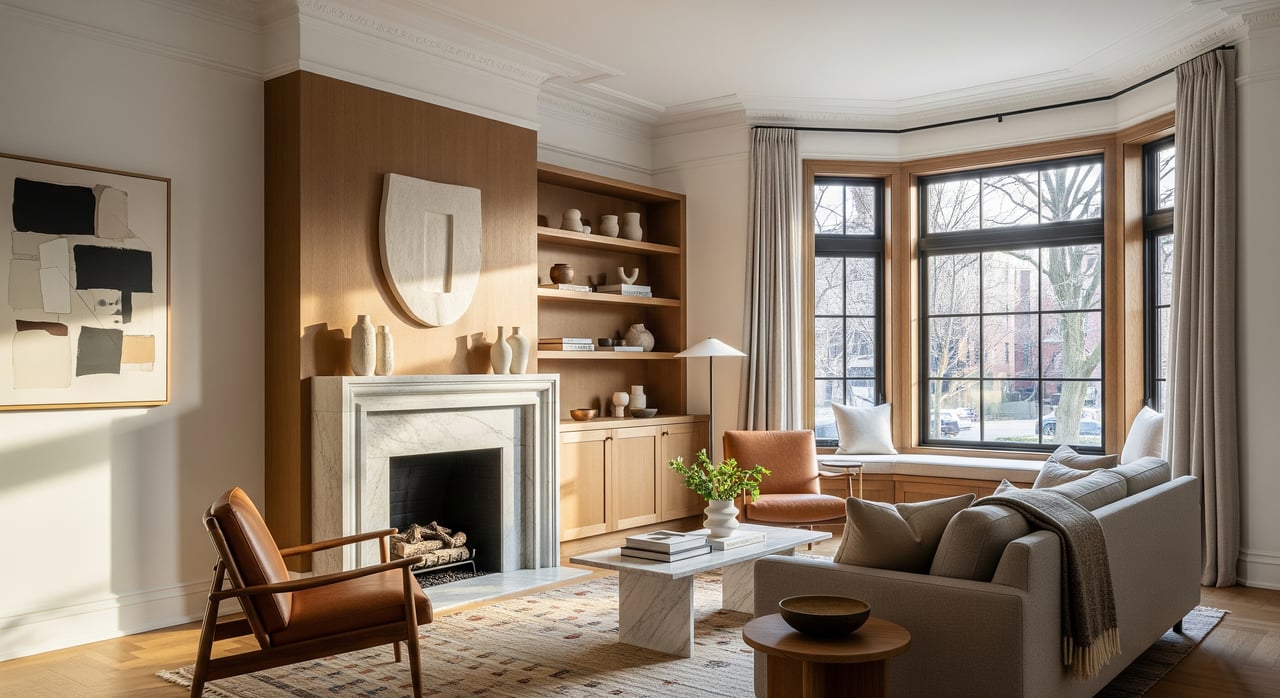
Love good architecture as much as a beautiful sofa? In Lincoln Park, you get both. From ornate greystones to glassy high-rises, the neighborhood’s mix of buildings gives you real choices in layout, materials, and lifestyle. If you want a home that supports your taste and the way you live day to day, this guide will help you match your style to the right Lincoln Park home type and plan smart updates with confidence. Let’s dive in.
Why design lovers choose Lincoln Park
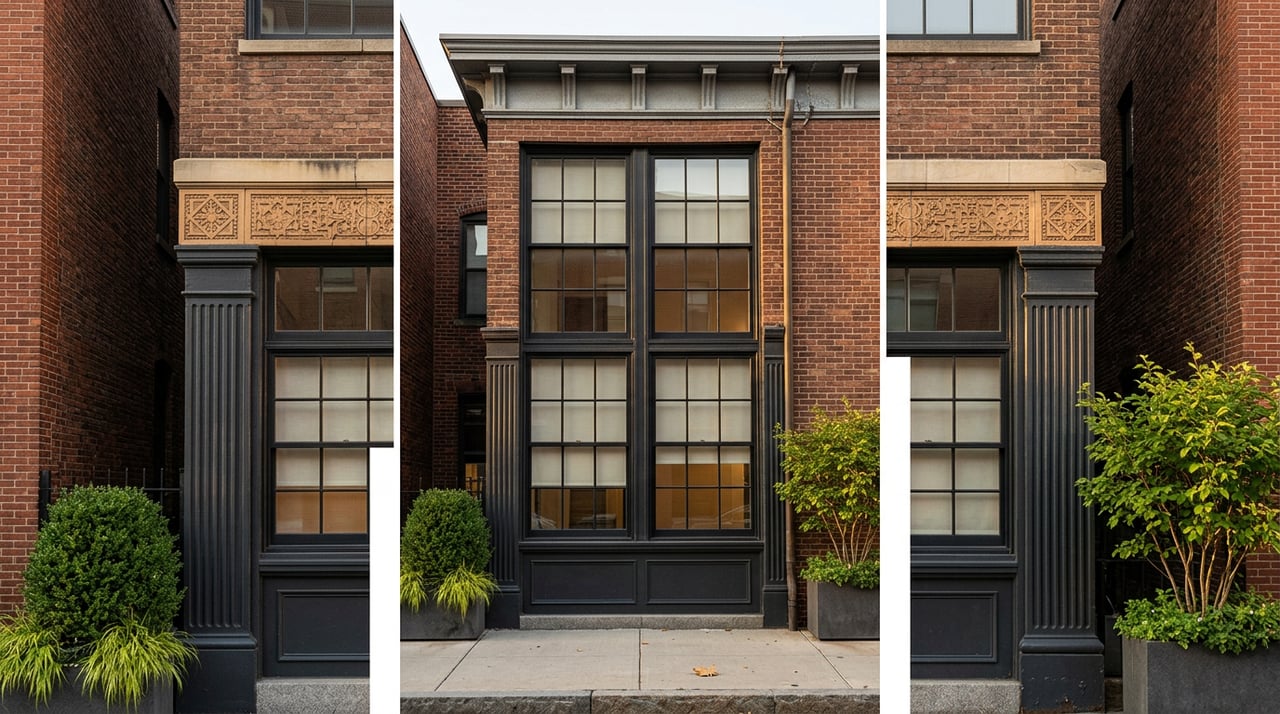
Lincoln Park blends history and modern living in one walkable pocket of Chicago. You see late 19th and early 20th century masonry walk-ups, greystones and rowhouses on tree-lined streets, plus mid-century and contemporary condos near the lakefront and along major corridors. That variety creates different interior palettes and possibilities, from original millwork to sleek, open plans.
Because buildings were built across decades, you also see different structures, mechanical systems, and layouts. Some homes have tall windows and defined rooms. Others have floor-to-ceiling glazing and wide living areas. Understanding those patterns helps you design with intention and avoid costly surprises.
Home types at a glance
- Vintage walk-ups and pre-war apartments: 3 to 6 stories, masonry construction, hardwood floors, crown moldings, radiators, and separate rooms.
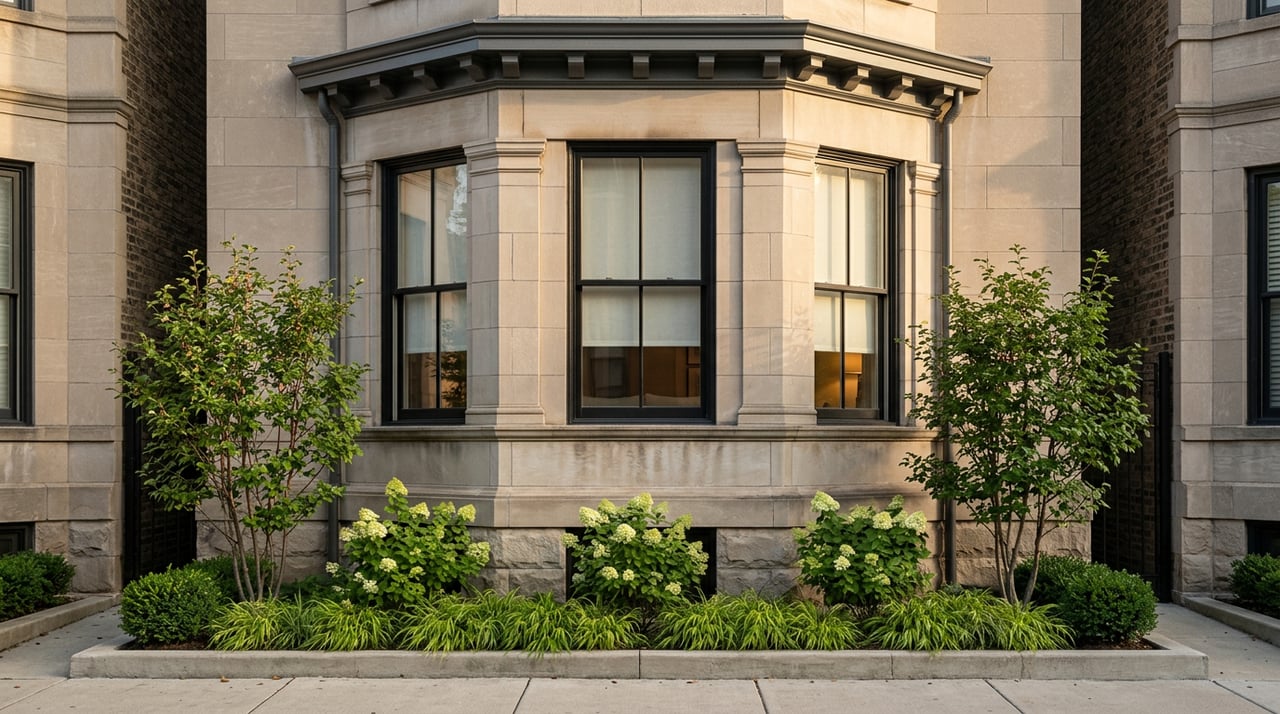
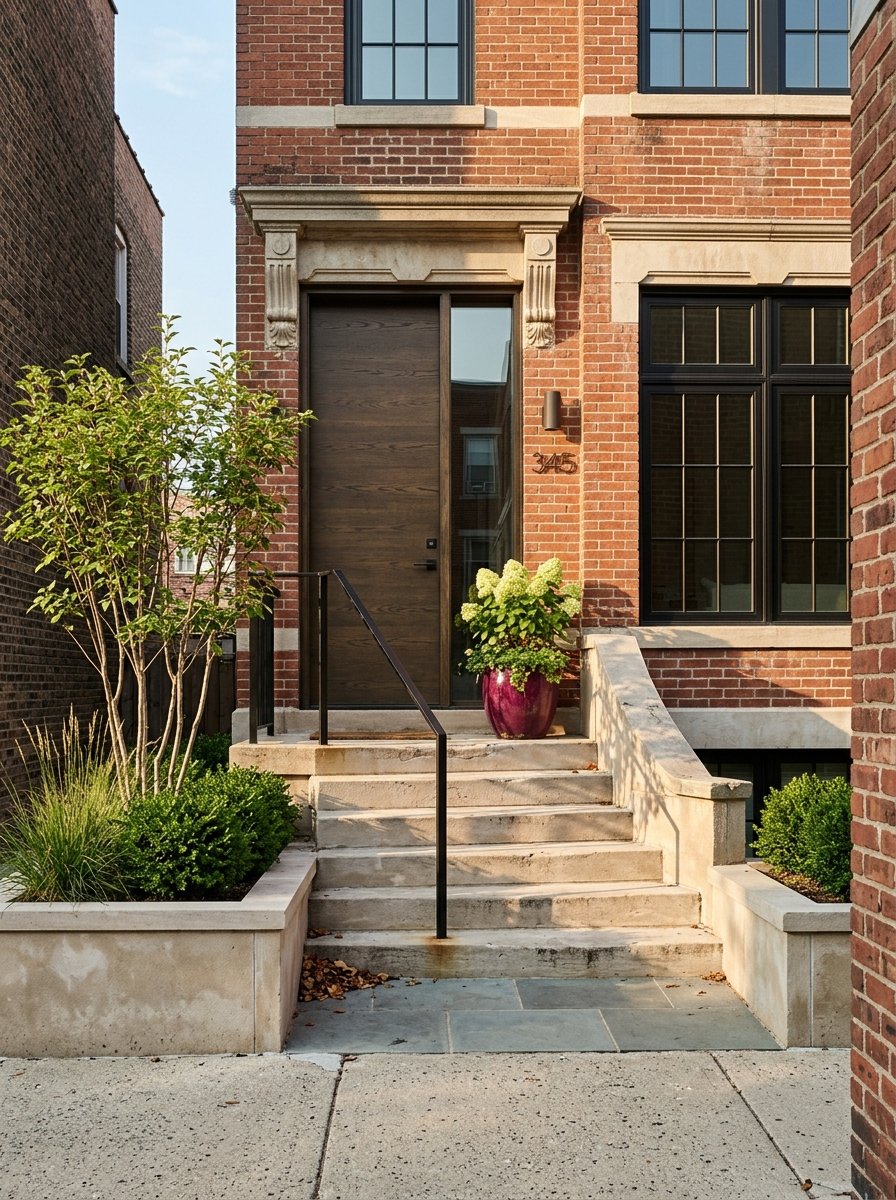
- Brownstones, greystones, and rowhouses: narrow facades, vertical layouts, period staircases and fireplaces, stacked rooms.
- Luxury mid-rise and high-rise condos: open plans, large windows, modern kitchens and baths, in-unit laundry, building amenities.
- Single-family homes and larger townhomes: more square footage, basements and outdoor space, good candidates for additions.
- Lofts and converted buildings: high ceilings, open floor plates, exposed structure, flexible layouts.
Vintage walk-ups: character with smart updates
Vintage walk-ups often charm you with original wood floors, plaster walls, deep window sills, and the occasional bay window. Rooms tend to be defined rather than open, and kitchens and baths can run smaller. Closets might be limited.
Design strategies that work well:
- Respect and refresh: restore mantels and moldings while updating kitchens and baths with clean-lined cabinetry and contemporary fixtures.
- Layered mix: combine vintage pieces and modern furniture to highlight original details without feeling heavy.
- Space optimization: add built-in storage, custom closets, and open shelving to keep rooms bright and functional.
- Light-forward finishes: use lighter paint on walls and ceilings to amplify natural light, especially in narrower units.
Rowhouses and greystones: vertical living, strong focal points
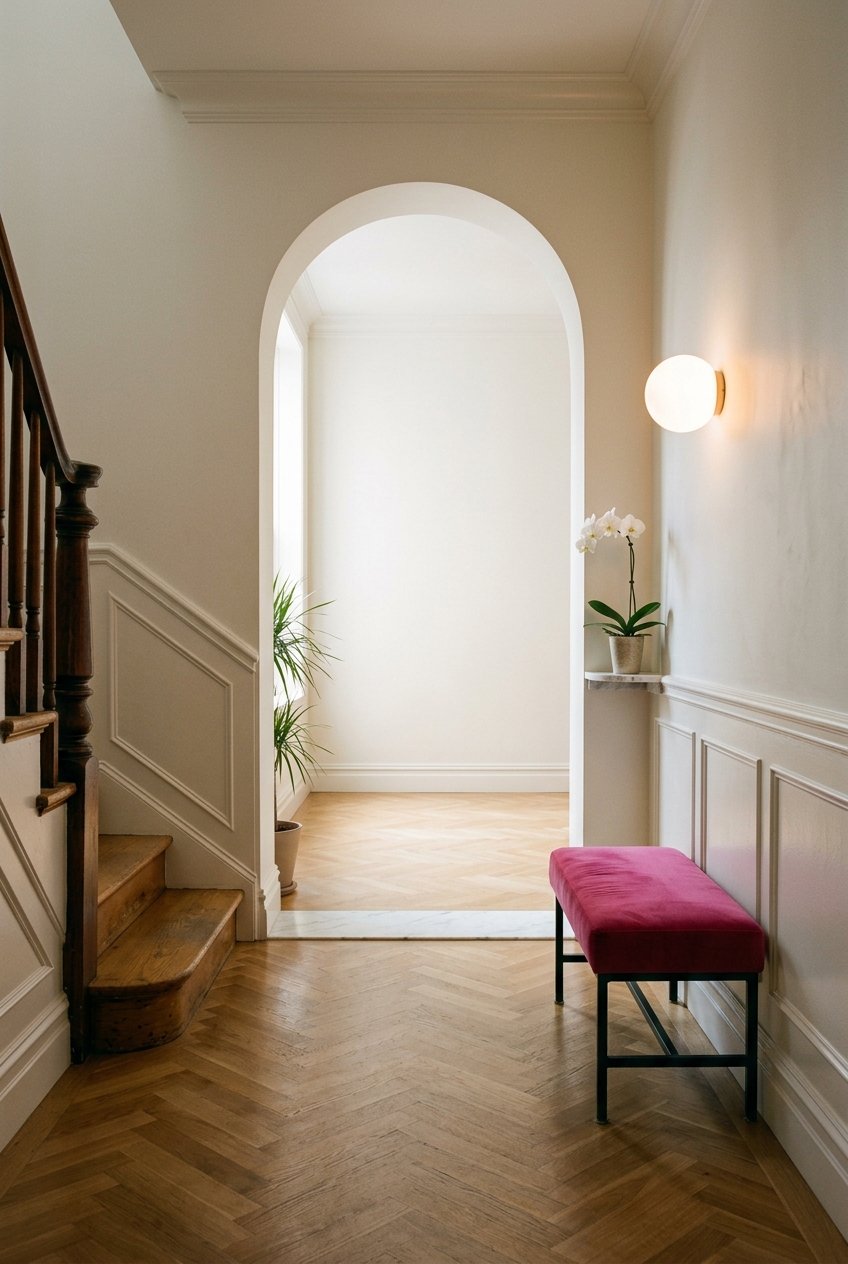
Rowhouses and greystones are narrow and tall, with stacked rooms and an architectural staircase that often becomes a centerpiece. You may find coffered ceilings, transom windows, and period fireplaces.
Design strategies that work well:
- Vertical zoning: dedicate upper floors to private bedrooms and workspaces, and keep the main level for living and entertaining.
- Preserve the stars: highlight stair balusters, leaded glass, and mantels with thoughtful lighting and paint.
- Light interventions: consider selective wall openings or a skylight where allowed to borrow light from above, while keeping structure intact.
- Thoughtful kitchens: place a modern kitchen at the rear or garden level to preserve formal rooms and circulation.
Luxury condos and high-rises: open plans and views
Newer mid- and high-rise condos lean modern, with wide living areas, large windows, and contemporary kitchens. Amenities like storage lockers, bike rooms, and gyms reduce what you need in-unit.
Design strategies that work well:
- Minimalist foundation: use clean lines, neutral palettes, and statement lighting that complement the architecture.
- Add warmth: layer texture with rugs, window treatments, and textiles so the space feels curated rather than showroom-like.
- Define zones: use area rugs, consoles, and sofa placement to create living, dining, and office areas within an open plan.
- Balance light and privacy: choose window treatments and privacy films that soften glare while keeping views.
Single-family homes and townhomes: room to evolve
Detached or semi-detached homes typically offer more square footage, multiple levels, and small yards or terraces. Basements often become bonus living areas.
Design strategies that work well:
- Transitional comfort: blend a historic exterior with fresh interiors, like clean kitchen lines and integrated tech.
- Purposeful lower and upper levels: finish basements as media rooms or gyms, and convert attics into guest suites or offices.
- Indoor-outdoor flow: connect kitchens to decks or terraces for easy entertaining, and design landscaping that delivers impact in compact yards.
- Systems upgrades: improve insulation, windows, and HVAC for comfort and efficiency while renovating.
Lofts and conversions: flexible, industrial cool
Converted factories, schools, and boutique buildings can offer soaring ceilings, exposed brick, and large windows. Storage is usually the first design puzzle to solve.
Design strategies that work well:
- Industrial-meets-warmth: keep exposed beams or brick, then add soft textiles and layered lighting for balance.
- Zones without walls: define living, dining, and sleeping areas with rugs, screens, and furniture placement.
- Built-in solutions: add custom closets and partitions that respect the open feel while delivering real function.
Practical rules and approvals to know
- Permits and historic districts: Exterior changes in landmark or locally designated districts usually require review by the Commission on Chicago Landmarks. Interior changes are typically unregulated unless they affect the exterior or designated public spaces. Structural, electrical, plumbing, HVAC work, and many window replacements require permits. Always verify before you start.
- HOA and co-op rules: Expect bylaws related to quiet hours, flooring, and approvals for in-unit work that may impact plumbing or electrical systems. Review meeting minutes and reserve studies to spot upcoming building projects that could affect your plans.
- Structure and layout: Many older buildings rely on masonry bearing walls. Opening rooms often requires an engineer and permits. Historic staircases and floor load limits in some conversions need professional evaluation.
Mechanicals, comfort, and logistics
- Heating and cooling: Older buildings may have radiator or steam heat and lack central air. Adding central AC in masonry structures can be more complex. Plan for ventilation and electrical capacity in kitchens and laundry areas.
- Basements and moisture: In homes with basements, confirm waterproofing and ventilation history before finishing a space.
- Access and moving: Walk-ups and narrow rowhouses can make furniture delivery challenging. Condos with elevators simplify moves but may have freight elevator rules and scheduling.
- Garages and alleys: Alley access and curb cuts influence what you can do with parking, garages, or additions.
Design that supports your lifestyle
Lincoln Park’s park access, lakefront trails, and urban amenities work hand in hand with a thoughtful interior plan.
- Entry and gear: Create easy-care entry zones with durable flooring and storage for bikes and outdoor gear.
- Entertaining: With many dining options nearby, some buyers prefer flexible living spaces over large formal dining rooms. A well-equipped kitchen and adaptable seating can be more useful.
- Work from home: Plan for a dedicated desk zone, quiet nooks, and strong connectivity.
- Scale and furniture: Narrow rooms call for right-sized pieces, modular seating, and sleek dining tables that maintain flow. Newer condos with expansive glass look best with low-profile furniture that does not block views.
- Noise and privacy: Use rugs, drapery, and sound-absorbing panels to temper urban noise. Choose glazing and treatments that improve comfort without darkening rooms.
- Aging in place: If stairs are a concern, consider a condo with elevator access or plan for a main-floor suite or lift in multi-level homes.
Aesthetics, resale, and sustainability
Design that respects original features tends to hold broad appeal. Retaining mantels, stair details, and original floors while updating kitchens and baths keeps homes current without losing character. Highly personalized finishes are fine when well executed, but consider flexibility if resale is a near-term goal.
You can also improve comfort and value with energy-focused upgrades. Insulation, compatible window improvements in historic contexts, efficient HVAC, and LED lighting reduce operating costs and support everyday comfort.
Shop smart: a quick checklist
- Confirm permit needs for structural, mechanical, and window work before you renovate.
- For condos or co-ops, review bylaws, alteration policies, meeting minutes, and reserve studies.
- Identify heating and cooling type and electrical capacity, especially for kitchen upgrades or EV charging in garages.
- Evaluate basements for moisture solutions and ventilation before finishing spaces.
- Understand access constraints for deliveries and contractor logistics.
- Ask about landmark or local district status if you plan exterior changes.
- Prioritize storage strategies that add function without closing in space.
- Match finishes to building character so the home feels cohesive.
Work with a design-minded broker
Choosing the right Lincoln Park home is part aesthetics, part logistics. You want a plan for layout, storage, light, and systems before you buy, not after the closing. With formal interior-design training, staging and renovation experience, and full-service brokerage resources, Julie guides you from vision to execution so your home looks great and works beautifully.
Ready to tour homes and build your design plan at the same time? Connect with Julie Latsko for a complimentary valuation and design-focused consultation tailored to Lincoln Park.
FAQs
Which Lincoln Park homes have the most original detail?
- Brownstones, greystones, and vintage walk-ups often retain moldings, mantels, staircases, and other period features, with tradeoffs in storage and plan openness.
Are condos easier to customize than older houses?
- Condos allow straightforward cosmetic updates but can be limited by HOA rules. Single-family homes permit deeper structural changes but usually at higher cost and longer timelines.
How can I modernize a historic kitchen or bath without losing charm?
- Keep visible millwork and mantels, place new kitchens in less prominent rooms, choose neutral cabinetry, and use tile and hardware that complement original details.
What should I review before buying if I plan a renovation?
- Check building documents, permit history, capital improvements, potential landmark status, and any known mechanical or structural issues that could affect your scope.
Are Lincoln Park floor plans small, and how do I maximize space?
- Many older units have modest footprints. Emphasize built-in storage, multifunctional furniture, and light-enhancing finishes to make rooms feel larger.
Do interior changes need landmark approval in Lincoln Park?
- Landmark review usually focuses on exteriors and designated public interiors. Interior work that does not affect protected elements typically proceeds without landmark approval, but confirm first.