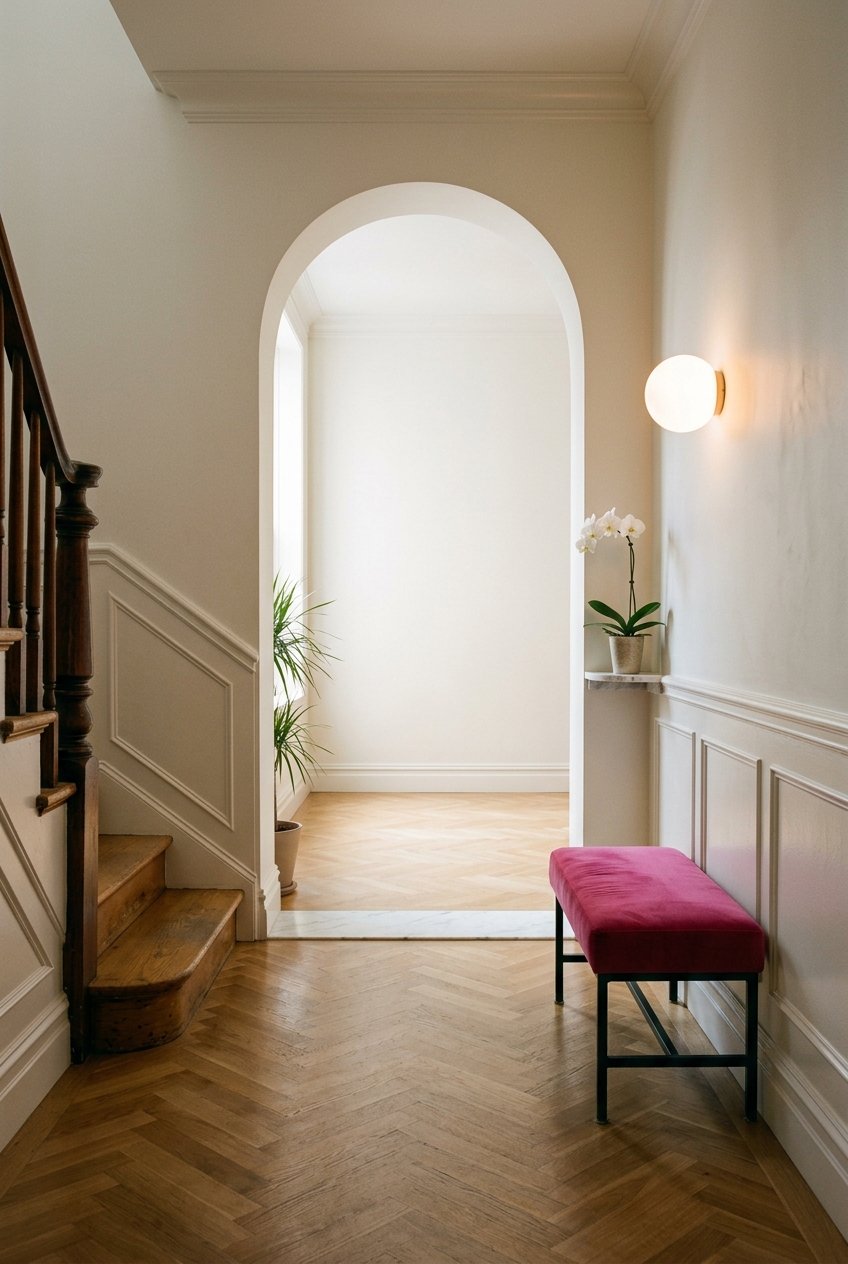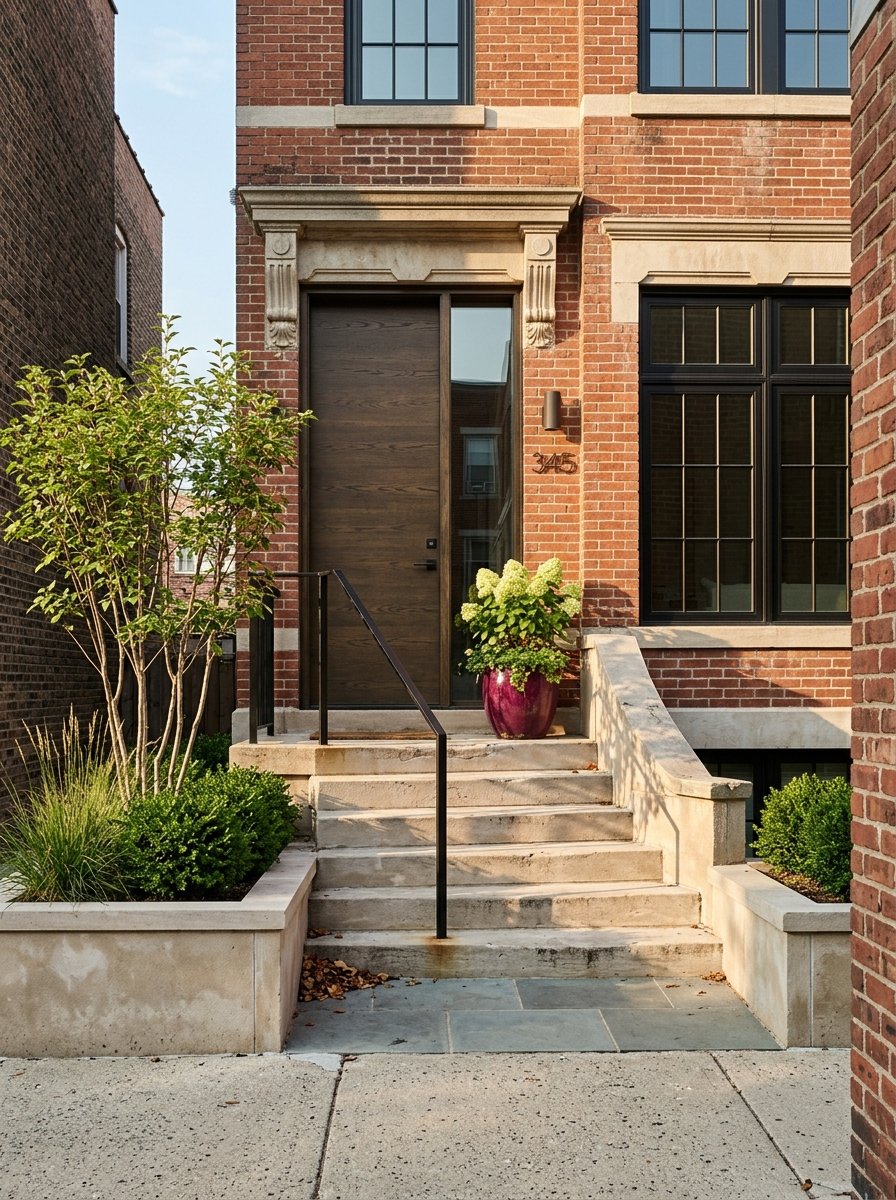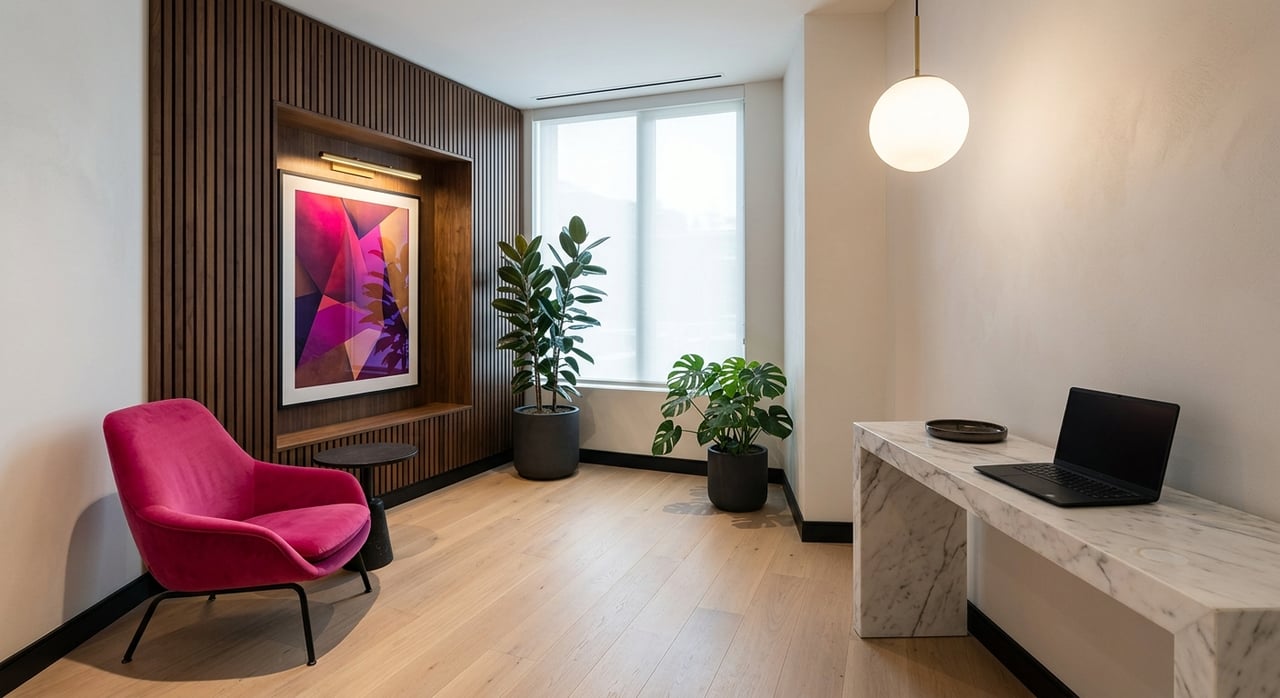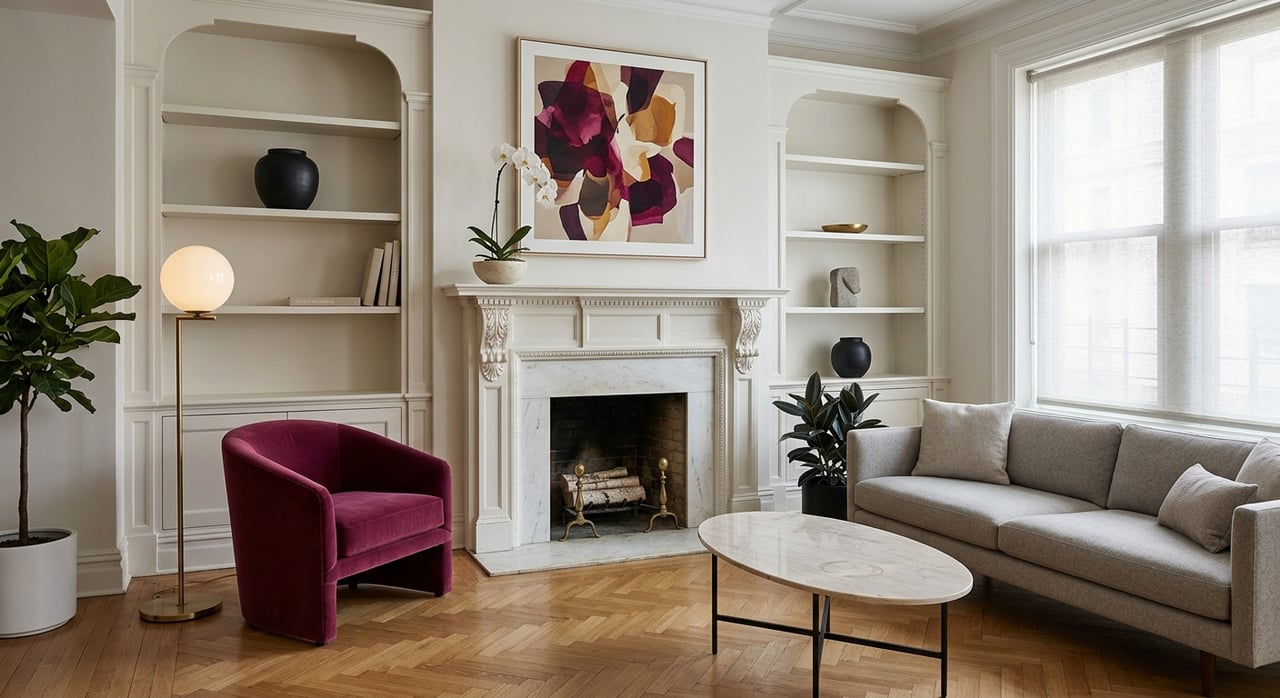
Wondering how to make a classic Gold Coast home feel fresh to today’s buyer without stripping away the details that make it special? You are not alone. Selling in one of Chicago’s most architecturally distinctive neighborhoods takes a different approach than listing a newer condo, and the right staging plan can help buyers see both the character and the livability of your space. In this guide, you’ll learn how to stage a classic Gold Coast home for modern expectations while protecting what gives it value. Let’s dive in.
Why Gold Coast Staging Needs A Different Approach
Classic Gold Coast homes often come with the features buyers love most about the neighborhood: historic architecture, original millwork, fireplaces, built-ins, and gracious room proportions. At the same time, many of these homes were designed long before today’s open-concept preferences, which can mean smaller kitchens, more defined rooms, and layouts that need thoughtful presentation.
That is especially true in a neighborhood shaped by late 19th-century homes, early 20th-century apartment buildings, and prewar residences that still carry their original design language. In these properties, staging works best when it helps buyers understand the space clearly rather than trying to make the home feel like a brand-new high-rise.
The goal is simple: highlight the architecture, improve flow, and create a calm, current feel. When done well, staging helps buyers appreciate the home’s history while still seeing how they would live there now.
What Buyers Notice First
Staging matters because it helps buyers form an emotional connection quickly. According to the research, 83% of buyers’ agents said staging made it easier for buyers to picture the property as their future home. That matters even more in Gold Coast, where homes often have one-of-a-kind details that need to be presented with intention.
The same data shows that the rooms with the biggest impact are the living room, primary bedroom, and kitchen. Sellers’ agents also most often stage the dining room, which makes sense in older homes where formal entertaining spaces still play an important role in the floor plan.
Today’s buyers also evaluate homes through screens before they ever step inside. Photos were rated highly by 73% of buyers’ agents, followed by physical staging, video, and virtual tours. That means your home does not just need to feel good in person. It needs to read clearly and beautifully in listing media too.
Prioritize The Most Important Rooms
If you are deciding where to invest time and budget, focus first on the spaces buyers notice most. In a classic Gold Coast home, that usually means the living room, primary bedroom, kitchen, and dining area.
These rooms shape a buyer’s first impression of comfort, scale, and daily function. By contrast, guest bedrooms tend to matter less in staging decisions, so they usually do not need the same level of styling or expense.
A strong room-by-room priority list often looks like this:
- Living room: emphasize light, seating flow, and architectural focal points
- Primary bedroom: create a restful, spacious feel with simple, tailored styling
- Kitchen: make it look bright, efficient, and current
- Dining room: show clear purpose and easy entertaining potential
- Secondary bedrooms: keep neat, minimal, and flexible
Let Architecture Lead The Room
In Gold Coast, the home itself is often part of the sale story. Original moldings, fireplace surrounds, built-ins, ceiling height, and window lines should stay visible and easy to read.
That means staging should never compete with the architecture. Instead of filling every surface with accessories or layering the room with too many small pieces, use fewer, larger items that frame the space and guide the eye toward its best features.
A living room, for example, often performs best when seating is centered around a fireplace, a tall window wall, or standout millwork. This helps the room feel intentional and also gives buyers a clear understanding of how the space functions.
Use The Right Furniture Scale
One of the most common staging mistakes in older homes is using furniture that is too large. Oversized sectionals, heavy dining sets, and bulky storage pieces can make a classic room feel tighter and more awkward than it really is.
Instead, choose furnishings that fit the room and preserve open circulation. In many prewar homes, a lighter layout with clean sightlines will make the home feel larger, more elegant, and easier to navigate.
A few practical staging moves can make a big difference:
- Remove extra chairs or side tables that block pathways
- Use a properly scaled sofa instead of a deep sectional
- Float furniture when needed to improve flow
- Leave breathing room around fireplaces, built-ins, and windows
- Keep entry points and walkways open for photography and tours
Make Cosmetic Updates Count
You do not always need a full renovation to improve presentation. In many classic Gold Coast homes, targeted cosmetic work creates a stronger visual payoff than a major remodel done just before listing.
Fresh neutral paint, repaired trim, polished floors, updated lighting, simplified window treatments, and deep cleaning often go a long way. These changes help the home feel brighter, better maintained, and more move-in ready while still respecting its original character.
This is where a phased plan can be especially helpful. Compass Concierge can cover services such as staging, flooring, painting, deep-cleaning, decluttering, cosmetic renovations, and kitchen improvements, which can help sellers prepare strategically before going to market.
Refresh The Kitchen Without Forcing It
In many older Gold Coast properties, the kitchen may be more compact than what buyers see in newer construction. That does not automatically mean you need a full gut renovation.
Since the kitchen is important but still ranks behind the living room and primary bedroom in buyer priority, a targeted refresh can often be the smarter move. If the layout works, focus on making the kitchen feel clean, functional, and current rather than trying to disguise the age of the home.
That may mean:
- Clearing counters completely or nearly completely
- Updating lighting for a brighter look
- Refining paint and hardware where appropriate
- Deep cleaning every surface
- Styling with a few simple, modern accents
The goal is not to pretend it is a different house. The goal is to present the kitchen honestly and attractively within the context of a classic Gold Coast home.
Blend Old Bones With Fresh Styling
The most effective Gold Coast staging usually strikes a balance between historic character and modern simplicity. Buyers tend to respond well when a home feels timeless rather than heavily themed.
A restrained palette, contemporary art, and a few stronger statement pieces usually work better than rooms filled with small decorative items. One or two vintage pieces can complement a cleaner-lined interior, but the space should still feel current and easy to live in.
Think of it as old bones, fresh styling. That approach helps preserve the identity of the home while broadening its appeal to modern buyers.
Plan Early If Exterior Work Is Involved
If your home is in a landmark district, timing matters. The City of Chicago states that the Landmarks Commission reviews proposed alterations, demolition, or new construction affecting landmarks and landmark-district properties as part of permit review.
For many landmark-district properties, the significant features typically involve exterior elevations visible from the public right-of-way. Routine maintenance such as painting and minor repairs does not require a building permit, but exterior changes, window work, or facade-related updates should be considered early in your prep timeline.
That is one reason interior staging is often the easier and faster part of the pre-listing process. If exterior work may be needed, it helps to identify it as soon as possible so your launch schedule stays realistic.
A Smart Pre-Listing Sequence
When you are preparing a classic Gold Coast home for market, order matters. The strongest results usually come from a clean sequence that improves presentation before photography and showings begin.
A practical approach often looks like this:
- Declutter early so rooms feel larger and easier to style
- Complete repairs and paint before any final design work
- Polish floors and deep clean to improve overall finish
- Stage the priority rooms first including the living room, primary bedroom, kitchen, and dining area
- Photograph after staging so the listing media captures the home at its best
- Launch only when the presentation is cohesive across photos, video, tours, and showings
Compass also notes that sellers may begin with Private Exclusives or Coming Soon while the home is being prepared, then go live once the work is complete. For sellers with a 6- to 12-month runway, that can create useful flexibility.
Why Historic Character Is An Asset
Some sellers worry that older details will limit appeal. In Gold Coast, the opposite is often true. Historic character is part of what makes these homes stand out.
The City of Chicago notes that landmark status can enhance prestige, and studies generally have not shown a negative impact on property values. For your listing, that supports a strategy built around presentation, preservation, and clarity rather than removal of original features.
In other words, you do not need to erase the home’s identity to attract modern buyers. You need to help buyers see how beautifully that identity fits into modern living.
If you are preparing to sell a classic Gold Coast home, the right plan can make all the difference. With thoughtful staging, strategic updates, and a design-led marketing approach, you can present your home in a way that feels current, compelling, and true to its architecture. If you want expert guidance on what to update, what to keep, and how to position your home for today’s market, connect with Julie Latsko.
FAQs
What rooms matter most when staging a Gold Coast home for sale?
- The living room, primary bedroom, kitchen, and dining area usually deserve the most attention because buyers and agents tend to prioritize those spaces most.
Should you renovate the kitchen before selling a classic Gold Coast home?
- Not always. If the layout works, a targeted refresh such as paint, lighting, cleaning, and light cosmetic improvements may be more practical than a full remodel.
Should original millwork be removed before listing a historic Gold Coast home?
- Usually no. Original architectural details are often part of the home’s appeal, so staging should highlight them instead of hiding them.
Do secondary bedrooms need full staging in a Gold Coast listing?
- Usually not. Research shows guest bedrooms are lower priority, so most sellers get better results by focusing their budget on public rooms and the primary suite.
Can you make exterior changes easily on a Gold Coast landmark property?
- Not always. In Chicago landmark districts, certain exterior changes may require review as part of the permit process, so it is smart to plan any facade or window work early.