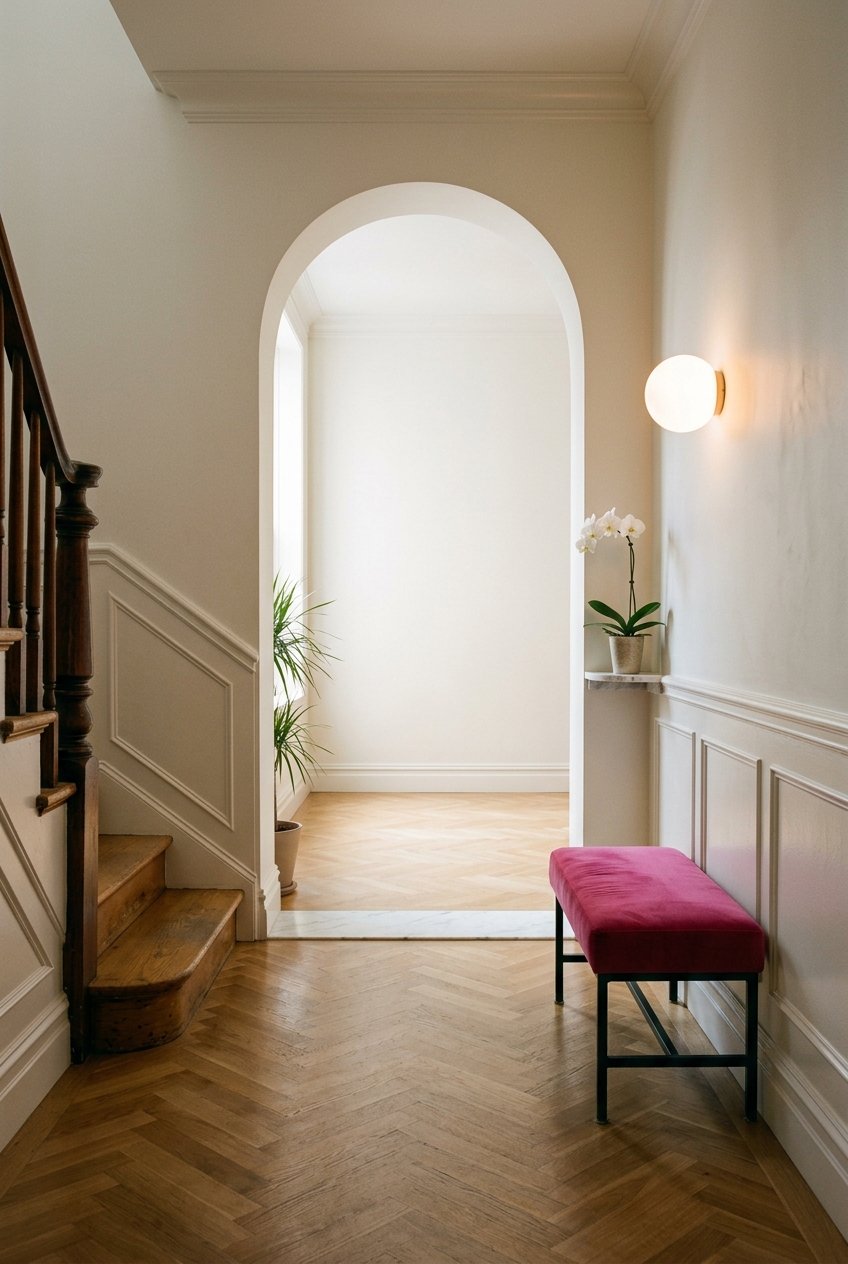
Wondering whether Old Town new construction or a vintage home is the better fit for your next move? In this part of Chicago, that choice is about more than age alone. You are often weighing turnkey convenience against historic character, plus the realities of condo disclosures, landmark rules, and long-term upkeep. If you want a clearer way to compare both options in Old Town, this guide will help you focus on what matters most. Let’s dive in.
Old Town housing has two distinct paths
Old Town offers a mix that is hard to confuse with most other Chicago neighborhoods. Its vintage identity is closely tied to the Old Town Triangle District, which the City of Chicago designated as a landmark district in 1977. The area dates back to the 1850s and includes historic brick and stone buildings that were rebuilt after the Great Fire of 1871.
That history matters when you shop here. In Old Town, “vintage” can mean genuine historic fabric, including older frame residences, row-houses, and classic masonry buildings, not just an older condo with dated finishes. On the other side, true new construction exists, but it is a much smaller slice of the neighborhood’s inventory.
Current market snapshots show a competitive but active market. Redfin reported a median sale price of $473,000 for the three months ending March 2026, with median days on market of 49 and a sale-to-list ratio of 100.1%. Realtor.com reported a median listing price of $529,000, around 40 active listings, and a 104% sale-to-list ratio in May 2026.
New construction remains limited. Redfin’s new-home page showed only seven new homes for sale in Old Town, which means buyers looking for a brand-new option may have fewer choices and less room to wait for the perfect unit.
What new construction offers in Old Town
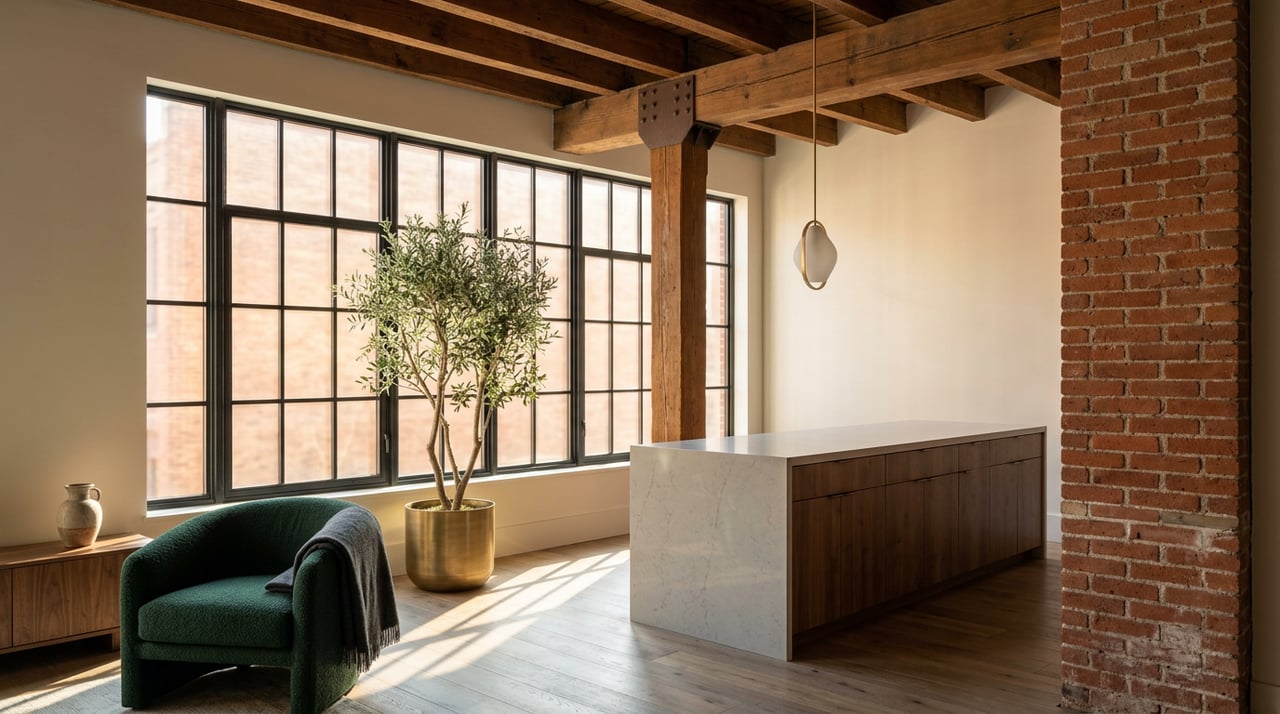
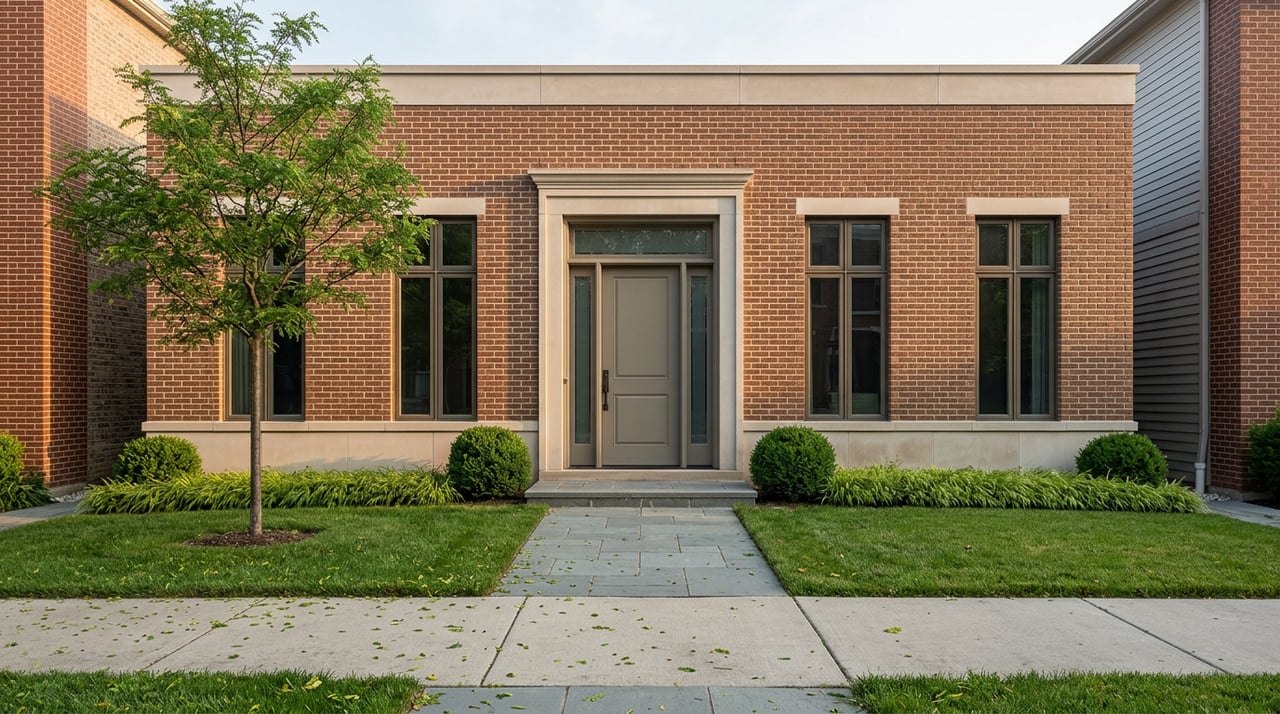
If you want a home that feels move-in ready from day one, new construction often checks that box. In Old Town, newer condos commonly emphasize open layouts, large windows, updated kitchens, and lower immediate project needs. That can be especially appealing if you want to avoid spending your first year coordinating contractors.
A recent listing at 1543 N. Wieland shows the typical profile of this segment. The building is a boutique elevator property built in 2023, with features like private elevator access from an attached heated garage, Wolf and Sub-Zero appliances, custom cabinetry, quartz finishes, large glass doors, and a private covered terrace. That kind of package speaks to buyers who value convenience, privacy, and contemporary design.
Other modern condos in the neighborhood show similar priorities. Common features include 10-foot ceilings, floor-to-ceiling windows, split floor plans, in-unit laundry, roof decks, garage parking, and in some cases doorman or full-amenity living. If your daily routine depends on efficiency, these details can make a real difference.
Why buyers choose newer homes
New construction tends to attract buyers who want a simpler transition. You may be able to spend less time thinking about cosmetic upgrades, layout changes, or replacing older finishes right away. That can be a strong advantage if you are balancing a busy work schedule, downsizing, or buying a city home that needs to function well immediately.
You may also prefer the way newer homes use space. Open kitchens, larger primary suites, and integrated outdoor areas often feel more aligned with current lifestyle needs. In a neighborhood where parking can be a major factor, garage access can also carry everyday value.
What vintage homes offer instead
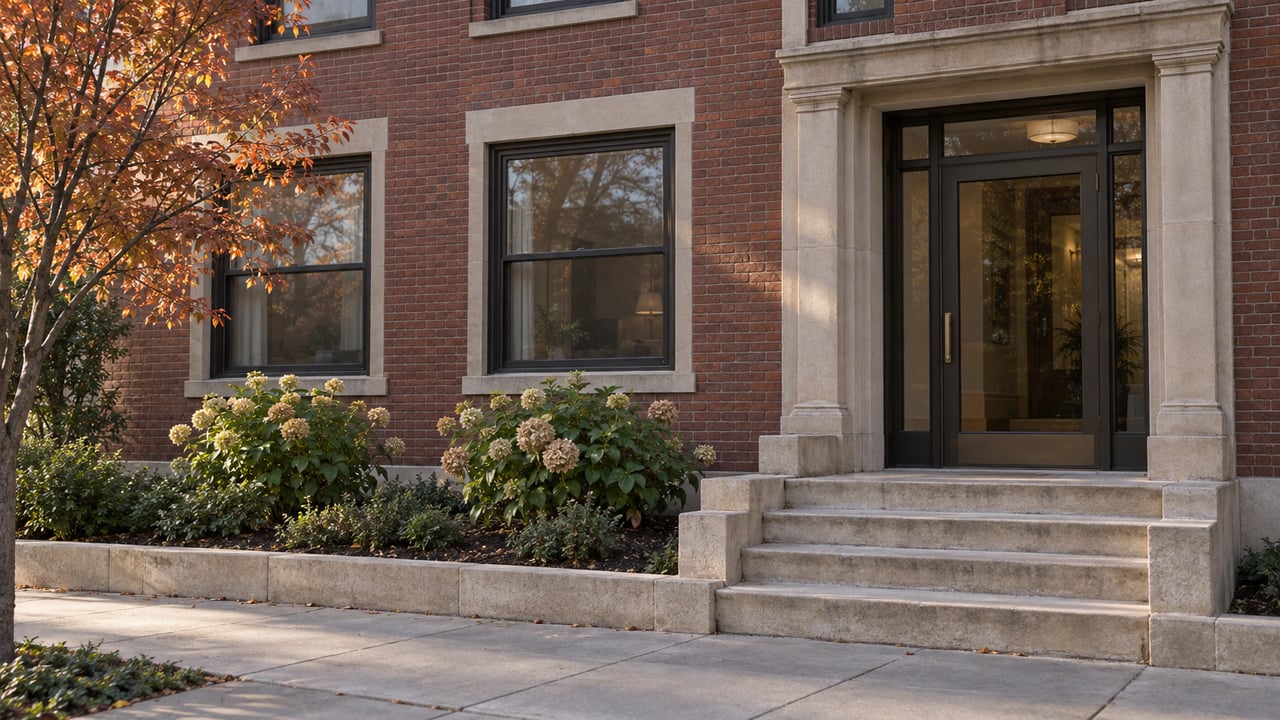
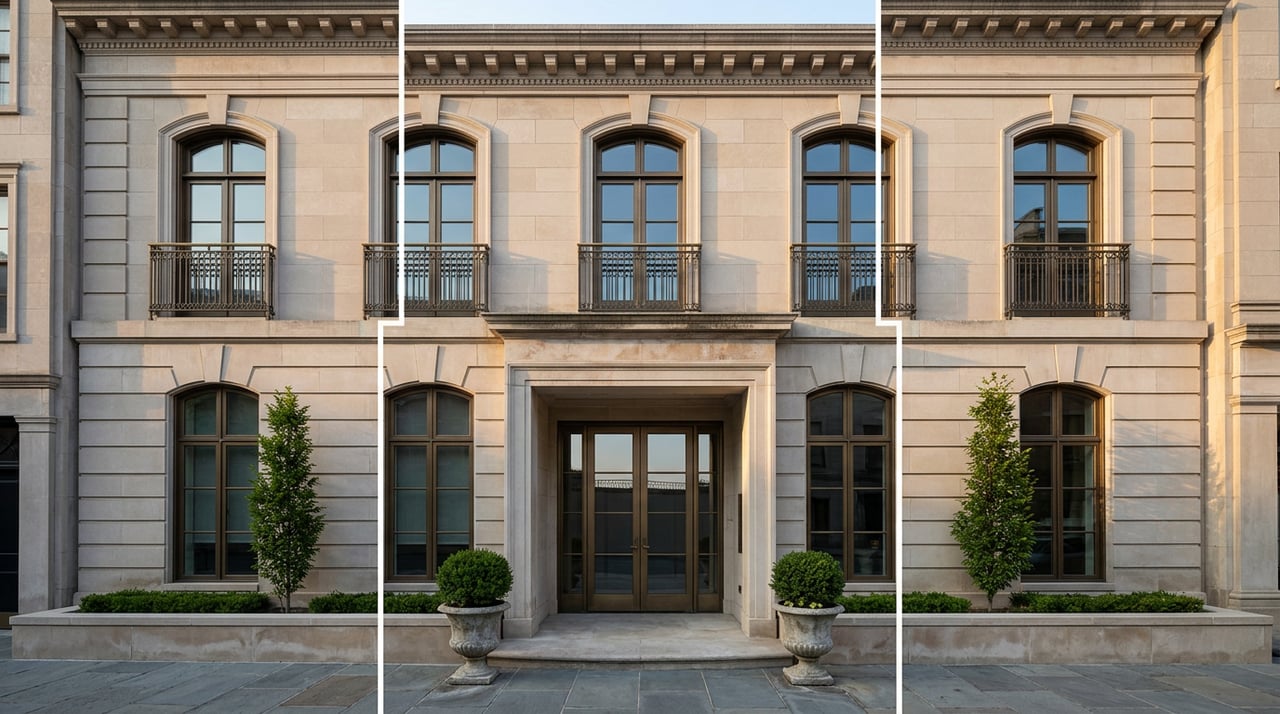
Vintage homes in Old Town deliver something that new construction usually cannot replicate. They often come with architectural character, classic masonry, and a streetscape that feels deeply rooted in Chicago’s history. For many buyers, that sense of place is the whole point of living in Old Town.
The Chicago Architecture Center notes that late-Victorian homes often featured pocket doors and more separated rooms. It also describes courtyard buildings from the 1890s through the Great Depression as three- to four-story brick buildings arranged around a central garden, often with separate entrances and more light and privacy.
Two-flats and three-flats, commonly built between 1900 and 1918, were typically constructed in brick or stone and often included bay windows and narrow gangways. These forms are part of what gives older Chicago housing its distinct visual identity. In Old Town, that can translate into homes that feel more detailed, more individual, and less interchangeable.
Why buyers choose vintage homes
You may be drawn to vintage stock if you care about craftsmanship and original character. Older homes often offer details and proportions that create a very different living experience from a newer condo. Even when the layout is more compartmentalized, some buyers see that as charm rather than compromise.
Vintage properties can also feel more connected to the neighborhood’s historic streetscape. If your priority is living in a home that reflects Old Town’s established identity, an older building may align better with that goal than a newly built unit.
Layout and lifestyle differences matter
One of the biggest differences between new construction and vintage homes is how they live day to day. Newer homes usually favor open flow, fewer barriers between rooms, and modern entertaining space. Vintage homes often reflect an earlier approach, with more defined rooms and a less open plan.
Neither is automatically better. It depends on how you use your space. If you work from home, host often, or want a lock-and-leave setup, a newer condo may suit you well. If you value separation between rooms, architectural detail, and a stronger sense of history, vintage may feel more satisfying.
From a design perspective, this is where honest comparison matters. A beautiful kitchen or restored millwork can catch your eye, but your long-term happiness often comes down to how the floor plan supports your routine.
Renovation flexibility may not be the same
In Old Town, vintage charm can come with extra layers of review. The City of Chicago says its Landmarks Commission reviews proposed alterations, demolitions, or new construction affecting individual landmarks or properties in landmark districts. Since the Old Town Triangle District is landmarked, that framework can shape what changes are possible.
That does not mean you cannot update a vintage home. It means your renovation path may be influenced by landmark status in addition to any condo association rules. If you are considering an older property because you plan to redesign it over time, this is a practical issue to understand early.
Newer buildings may feel more straightforward on this front, but association rules still matter. Before you assume a project is simple, it is worth understanding what approvals may be required in either type of property.
Condo due diligence matters in both options
Whether you buy new construction or vintage, condo documents deserve careful attention. Under Illinois condo law, boards must prepare annual budgets and provide reasonable reserves for capital expenditures and deferred maintenance. In a sale, sellers must also disclose key documents and financial information, including the declaration, bylaws, projected operating budget, monthly charges, and reserve information.
That means association health is not a side issue. It is central to your decision. A sleek new building can still have meaningful monthly costs or reserve questions, and an older building may be well-run and financially steady.
What to compare before you decide
When you evaluate an Old Town condo, focus on more than finishes alone. A smart side-by-side review should include:
- Monthly HOA dues
- Reserve funding
- Annual budget details
- Age and condition of major systems
- Rules affecting alterations or improvements
- Any building-specific disclosures provided in the resale package
These details help you understand the real cost of ownership. They also give you a better read on how the building may support resale later.
Lead paint is a real consideration in older homes
If you are considering housing built before 1978, lead-based paint should be part of your due diligence. The EPA says homes built before 1978 are more likely to contain lead-based paint, and buyers and renters of most pre-1978 housing have the right to know about lead-based paint hazards before signing.
That matters in Old Town because much of the older housing stock predates 1978 by decades. This does not mean every vintage home has a problem, but it does mean you should treat the disclosure process seriously and ask clear questions when evaluating an older property.
Resale can favor different strengths
From a resale standpoint, both categories have appeal, but they attract different buyers. New construction is often easier to market to people who want elevators, parking, modern kitchens, and fewer near-term projects. Vintage homes tend to appeal to buyers who prioritize architectural identity and a preserved historic setting.
In other words, resale strength is often about matching the product to the buyer pool. A well-positioned newer condo may stand out because of convenience, while a thoughtfully presented vintage home may stand out because of character. In either case, presentation and pricing still matter.
This is where design judgment can become valuable. When you know how to highlight what buyers already want from each category, you can create a clearer story around the home’s value.
How to choose the right fit for you
If you are deciding between Old Town new construction and a vintage home, start with your non-negotiables. Think about whether you care more about layout efficiency, garage parking, and a turnkey feel, or about original character, classic masonry, and a historic streetscape.
A practical way to frame the choice is simple:
- Choose new construction if you want modern layouts, garage access, private outdoor space, and fewer immediate repair concerns.
- Choose vintage if you value landmark-era character, classic Chicago architecture, and a more established visual identity.
- In either case, compare HOA dues, reserve funding, and the age of major systems before focusing on finishes.
The best choice is usually not about what is objectively better. It is about which kind of home fits the way you want to live in Old Town now, and what you want that investment to look like over time.
If you want help comparing specific Old Town listings through both a market and design lens, Julie Latsko can help you evaluate character, condition, and long-term value with a clear local strategy.
FAQs
What is the main difference between new construction and vintage homes in Old Town?
- New construction usually offers modern layouts, newer finishes, and conveniences like garage parking or elevator access, while vintage homes often offer more historic character, classic masonry, and a stronger connection to Old Town’s established streetscape.
Are there many new construction homes for sale in Old Town?
- No. Redfin’s new-home page showed only seven new homes for sale in Old Town, which suggests that true new construction is a limited part of the neighborhood’s housing supply.
Do vintage homes in Old Town have renovation restrictions?
- Some may. The City of Chicago says changes affecting landmarks or properties in landmark districts can be subject to review by the Landmarks Commission, and condo association rules may also affect what updates are allowed.
What condo documents should you review when buying in Old Town?
- You should review the declaration, bylaws, projected operating budget, monthly charges, reserve information, and other resale disclosures required under Illinois condo law.
Should you worry about lead-based paint in an Old Town vintage home?
- If the home was built before 1978, lead-based paint is a due diligence item. The EPA says pre-1978 homes are more likely to contain lead-based paint, and buyers have the right to receive disclosure information before signing.
Which type of home may be easier to resell in Old Town?
- It depends on the buyer audience. Newer homes often appeal to buyers who want convenience and fewer near-term projects, while vintage homes often attract buyers who value architectural character and a historic setting.