If you love the South Loop, you have a classic Chicago choice to make: the sleek, glass-and-steel condo or the brick-and-timber loft with history and character. Both can be excellent options, yet they live differently and carry different ownership costs over time. You might be weighing privacy and amenities against soaring ceilings and open space, or wondering which path will hold value best.
In this guide, you’ll see how new-construction condos compare to historic lofts across layout, finishes, amenities, sound, HOA costs, and resale considerations. You’ll also get a building-level due-diligence checklist used by experienced South Loop agents, plus tips to match your lifestyle to the right building type.
Let’s dive in.
South Loop market snapshot (Feb 2026)
As of February 2026, Redfin reports a South Loop median sale price around $379,500 and a median price per square foot in the low-to-mid $300s. Typical days on market range from about 70 to 100 days depending on the micro area and building type. These are neighborhood-level numbers, so your best guide for value is still recent sales in the same building.
The South Loop remains a live-work-play hub with big development energy. Large, design-forward towers like the Helmut Jahn–designed 1000M showcase the modern amenity model and skyline views that command premiums in recent coverage. Nearby, long-horizon plans around The 78 and new stadium concepts continue to evolve, which can shift supply, foot traffic, and micro-location value over time as reported. In short, it is a mixed market where modern towers sit next to boutique loft buildings. Building-level due diligence is essential.
New construction vs. historic lofts: how they live
Layout and flow
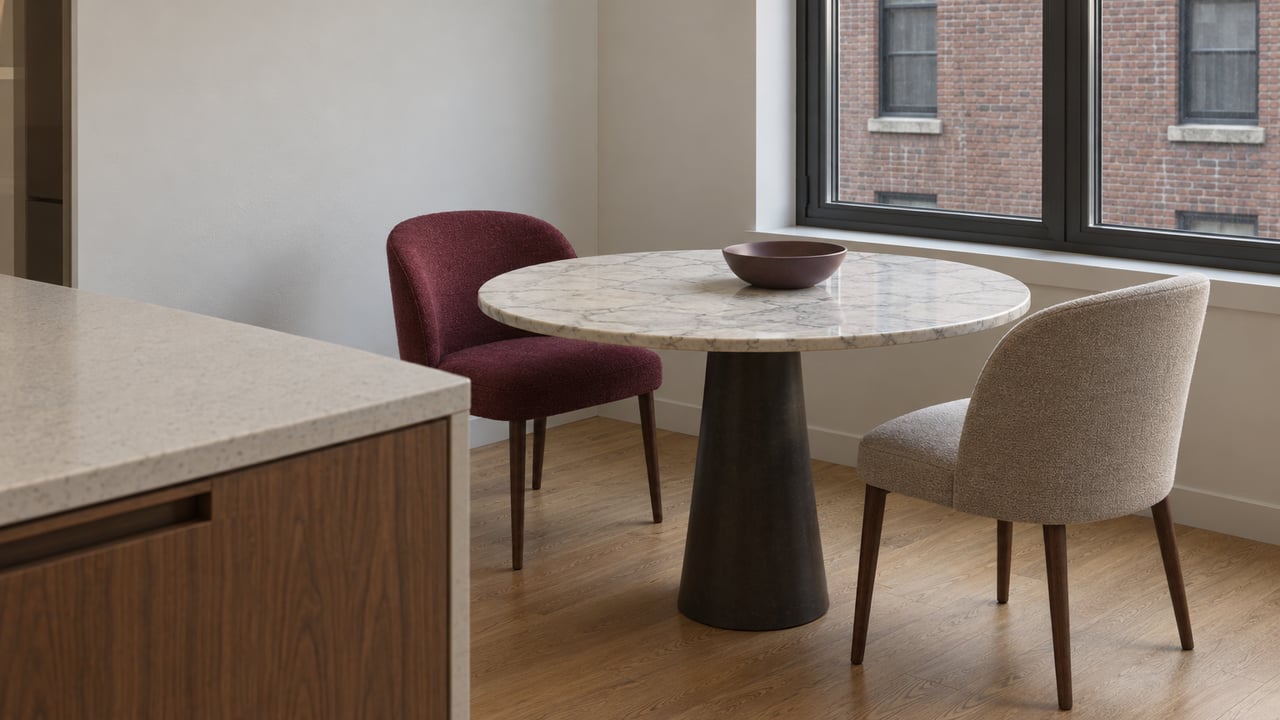
New-construction condos usually offer efficient 1 to 3 bedroom layouts with clear room separation, modern kitchen islands, and in-unit laundry. Mechanical systems and life safety features are standardized to meet current codes in most newer towers, which helps day-to-day comfort and maintenance planning. Many of these buildings are part of larger, amenity-rich developments that support modern living across Chicago’s new high-rises.
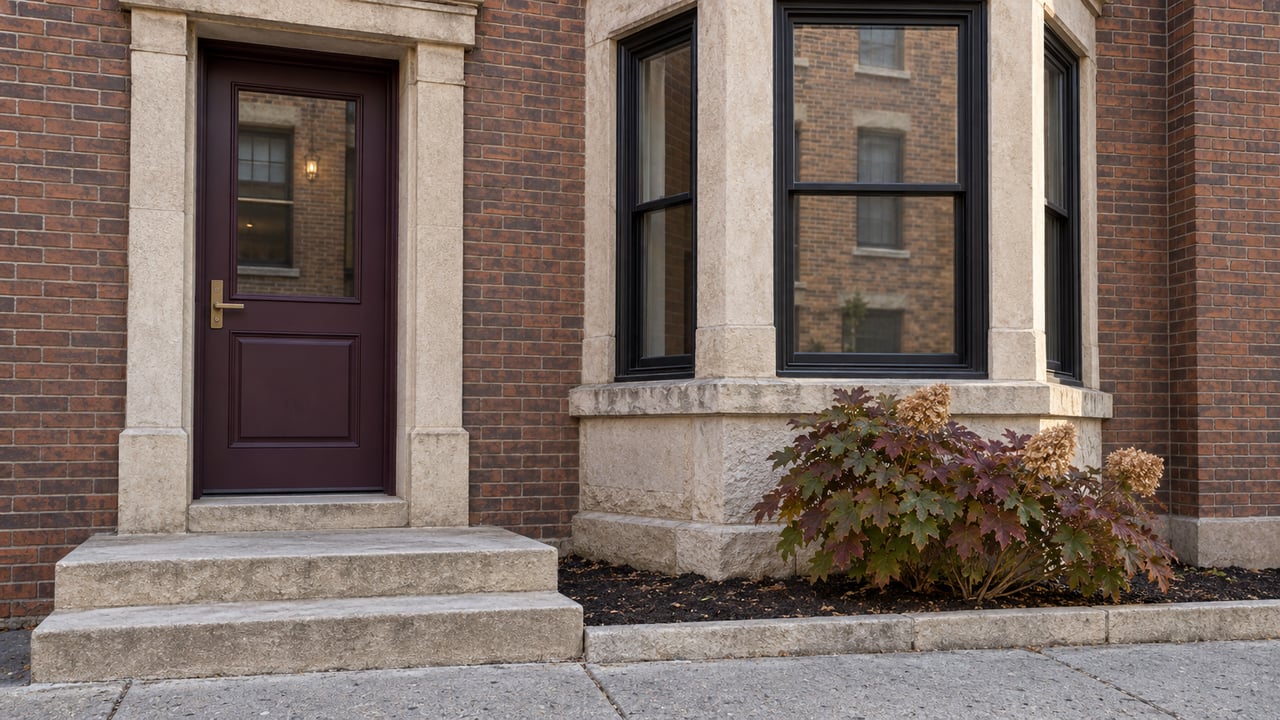
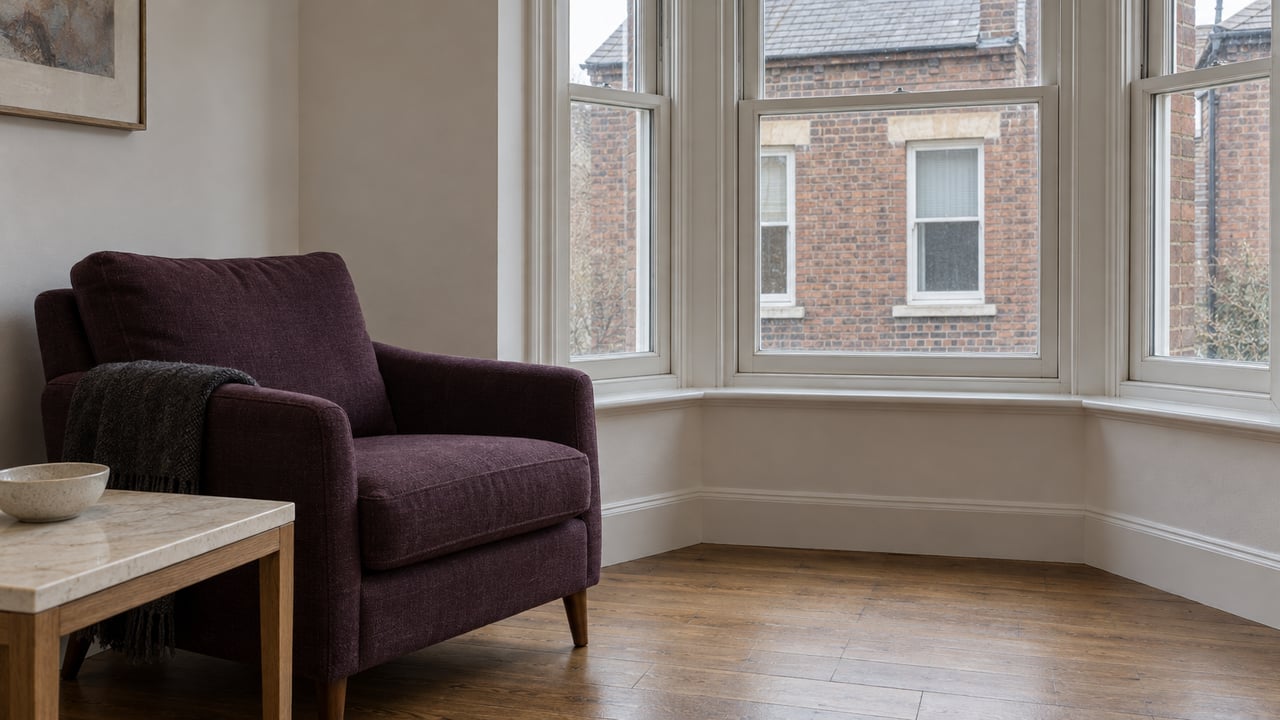
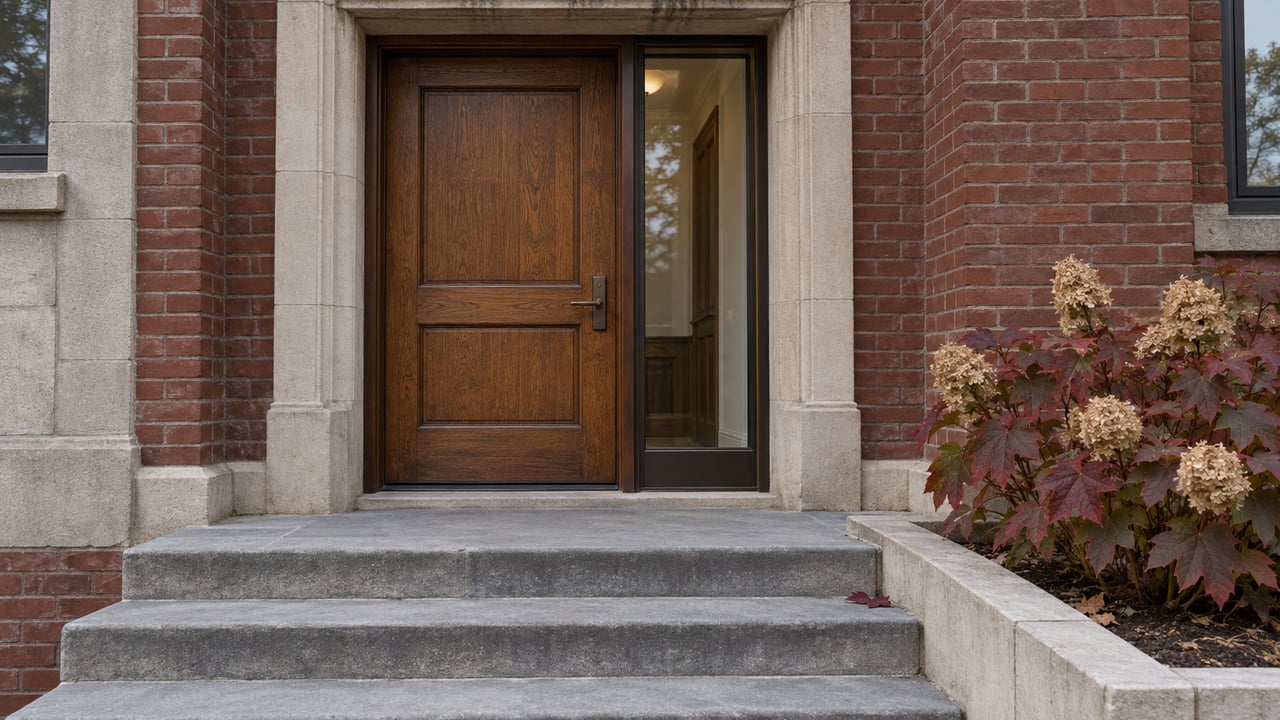
Historic lofts often deliver big, open plans with 9 to 12-plus foot ceilings, timber or steel beams, and large industrial windows. Bedrooms can be open or semi-separated, which is great for entertaining and art or music set-ups, but less conventional if you need fully enclosed rooms. Printer’s Row listings show the signature exposed brick, oversized windows, and open living areas that define the loft experience in example properties.
Pro tip: If you work from home or share space, ask yourself how much acoustic and visual separation you need between sleeping, working, and living areas. Newer condos make that easy. Lofts give you character and volume, but you may need to plan screens, sliders, or millwork to carve out quiet zones.
Finishes, systems, and warranties
Newer buildings typically come with contemporary kitchens and baths, modern fenestration, integrated HVAC, and some form of builder or contractor warranty. Large towers like 1000M illustrate the cohesive, design-forward amenity and finish packages that many buyers expect today per recent reporting.
Converted lofts vary more. You’ll see individualized kitchen and bath upgrades, exposed structure, and boutique finishes added by past owners. Some systems may be updated to current standards, but others can be older or non-standard. Always confirm the age and scope of mechanical, plumbing, electrical, and window updates before you assume modern efficiency as seen in loft examples.
Amenities and services
New-construction towers often offer full-service amenity stacks: staffed lobbies, package management, fitness centers, pools, co-working lounges, and roof decks. These elevate lifestyle and can support resale among urban buyers, but they also add to your monthly assessments. Chicago’s newer high-rise pipeline reflects this robust amenity trend across projects.
Historic loft buildings usually deliver a smaller, boutique package: bike rooms, smaller gyms, storage, and rooftop decks. If you value lower-key common areas over a resort-like stack, a loft association may fit your style and budget.
Sound and privacy
Modern multifamily projects are designed around acoustic performance targets such as STC and IIC ratings for walls and floor/ceiling assemblies. That said, field performance can vary by construction, materials, and installation quality. Older lofts often have heavy masonry and timber that block airborne sound well, but can be more vulnerable to footfall or plumbing noise unless the assembly was upgraded. If noise sensitivity is a priority, ask for any STC/IIC test documentation or consider an acoustic test during inspection using STC concepts.
HOA assessments and reserves
Monthly assessments reflect a building’s operating costs, capital needs, and amenity level. Citywide reporting shows condo fees rose meaningfully in recent years due to inflation and operating costs, and special assessments are not uncommon when reserves are thin according to The Real Deal. Larger, newer buildings can spread capital costs across more units and may have lower near-term capital needs. Older conversions can face larger exterior and mechanical projects. The best way to gauge risk is to review the association’s financials, reserve study, and meeting minutes for pending work as recommended by CAI resources.
Landmark and permit context
Parts of the South Loop fall within landmark districts such as Motor Row and Printing House Row. Landmark status affects exterior changes, window replacements, and some building materials. It can also tie into incentives for qualified historic work. Before you plan exterior changes, verify whether the building or block is designated and review any historic approvals or tax-credit history in the records of the Commission on Chicago Landmarks reference example.
Cost, resale, and financing
Price per square foot reality
Neighborhood snapshots are a starting point. As of February 2026, Redfin shows a South Loop median sale price near $379,500 and median price per square foot in the low-to-mid $300s. Within that, you will see wide spreads by building, floor height, view, parking, and finish quality. For example, Printer’s Row lofts commonly trade in a roughly $200 to $350 per square foot band depending on floor, improvements, and parking, while premium new towers can command higher prices for skyline or park views. Always center your analysis on recent sold comps in the same building.
Total monthly cost
Your all-in monthly number is principal, interest, taxes, plus HOA. In Chicago, HOA fees have moved up with operating costs in recent years, and older buildings with concentrated capital needs can levy special assessments. New towers may offer short-term relief on capital projects, but amenity intensity and staffing can push assessments higher. The key is to verify reserve health, planned projects, and the association’s track record before you make an offer.
Financing and resale friction
Lenders look closely at condo project health. Reserve balances, owner-occupancy ratios, litigation, and recent or pending special assessments can all affect loan approval and, by extension, resale. If you plan to finance, confirm early that the building meets your lender’s condo guidelines and ask your agent to obtain the condo questionnaire and required documents up front based on Fannie/Freddie guidance summaries.
Due-diligence checklist for any South Loop building
Before you buy, ask your agent to collect and review the following. These documents reveal cost, risk, and comfort factors better than any listing description.
- Association financials for the last 2 to 3 years, the current operating budget, and the most recent reserve study. Look for reserve levels, funding plans, and patterns of special assessments per CAI best practices.
- Board meeting minutes for the last 12 to 24 months. Scan for roof, facade, garage, window, or waterproofing projects and timing.
- Master insurance policy summary. Clarify what is covered at the association level versus owner responsibility.
- Litigation or claims searches. Construction defect suits or contractor disputes can increase risk and delay closings.
- Special assessment history and owner-delinquency rates. Repeated, large assessments can flag deferred maintenance.
- Building envelope and capital-project history. Note window replacements, facade work, tuckpointing, roof dates, and any engineering reports. In smaller associations planning big projects, a third-party Property Condition Assessment can help scope costs see PCA overview.
- Mechanical systems. Document ages and service history for boilers, chillers, air handlers, and plumbing risers. In-unit equipment should have known install dates and any remaining warranties.
- Sound and privacy. Ask if any STC/IIC tests exist. If you are noise-sensitive, consider a field test during times when neighbors are active STC background.
- Parking and storage. Confirm whether spaces are deeded or leased and what typically transfers.
- Landmark status. Verify whether the building or block sits inside a landmark district and whether past work used historic incentives, which can affect future alterations city records example.
- Rental and short-term rental policy plus owner-occupancy ratio. These affect both financing and future resale per lender focus areas.
- Recent sold comps in the same building. Match by bed/bath, parking, and view. This is your best resale and appraisal predictor.
Which one fits you?
Choose a newer condo if you prioritize modern systems and energy performance, a predictable layout, and a full-service amenity stack. This can simplify daily life and often broadens buyer appeal at resale. Just confirm that amenities you will use justify the assessment level.
Choose a historic loft if you want character, volume, and flexible open space in a boutique setting. Be ready to dig deeper into building reserves, mechanical upgrades, and exterior maintenance plans. If you love design, a loft can be a great canvas for a personalized home.
Quick comparison summary
- Layout: New builds favor enclosed bedrooms and efficient circulation. Lofts offer open plans, high ceilings, and big windows.
- Finishes & systems: Newer buildings have cohesive, modern finishes and more standardized MEP systems. Lofts vary by past renovations; verify dates and scope.
- Amenities: Towers deliver larger packages that support lifestyle and sometimes resale. Lofts are more boutique and cost-sensitive.
- Sound: Newer assemblies are designed to meet modern acoustic targets, but field results vary. Lofts often block airborne noise well but can transmit impact sound without upgrades.
- HOA & reserves: Fees are rising across Chicago, and risk depends on reserves and capital projects. Read the documents, not just the brochure market trend context.
- Regulation: Landmark areas add review steps for exterior work and may come with incentives. Check designation before planning changes see city records.
A final thought: in the South Loop, the individual building matters most. Two properties a block apart can have very different reserve health, assessment histories, and sound profiles. A tailored, document-first approach will help you buy with confidence.
Ready to compare specific buildings, walk floor plans, and run the numbers on HOA and resale? Reach out to Julie Latsko for design-savvy, data-informed guidance and neighborhood-level expertise.
FAQs
What are typical South Loop condo HOA fees in 2026?
- Citywide reporting shows condo fees have increased due to inflation and operating costs, and amounts vary widely by building size and amenities; review the association’s financials, reserve study, and recent minutes to estimate near-term changes.
How do lofts and new towers compare on noise?
- Newer buildings are designed around acoustic targets like STC/IIC, while lofts often have heavy materials that help with airborne noise but can transmit impact sound; request any test data or consider a field acoustic test if noise is a key factor.
Do landmark districts affect South Loop renovations?
- Yes, buildings within landmark areas such as Motor Row or Printing House Row face additional review for exterior changes and materials; verify designation and past approvals in city records before planning window or facade work.
Are new-construction condos better investments than historic lofts?
- It depends on the building; premium towers can command higher prices but often carry higher assessments, while lofts can offer character-driven value; use recent sold comps in the same building and weigh reserves, planned projects, and micro-location catalysts.
What should I review before making an offer on a South Loop condo or loft?
- Ask for financials, the latest reserve study, board minutes, insurance summary, litigation status, special assessment history, capital-project timelines, mechanical ages, sound data, parking details, rental rules, and same-building sold comps to confirm value and risk.