On Saturday, August 1, a line formed outside Bookie's New and Used Books on Western Avenue, not for a bestseller tour stop but for a neighbor. Mati Maldre, who has lived in Beverly since 1980 and spent more than four decades photographing its houses, sat down at 1 p.m. to sign copies of his new book, "The Architecture of Chicago's Beverly Hills/Morgan Park," released four days earlier by Belt Publishing. People who had never met him showed up anyway, because most of them had passed his work without knowing it: framed prints in the Ridge Historical Society, a familiar name on old exhibit placards, the guy with the Deardorff view camera parked on their block sometime in the last forty years.
That book signing landed in the middle of something bigger, and mostly invisible unless you know to look for it. The Ridge Historic District, the designation that covers most of Beverly and Morgan Park, turns 50 this year. Fifty years is the kind of number that usually gets a gala, a ribbon, a mayor's photo op. Beverly is marking it instead with the same handful of community organizations doing roughly what they do every year, just with a bigger number attached. That's the actual story here: not that Beverly is throwing a party, but that it doesn't need to. The infrastructure for celebrating this neighborhood was already built, decades before anyone picked 2026 as an anniversary year.
Fifty years, three hours a week
The Ridge Historic District was added to the National Register of Historic Places on May 28, 1976, a designation that runs through Beverly and Morgan Park from 87th Street to 115th Street. In April, the Ridge Historical Society and the Beverly Area Planning Association hung banners along Longwood Drive to mark the anniversary, and Ald. Matt O'Shea read a City Council resolution honoring the district and the residents who've kept it intact. That's the ceremonial part, and it happened over a single afternoon in mid-April.
The substance of the celebration is quieter and runs much longer. The Ridge Historical Society, housed in the Graver-Driscoll House at 10621 S. Seeley Ave., opened a new exhibit on May 29 built around 62 large-format photographs of the original buildings named in the 1976 nomination, all shot by Maldre. The exhibit is open to the public, free, on Tuesdays and Sundays from 1 to 4 p.m., through the end of the year. That's six hours a week, run by a small nonprofit historical society, for a milestone that most cities would mark with a single signature event and call it done.
Historian Tim Blackburn, who has spent his career with the Ridge Historical Society, put it plainly when the banners went up:
"The Ridge Historic District is nothing short of a living outdoor museum of architecture. Walking and driving these streets takes you through nearly every era of American architecture."
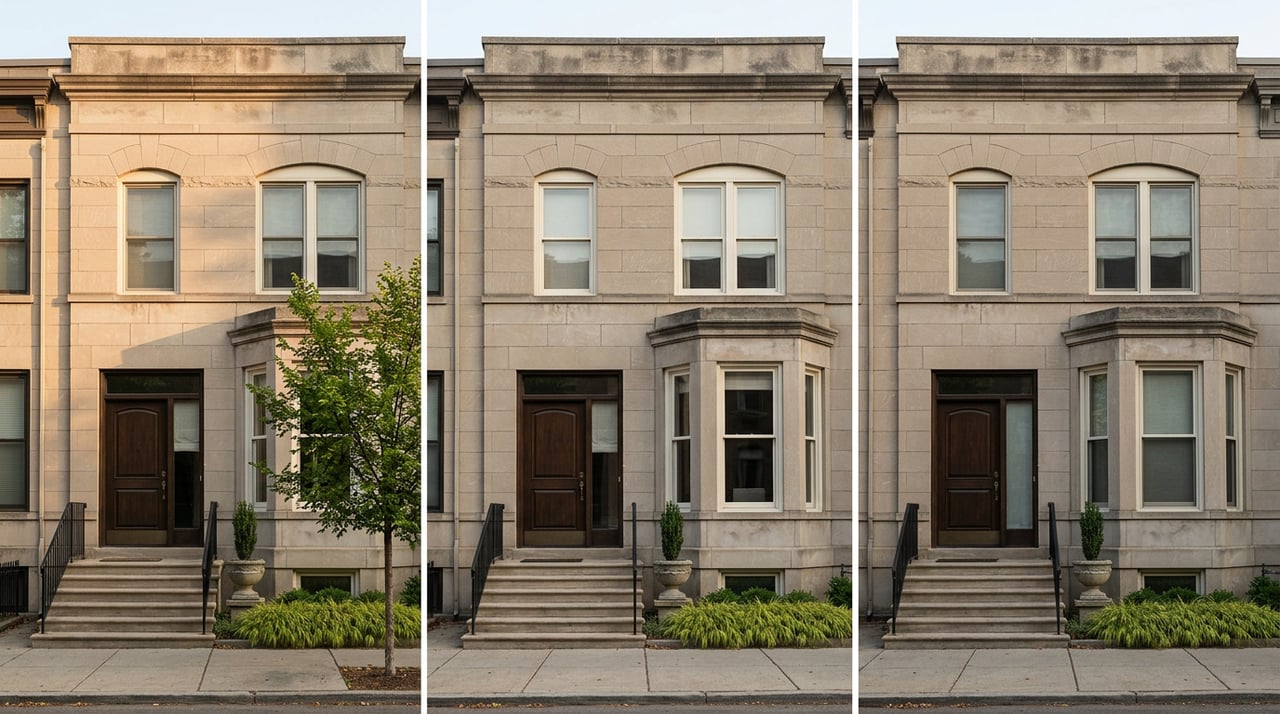
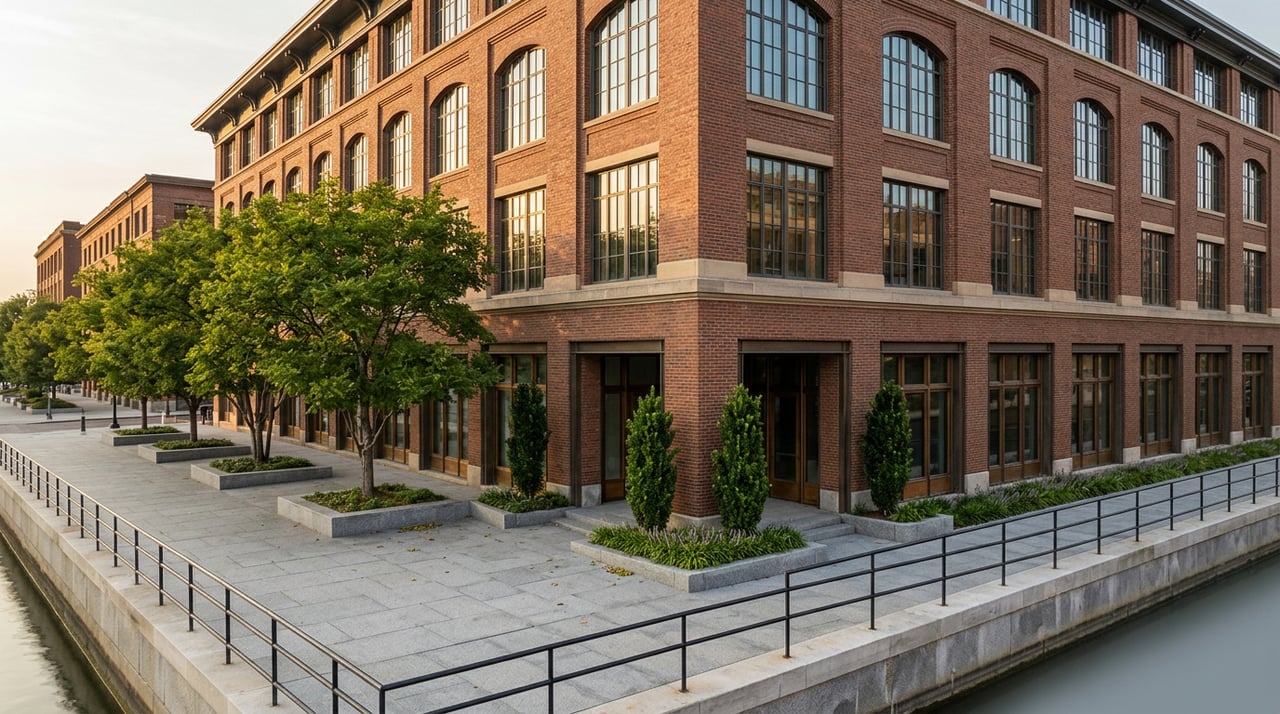
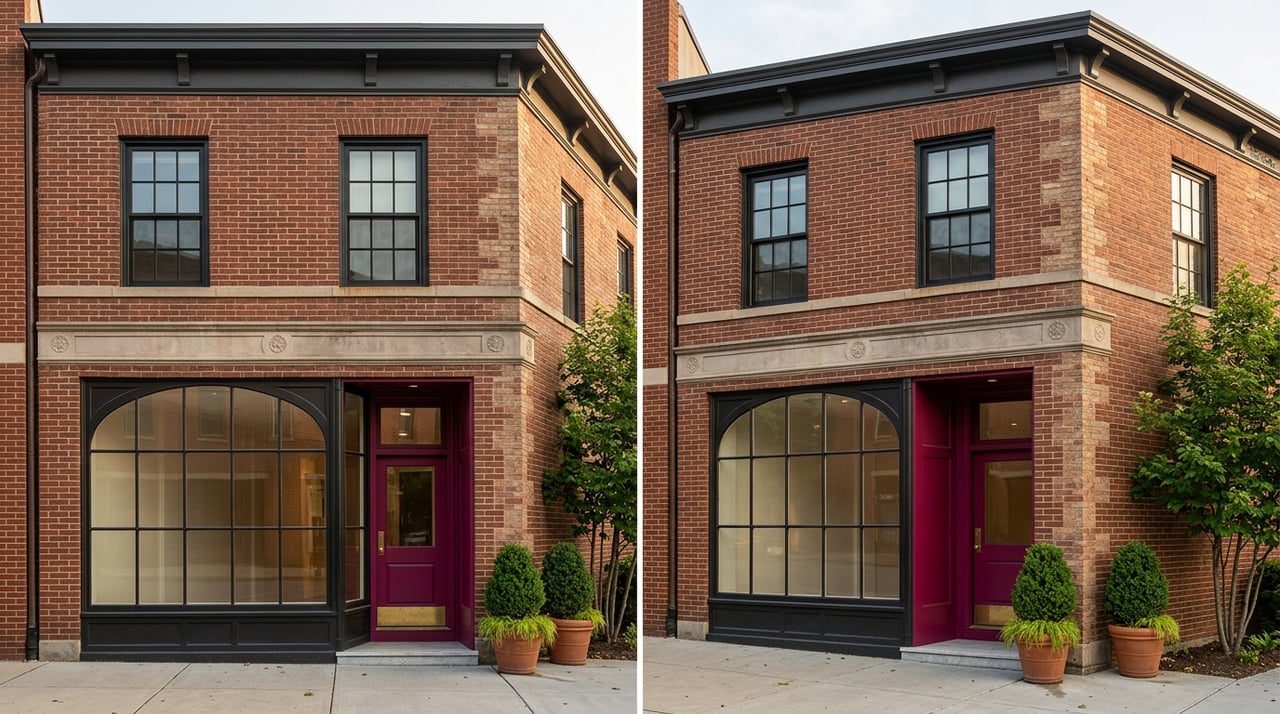
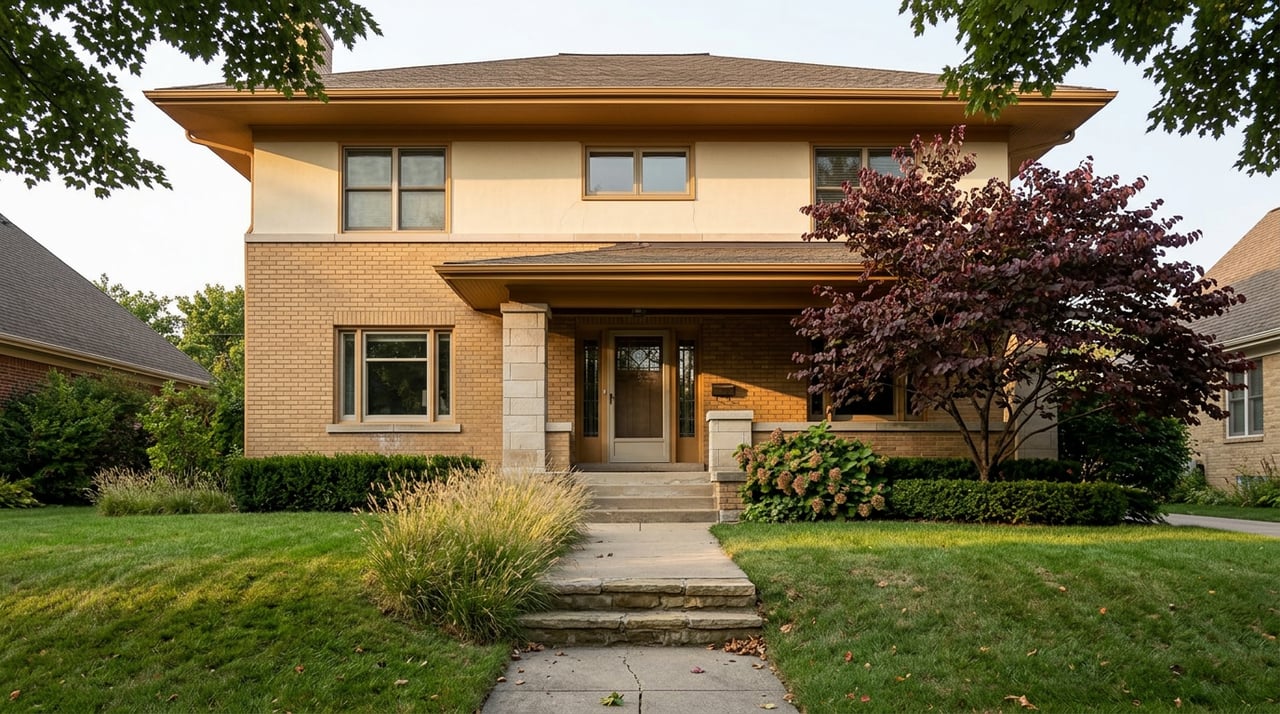
The line works because it's literal, not promotional. The district holds twelve Walter Burley Griffin designs and multiple Frank Lloyd Wright works, stacked next to Italianate, Queen Anne, and Renaissance Revival houses built across a range of architectural styles from the district's period of growth. Nobody had to build a museum to hold all that. The neighborhood already is one.
One resident's forty-year side project becomes the record
Maldre's book didn't appear because a publisher decided the anniversary needed one. It's the accumulation of a project that started when he and his wife bought a Griffin-designed house and he began photographing it, then the house next door, then everything else. Over four decades he's photographed more than 800 buildings across Beverly and Morgan Park, using a Deardorff view camera and, for years, a homemade darkroom before switching to digital work with his sons' help.
What makes the timing notable isn't that Belt Publishing picked 2026 on purpose, though the coincidence helped. It's that a single person's hobby, sustained across most of a career, turned out to be the only comprehensive visual record the neighborhood had when it needed one. The same photographs anchoring the Ridge Historical Society's current exhibit are the ones filling the book. There was no committee that commissioned this documentation. There was a neighbor with a camera and enough patience to keep at it for forty years.
What's actually on the calendar before the leaves turn
None of this is special anniversary programming built for 2026. It's the same rotation of events Beverly runs most years, still happening now, in the first week of August.
| Event | Timing | Location |
|---|---|---|
| 95th Street Farmers Market | Sundays, 8 a.m. to 1 p.m., through late October | 1835 W. 95th St. |
| Music Mondays | Mondays through August 31, 7 to 9 p.m. | Beverly Arts Center, 2407 W. 111th St. |
| Ridge Historical Society photo exhibit | Tuesdays and Sundays, 1 to 4 p.m., through year's end | 10621 S. Seeley Ave. |
| Beverly Art Walk | Returns in September | Venues across Beverly/Morgan Park |
The 95th Street Farmers Market's 2026 season is running with more than 30 vendors, live music, and a rotating community tent that's hosted groups from the Beverly Ridge Lions Club to the Chicago Public Library's Beverly branch. The Beverly Arts Center's Music Mondays series is now into its final weeks before the August 31 close, part of a summer concert lineup at the Arts Center that already included the FeelGood Party Band in June and the Mo' Soul Revue's "Summer of Soul Spectacular." Earlier in July, the Beverly Area Planning Association held its seventh annual Garden Walk, opening eight private gardens including a century-old family plot with peach trees and a coop nicknamed the Beverly Hill Birdies. None of that was built around the number 50. It's just what Beverly does every summer, and this year the calendar happens to overlap with an anniversary.
Why the overlap is the real story
Look at how many distinct organizations are running programming in a neighborhood this size at the same time. The Beverly Area Planning Association runs the Garden Walk and co-hosted the anniversary banner ceremony. The Ridge Historical Society runs the exhibit and holds the archive. The Beverly Arts Center runs the concert series and hosted the farmers market's June community partnerships. The 95th Street Beverly Hills Business Association runs the market itself. The Walter Burley Griffin Society of America, a national organization, has held its annual meeting here in past years, drawn by the cluster of Griffin houses on 104th Place that makes up the largest concentration of Prairie School homes in Chicago.
That's five separate organizations, each with its own calendar, each independently choosing to schedule something during the same summer stretch, without a central events office coordinating any of it. The Ridge Historic District itself contains three separate Chicago Landmark Districts nested inside the larger National Register boundary: the Longwood Drive Historic District, the Walter Burley Griffin Place Historic District, and the Beverly/Morgan Park Railroad Station District, which landmarked five Metra Rock Island stations built between 1889 and 1945 not because any one of them is architecturally singular, but because together they share the same scale and materials as the houses around them. Even the commute counts as historic here.
That density is the actual thesis. A 50th anniversary usually requires manufactured spectacle because most places don't have enough going on to fill a calendar without one. Beverly's civic infrastructure is thick enough that the anniversary just rides along on top of what already runs every year. Nobody had to invent a celebration. They had to decide not to skip the year.
The version worth remembering
If you live in Beverly, none of this requires planning around a single big day. You can walk into the Ridge Historical Society on any Tuesday or Sunday through December and see sixty-two buildings photographed the way they looked when the National Register nomination was written, next to a map of every one of them. You can pick up Maldre's book at Bookie's whenever the signing crowd has thinned. You can catch a Music Monday concert, hit the farmers market the next morning, and still make the Art Walk in September without anything on the calendar telling you it's an anniversary year.
That's the version of this neighborhood worth knowing: not a place performing its history for an occasion, but one where the history was already part of the weekly schedule, and 2026 just gave it a round number to hang on the wall.
If you're a longtime Beverly resident curious how a Prairie School pedigree or a spot inside the Longwood Drive district actually shows up in what a home is worth, that's a different conversation, and one Julie Latsko is glad to have whenever you're ready for it.